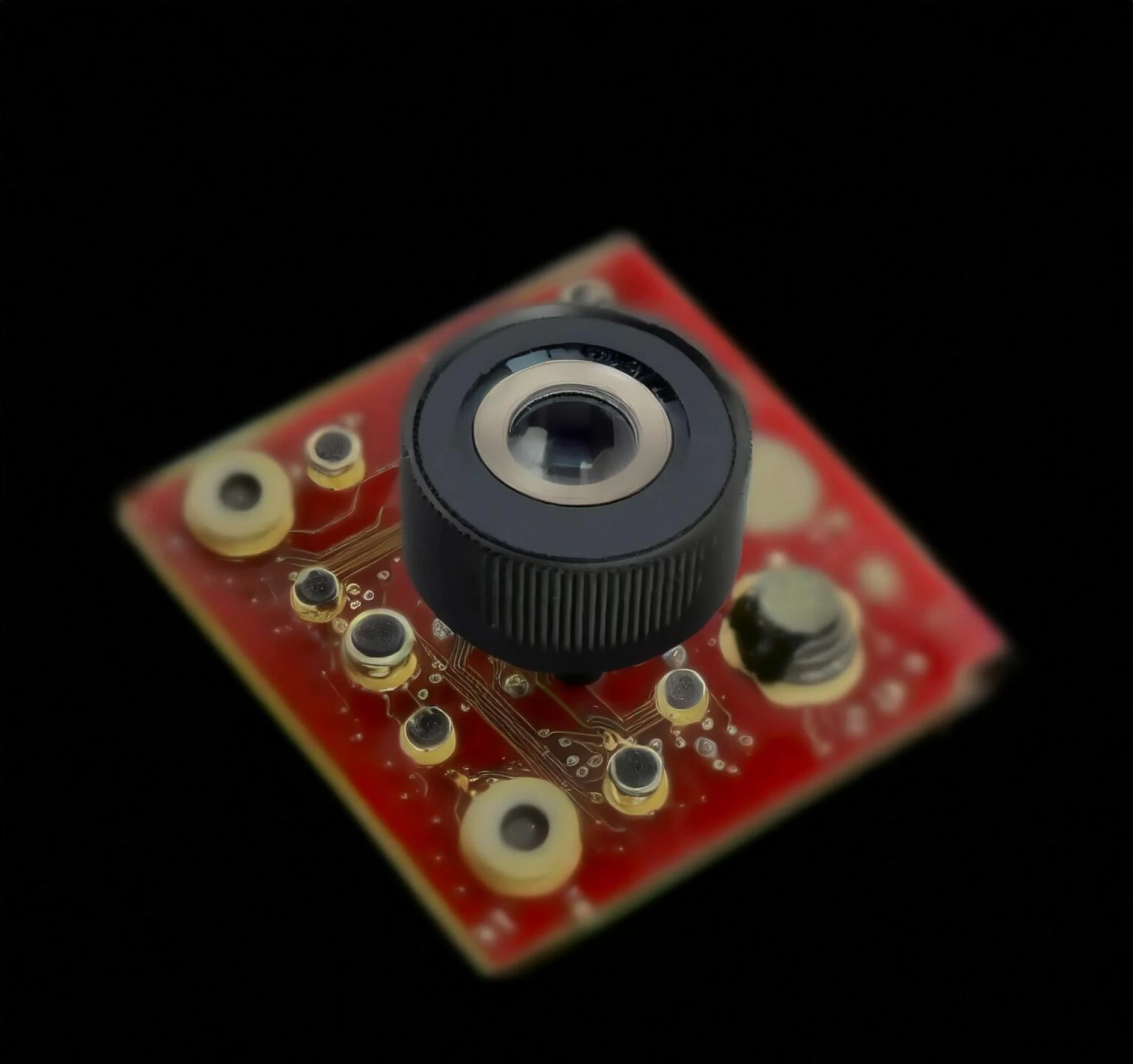

High Dynamic Range (HDR) cameras have become an essential tool for capturing detailed and vibrant images in various lighting conditions. Among the latest advancements in imaging technology, ultra-low light sensitivity HDR cameras with onboard dewarping features stand out for their ability to perform exceptionally in challenging environments. This article explores the unique features, benefits, and applications of these state-of-the-art cameras.
Understanding HDR Cameras
What is an HDR Camera?
HDR cameras are designed to capture a wide range of light intensities in a single image or video frame. They combine multiple exposures to ensure that both bright and dark areas are represented with clarity and detail. This makes them ideal for applications where lighting conditions vary significantly.
Key Features of HDR Cameras
- High Dynamic Range: Captures both shadows and highlights in a scene.
- Color Accuracy: Ensures true-to-life color representation.
- Enhanced Image Quality: Reduces noise and improves clarity in low-light environments.
Ultra-Low Light Sensitivity: A Game Changer
What is Ultra-Low Light Sensitivity?
Ultra-low light sensitivity enables cameras to capture high-quality images even in near-darkness. This feature is particularly crucial for applications like surveillance, where lighting conditions may be unpredictable.
Benefits of Ultra-Low Light Sensitivity
- Improved Visibility: Ensures clear images in environments with minimal lighting.
- Reduced Noise: Minimizes graininess, delivering sharper visuals.
- Energy Efficiency: Reduces the need for additional lighting infrastructure.
Onboard Dewarping: Simplifying Image Correction
What is Dewarping?
Dewarping is the process of correcting the distortion caused by wide-angle or fisheye lenses. It ensures that images and videos are geometrically accurate, providing a true representation of the scene.
Advantages of Onboard Dewarping
- Real-Time Processing: Corrects distortion instantly without requiring external software.
- Enhanced Accuracy: Provides undistorted images for better analysis.
- Cost-Effective: Eliminates the need for additional hardware or software solutions.
Features of Ultra-Low Light Sensitivity HDR Cameras with Onboard Dewarping
1. Clear HDR Technology
These cameras leverage advanced HDR algorithms to ensure exceptional image quality, even in complex lighting scenarios. The combination of HDR and ultra-low light sensitivity makes them suitable for diverse applications.
2. Auto Framing and Auto Focus
With intelligent auto-framing and auto-focus capabilities, these cameras ensure that the subject remains in focus and perfectly framed, regardless of movement or lighting changes.
3. Dual Endpoint Streaming
Dual endpoint streaming allows the camera to deliver two video streams simultaneously, optimized for different purposes. For instance, one stream may focus on high resolution, while the other emphasizes low latency.
4. Ultra-Low Light Sensitivity
These cameras excel in capturing crisp and detailed images in low-light conditions, making them ideal for surveillance, traffic monitoring, and industrial automation.
5. Onboard Dewarping
Onboard dewarping simplifies installation and reduces the need for external software, making the cameras highly versatile and user-friendly.
Applications of Ultra-Low Light Sensitivity HDR Cameras
1. Security and Surveillance
- Benefits: Capture clear images in low-light or no-light environments.
- Use Cases: Residential and commercial security systems, city surveillance.
2. Traffic and Transportation
- Benefits: Monitor roads and intersections during nighttime or adverse weather.
- Use Cases: Smart traffic management systems, toll booth monitoring.
3. Industrial Automation
- Benefits: Ensure precise monitoring and inspection in low-light industrial settings.
- Use Cases: Manufacturing lines, warehouse automation.
4. Medical Imaging
- Benefits: Provide high-resolution images for diagnostic purposes.
- Use Cases: Endoscopy, microscopy, and other medical applications.
Why Choose HDR Cameras with These Features?
Enhanced Versatility
The combination of HDR, ultra-low light sensitivity, and onboard dewarping makes these cameras versatile for a wide range of applications.
Cost and Time Efficiency
By integrating advanced features such as onboard dewarping and dual endpoint streaming, these cameras reduce the need for additional hardware or software, offering a more cost-effective solution.
Future-Ready Technology
With features like auto-framing and intelligent focus, these cameras are designed to meet the evolving demands of modern industries.
How to Choose the Right HDR Camera
Key Considerations
- Application Needs: Understand the specific requirements of your use case.
- Resolution and Frame Rate: Ensure the camera supports the desired resolution and frame rate.
- Integration Features: Look for features like auto-framing, dual endpoint streaming, and onboard dewarping.
- Environmental Suitability: Choose a camera that performs well in your target environment, including low-light conditions.
Top Questions to Ask
- Does the camera support HDR and ultra-low light sensitivity?
- Is onboard dewarping included?
- What are the connectivity options?
- Is the camera compatible with existing systems?
Conclusion
Ultra-low light sensitivity HDR cameras with onboard dewarping features represent the pinnacle of modern imaging technology. These cameras combine advanced capabilities like clear HDR, auto-framing, and dual endpoint streaming to deliver unparalleled performance across various industries. Whether for security, traffic management, industrial automation, or medical imaging, these versatile cameras are the ideal solution for capturing high-quality visuals in any lighting condition.
By choosing an HDR camera with these cutting-edge features, businesses can ensure superior image quality, operational efficiency, and a future-proof investment in imaging technology.

























Sign in to leave a comment.