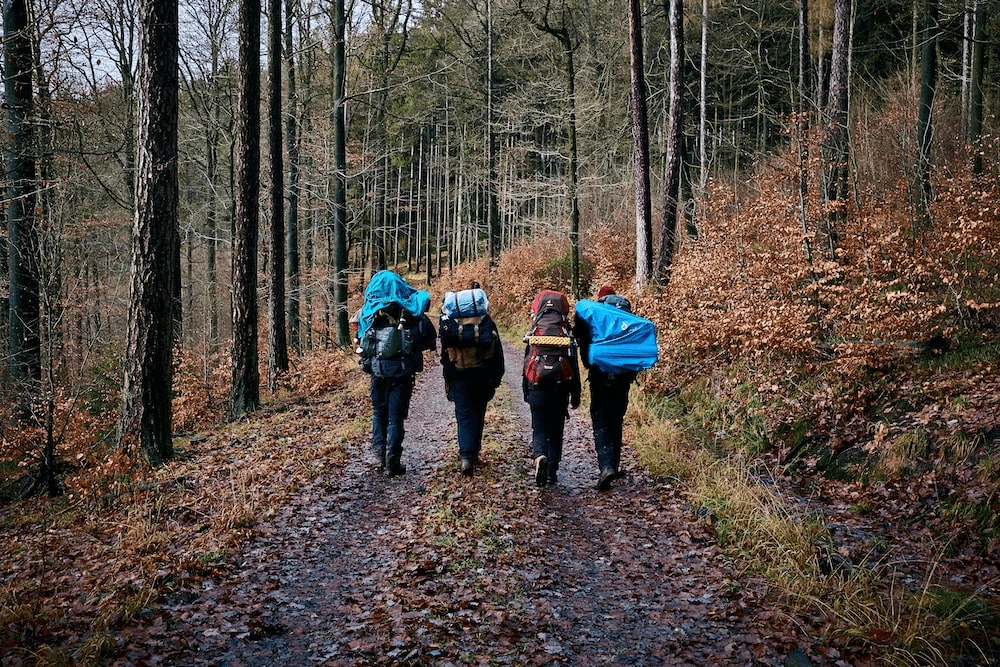

The world is your oyster, ready to be explored with the wind at your heels and a sense of burning determination in your heart! But what if you’re barely able to walk more than a few steps because your backpack is too heavy? A heavy pack can ruin the fun of any hiking or trekking trip; however, there are many ways that you can shed the weight without having to leave your essentials at home.
From repackaging items to investing in a lightweight backpack, here’s all you need to know:
Repackage personal care and food items
Let’s be honest; nobody needs an entire tube of toothpaste or sunscreen while on a weekend trip in the wilderness. Squirting the exact amount that you think you’ll need into a small container can work wonders for saving space and weight. You might even be able to use a smaller pack! The same can be said for food—even little things, such as packing some trail mix into a separate, resealable bag, can help you save space in your pack.
Get a different tent
You might already be using trekking poles while on your hike, so why not get a tent that can utilize these poles? Most tent pole sets weigh more than a pound, so if you can use the poles you’re already carrying in your hands, you can eliminate the extra weight. If you want to be even more minimalist, you can opt for a super-simple tarp setup.
Don’t pack all your clothes
Backpacking veterans are well aware that there’s no point worrying about their body odor when out in the wild. Odor is natural—you’ll have to get used to it. If you’re going on a shorter trip where you don’t need to wash your clothes and need another set to change into meanwhile, it’s best to skip carrying extra clothes altogether.
Ration your water
If you’re going to a place that has many streams or a reliable spring, try cutting down on the water that you’re going to be bringing along with you on the trip and get a purifier instead. with some research, you’ll be able to set your mind at ease with the knowledge that you can refill your water bottle between streams. If the trip is relatively short, try starting out super-hydrated to help you out.
Eat out of a pot
Cups and dishes can be nice to have on hand while camping, but if they’re only good for serving food, you might be better off eating your food straight from the pot. Leave the extra dishware for when you go car camping! The best part? You’ll only have one dish that will need to be washed.
Get a collapsible bottle
If you do decide to take along bottled water instead of using the reservoir system, it’s best to get a collapsible bottle that weighs next to nothing. For reference, the average 32-ounce plastic bottle weighs around 6.2 ounces, and if you pack around 3 liters of water, you’re adding multiple pounds on top of that.
No books allowed
If you love the sensation of not having an aching back, please keep your books at home. Don’t even get guidebooks. Try taking a picture of the pages that you believe might be relevant to your travels instead, and refer to them whenever you need to—it’s easy enough to zoom in on your screen, after all!
If you love to do some light reading while preparing for bed, get a Kindle instead of bringing along a heavy paperback. With the help of technology, you can carry an entire library with you wherever you go, and a Kindle’s battery can last for a long time, so you don’t need to worry about running out of reading material any time soon.
Cut the non-essentials
Do you really need to bring along three extra power banks for a weekend hiking trip? You’re probably venturing into nature to enjoy it and get a break from your electronics. Lay out your gear on a flat surface before you start packing, and try to see if you’re able to eliminate any unnecessary or duplicate items. After each trip, note down the items that you didn’t use, and if it’s a recurring thing, just cut it out.
Invest in lightweight backpacking gear
You can cut down on all the items that you want, but it won’t make as much of a difference as using the right backpack. At Light Hiking Gear, you can find the ultimate collection of camping gear, such as survival stoves, Aarn hiking backpacks, bear canister holders, and more.
Have more questions? Drop them a message.
About the Author
Selena V. has been hiking through the forests and mountains of the US for the past 15 years. She has tested various hiking and camping products and uses her experience to make sure that people who are new to hiking know what they’re doing. She often shops from Light Hiking Gear because of its high-quality products and affordable pricing.








Sign in to leave a comment.