
Have you ever picked up a product labeled as “sustainable” or “eco-friendly” and wondered if it really lives up to that promise? Many consumers today want to make environmentally conscious purchases, but deceptive marketing tactics—commonly known as greenwashing—make that difficult.
Studies show that 42% of green claims made by businesses are exaggerated, false, or misleading, leaving well-intentioned buyers unknowingly supporting unsustainable practices.
The rise of greenwashing is a major setback for real sustainability efforts. When brands falsely claim to be environmentally friendly, it not only misleads consumers but also undermines businesses that are genuinely committed to sustainability.
This article will break down how greenwashing works, how to spot it, and what to look for in truly eco-friendly products.
What is Greenwashing?
Greenwashing happens when companies market their products as sustainable without making any real effort to minimize environmental impact. Instead of investing in ethical sourcing, responsible manufacturing, or waste reduction, they rely on misleading packaging, vague buzzwords, and deceptive imagery to convince consumers they are making an eco-conscious choice.
Companies engaged in greenwashing often:
· Use vague terms like “natural” or “eco-friendly” with no verification.
· Highlight a single green feature while ignoring overall environmental impact.
· Display misleading packaging with green colors, leaves, or nature symbols to suggest sustainability.
· Lack third-party certifications that verify their claims.
· Use false recycling claims without proper infrastructure to support them.
Why is Greenwashing Harmful?
Greenwashing does more than just deceive consumers—it actively harms the movement toward real sustainability. Here’s how:
· It Misleads Consumers – Shoppers looking for sustainable products may unknowingly purchase items that contribute to pollution or deforestation.
· It Creates Market Confusion – When every brand claims to be “green,” it becomes difficult for consumers to distinguish truly sustainable options from those that are merely marketing-driven.
· It Slows Progress – Instead of investing in actual sustainability measures, some companies choose to rebrand existing products with misleading labels, delaying real change.
· It Undermines Trust – If consumers feel misled, they may lose faith in eco-conscious products altogether, making it harder for genuinely responsible brands to thrive.
How to Identify Truly Sustainable Products
Consumers can protect themselves from greenwashing by looking for verifiable proof of sustainability. Here are some key ways to separate real eco-friendly products from misleading ones:
1. Look for Certifications
Third-party certifications provide independent verification of a product’s environmental impact. Some of the most reliable ones include:
· FSC (Forest Stewardship Council): Ensures sustainable sourcing of wood-based materials.
· OEKO-TEX: Confirms textiles are free from harmful substances.
· Global Organic Textile Standard (GOTS): Guarantees organic and ethical textile production.
· Cradle to Cradle Certification: Assesses product life cycle sustainability.
2. Check Ingredient and Material Lists
A truly sustainable product will be transparent about what it’s made of. Avoid products with ingredients that are harmful to the environment, such as:
· Petroleum-based plastics
· Non-recyclable materials
· Synthetic chemicals that contribute to pollution
3. Research the Company’s Environmental Practices
Brands that are genuinely committed to sustainability often provide detailed information on their website about their materials, production methods, and environmental impact.
Look for:
· Clear breakdowns of sourcing and manufacturing processes.
· Commitment to reducing carbon footprint.
· Real initiatives that go beyond marketing claims.
4. Avoid Vague Language
Phrases like “eco-friendly,” “green,” or “natural” mean little without context. Instead, look for specifics like:
· “Made from 100% recycled materials.”
· “Compostable within 90 days in industrial composting.”
· “Manufactured with 50% less water consumption.”
5. Evaluate Packaging
Many products labeled “sustainable” come in excessive or non-recyclable packaging. Truly eco-conscious brands use minimal, recyclable, or biodegradable packaging.

6. Investigate Recycling and End-of-Life Options
A brand that genuinely cares about sustainability will offer clear guidance on how to dispose of their products responsibly.
Why This Matters for Everyday Purchases
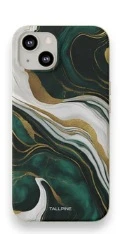
For those looking to buy phone cases online, the issue of greenwashing is particularly relevant. Many phone cases claim to be “eco-friendly” but are made from non-recyclable plastics or shipped in excessive packaging. Choosing a truly sustainable brand means checking materials, company commitments, and independent certifications.
Making Responsible Choices
If greenwashing has made you skeptical about sustainability claims, that’s understandable—but it doesn’t mean there aren’t genuine options out there. By doing a little research and looking for real proof of sustainability, consumers can support brands that make a real impact rather than just selling an image.
When looking for stylish iPhone 13 cases or a new case for any device, seeking out brands that prioritize ethical sourcing, recyclable materials, and responsible manufacturing ensures that purchases align with real sustainability goals.
Tallpine Cases is committed to genuine sustainability, offering high-quality, eco-friendly phone cases without the deceptive marketing tactics used by many competitors. Their materials and production methods reflect an honest commitment to minimizing environmental impact while delivering stylish, durable cases.
For those ready to make a purchase that aligns with their values, shop eco-friendly phone cases today from Tallpine Cases and make a choice that supports real sustainability.






























Sign in to leave a comment.