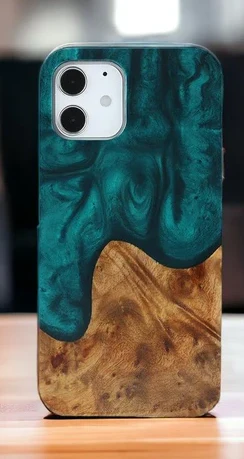

What if the case protecting a smartphone could also help protect the planet? Each year, millions of tons of plastic is discarded, contributing to the growing global waste problem.
Traditional phone cases, often made from petroleum-based plastics, can take hundreds of years to break down. As consumers become more conscious of their environmental footprint, the demand for sustainable alternatives continues to rise.
This shift is where Tallpine Cases steps in, offering thoughtful solutions designed to reduce waste without compromising durability or style.
This article discusses how renewable materials are shaping the future of phone protection, the benefits they offer, and why they are becoming a preferred choice for modern users.
The Environmental Cost of Conventional Phone Cases
Most conventional phone cases are made from non-renewable plastics such as polycarbonate or TPU. While these materials provide protection, they come with long-term environmental consequences.
Key concerns include:
- Slow decomposition: Traditional plastics can take centuries to degrade
- High carbon footprint: Production relies heavily on fossil fuels
- Limited recyclability: Many cases are not accepted in standard recycling streams
As a result, discarded cases often end up in landfills or oceans, contributing to pollution that affects ecosystems and wildlife.
What Makes Renewable Materials Different?
Renewable materials are sourced from natural resources that can replenish over time. Unlike fossil fuel-based plastics, these materials are designed with sustainability in mind from production to disposal.
Common renewable materials used in phone cases include:
- Bamboo: Fast-growing, durable, and naturally antimicrobial
- Plant-based bioplastics: Derived from corn starch, wheat straw, or sugarcane
- Natural fibers: Such as flax or wood pulp, offering strength and flexibility
These materials are increasingly used in renewable mobile phone cases, providing a balance between performance and environmental responsibility.
Strength and Durability Without Compromise
One common concern is whether sustainable materials can match the protection offered by traditional plastics. Advances in material engineering have addressed this issue effectively.
Renewable phone covers now offer:
- Shock absorption comparable to synthetic alternatives
- Scratch resistance for everyday use
- Long-lasting structure that maintains shape over time
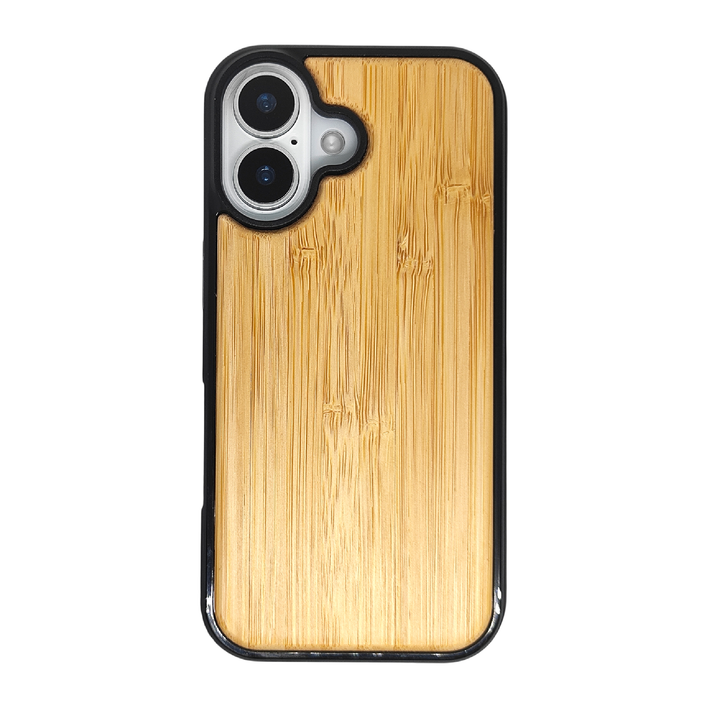
For instance, bamboo-based cases combine rigidity with lightweight properties, making them suitable for protecting devices like the Galaxy S25 sustainable phone case options currently entering the market.
Biodegradability and End-of-Life Benefits
A major advantage of renewable materials lies in their ability to break down more naturally at the end of their lifecycle.
Biodegradable mobile covers provide:
- Reduced landfill impact as they decompose faster
- Lower environmental toxicity compared to traditional plastics
- Compostable options under the right conditions
While not all renewable materials are fully compostable, many significantly reduce long-term waste compared to standard alternatives.
Aesthetic Appeal Meets Sustainability
Modern consumers are not only seeking sustainability but also visual appeal. Renewable materials offer a unique advantage in this area.
Design benefits include:
- Natural textures like wood grain and bamboo patterns
- Organic finishes that stand out from mass-produced plastic designs
- Minimalist appeal aligned with eco-conscious lifestyles
Nature-inspired phone protection is becoming increasingly popular, especially among users who value both functionality and design.
Compatibility With Modern Devices
As smartphone technology evolves, so do the expectations for accessories. Renewable cases are now designed to fit the latest models while maintaining performance standards.
Examples include:
- Options for newer releases such as iPhone 17 eco-friendly cases
- Precision cutouts for cameras, ports, and buttons
- Compatibility with wireless charging and other features
This ensures users do not have to sacrifice convenience when choosing sustainability.
Supporting a Circular Economy
Choosing renewable phone covers contributes to a broader shift toward a circular economy, where products are designed to minimize waste and maximize reuse.
This approach emphasizes:
- Responsible sourcing of raw materials
- Reduced reliance on non-renewable resources
- Improved waste management through composting or recycling
Consumers play a key role in this system by opting for products that align with these principles.
Is It Time to Rethink How Smartphones Are Protected?
Switching to sustainable alternatives is a practical step toward reducing environmental impact without giving up quality or style.
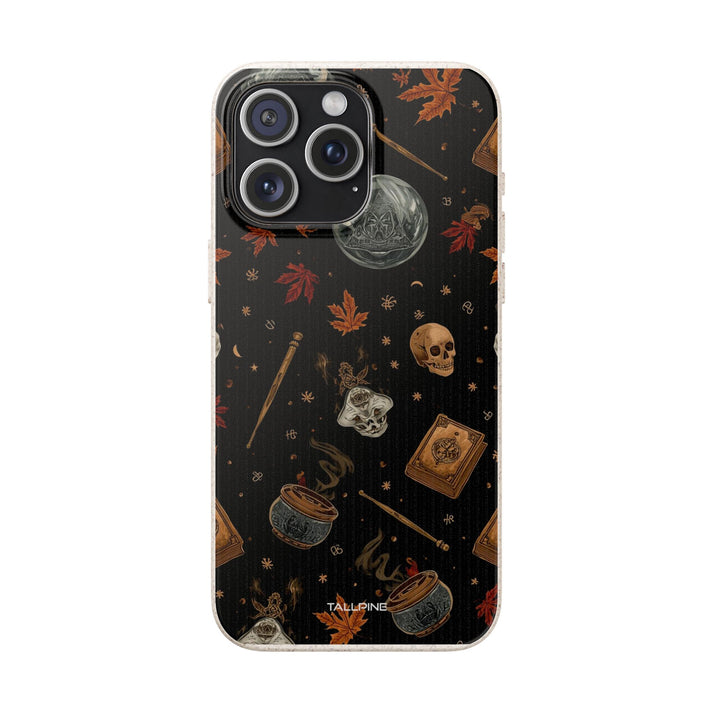
Tallpine Cases offers a range of thoughtfully designed options that combine renewable materials with reliable protection. Their products reflect a commitment to responsible manufacturing, modern design, and long-lasting performance.
Those looking for dependable and environmentally conscious phone protection can browse and order directly from Tallpine Cases to find solutions that align with both their device needs and environmental values.





























Sign in to leave a comment.