
The world generated 62 million tonnes of electronic waste in 2022, yet only 22.3% was formally recycled, according to the World Health Organization.
At the same time, millions of phone accessories are replaced every year due to wear, damage, or changing styles. Most traditional cases are made from virgin plastic materials that remain in landfills for decades.
For iPhone users, this creates a frustrating cycle. You want protection for an expensive device, but many cases contribute to the growing waste problem.
This is why eco-friendly iPhone phone cases are becoming a smarter option for people who want both performance and a lower environmental impact.
Start with the material source.
The first thing to check is what the case is actually made from.
Many eco-friendly phone cases use plant-based materials such as bamboo fiber, wheat straw, flax shive, or biopolymers. Others use recycled plastics recovered from post-consumer waste streams.
These materials help reduce dependence on petroleum-based plastic production.
Some compostable phone cases are designed to break down under industrial composting conditions after disposal. This gives the material a second stage instead of sitting in a landfill for decades.
When shopping, look for clear material information. If brands do not explain what the case contains, that is usually a bad sign.
Check durability before buying.
Sustainability means very little if the case breaks quickly.
A poorly made case creates more waste because users replace it sooner. Good environmentally friendly phone cases should still provide everyday protection against drops, scratches, and pocket wear.
Here are a few durability features worth checking:
- Raised screen edges for front protection
- Shock-absorbing inner layers
- Scratch-resistant outer surfaces
- Reinforced corners for drop impact
Many modern eco-friendly iPhone phone cases combine plant-based outer materials with flexible biodegradable TPU or recycled liners to improve protection.
This balance matters because iPhones are expensive devices. A weak case often leads to costly repairs.
Make sure the case fits your iPhone model correctly
Compatibility is often overlooked.
Some cheaper cases claim to fit multiple models but leave gaps around cameras, charging ports, or speakers. That affects usability and protection.
A good case should support:
- Exact camera cutout placement
- Wireless charging compatibility
- MagSafe functionality if needed
- Proper button alignment and responsiveness
Well-designed compostable phone cases now include MagSafe-compatible options for newer iPhones, which makes sustainable choices easier for Apple users.
Understand end-of-life disposal
This is one of the most important parts of buying environmentally friendly phone cases.
Not all “green” cases break down naturally at home. Some compostable phone cases require industrial composting facilities with controlled heat and moisture.
Others are recyclable through brand take-back programs.
Before purchasing, check:
- Is the case industrially compostable?
- Can it be recycled locally?
- Does the brand offer a return or recycling program?
- Are there plastic coatings that prevent decomposition?
Understanding disposal helps prevent greenwashing and keeps materials out of landfills longer.
Look beyond appearance
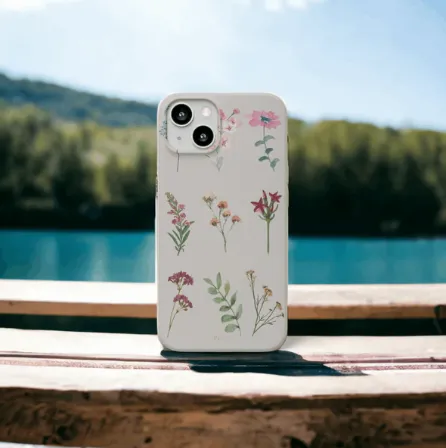
Many people buy phone cases based only on color or design. But material quality matters more in long-term use.
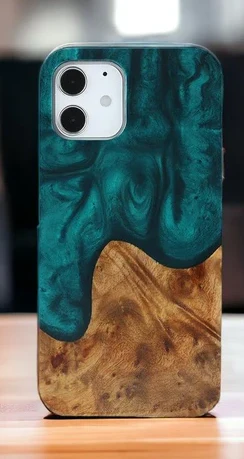
Natural textures like bamboo or wood grain improve grip and reduce slipping. Lightweight plant-based materials also make phones easier to carry daily.
Eco-friendly phone cases now come in slim, rugged, and minimalist designs without relying on heavy plastic construction.
This means users no longer need to choose between style and lower-impact materials.
Pay attention to packaging and production practices
The case itself is only part of the equation.
Some brands still use excessive plastic packaging even when selling compostable phone cases. Others manufacture products using high-emission processes.
Look for companies that use:
- Recyclable packaging
- Plastic-free shipping materials
- Lower-waste manufacturing methods
- Responsibly sourced plant materials
These details show a stronger commitment to sustainability beyond marketing claims.
Why better case choices matter
Phone accessories may seem small, but millions are sold every year. Small product decisions made repeatedly create large environmental effects over time.
Choosing eco-friendly iPhone phone cases helps reduce dependence on virgin plastics while supporting materials designed for reuse, recycling, or composting.
The goal is not perfection. It is making smarter everyday choices that create less waste over time.
Choose Smarter Protection with Tallpine Cases
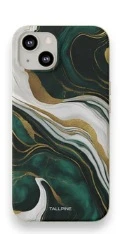
Tallpine Cases offers plant-based and biodegradable protection designed for modern iPhone users. Their range of eco-friendly iPhone phone cases combines durability, natural materials, and practical everyday function without relying heavily on petroleum plastics.
If you are looking for environmentally friendly phone cases that support better material choices without sacrificing protection, Tallpine Cases provides options built for daily use and lower environmental impact. Browse their collection now.


























Sign in to leave a comment.