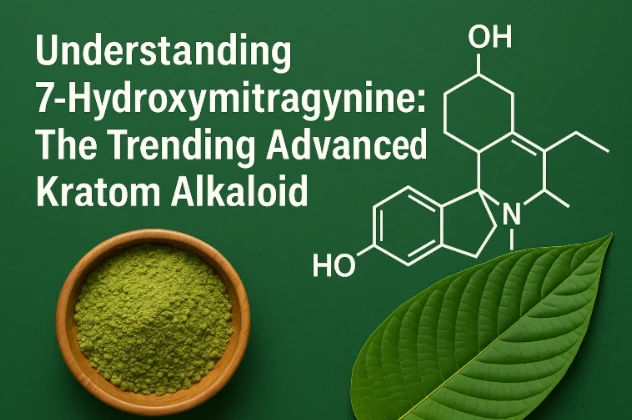

The world of botanical science is vast, with countless compounds waiting to be understood. Within the leaves of the Mitragyna speciosa tree, commonly known as kratom, researchers have identified dozens of active alkaloids. While mitragynine has long been the most discussed, another, far less abundant compound is capturing the attention of enthusiasts and scientists alike: 7-hydroxymitragynine.
This post will explore what 7-hydroxymitragynine is, delving into its botanical origins, chemical structure, and the reasons behind its rising popularity. We will focus on the scientific, cultural, and market trends driving interest in this unique alkaloid, providing a clear picture of its place within the broader kratom landscape.
What is 7-Hydroxymitragynine?
7-hydroxymitragynine, often abbreviated as 7-OH, is a naturally occurring alkaloid found in the leaves of the kratom tree. It is considered a minor or trace alkaloid, meaning it exists in much smaller quantities than the plant's primary alkaloid, mitragynine. In fact, studies suggest that 7-hydroxymitragynine typically constitutes less than 2% of the total alkaloid content in dried kratom leaves.
Despite its low concentration, 7-OH has a molecular structure that sets it apart. It is closely related to mitragynine and is actually an oxidized metabolite of it. This means that 7-hydroxymitragynine can be formed in the plant through natural processes or even after the leaves are harvested and begin to dry and cure. This transformation is a key area of interest for both researchers and producers.
The Botanical and Chemical Background
The kratom tree (Mitragyna speciosa) is native to Southeast Asia, where its leaves have been part of local traditions for centuries. The specific alkaloid profile of a kratom leaf can vary significantly based on several factors:
- Geographic Origin: Trees grown in different regions, such as Thailand, Malaysia, or Indonesia, exhibit different alkaloid balances.
- Vein Color: The popular classification of kratom by "vein color" (red, green, white) is often linked to the maturity of the leaf and the specific drying techniques used, which can influence the final alkaloid content.
- Harvesting and Curing: The post-harvest process is critical. Methods involving exposure to sunlight (UV radiation) and oxidation are thought to play a role in converting some of the primary mitragynine into 7-hydroxymitragynine.
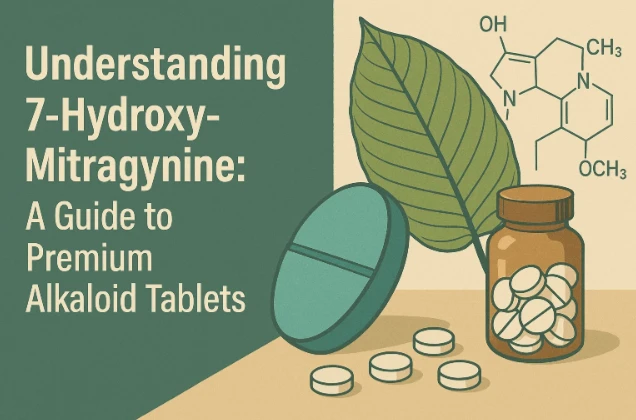
From a chemical standpoint, 7-hydroxymitragynine shares the same foundational indole alkaloid structure as mitragynine. The key difference, as its name implies, is the addition of a hydroxyl group at the 7-position of the molecule. This seemingly small structural modification is what gives 7-OH its distinct properties and makes it a subject of intense scientific curiosity.
Why is 7-Hydroxymitragynine Gaining Popularity?
The growing interest in 7-hydroxymitragynine is not accidental. Several factors related to science, consumer curiosity, and market dynamics are contributing to its trend status. It represents a deeper dive into the complexities of the kratom plant, moving beyond a surface-level understanding.
Advancements in Extraction and Isolation
For years, the low natural concentration of 7-OH made it difficult to study and even more difficult to offer as a distinct product. However, recent advancements in botanical extraction technology have changed the game. Sophisticated techniques now allow producers to isolate and concentrate specific alkaloids from the raw plant material.
This ability to isolate compounds means that 7-hydroxymitragynine can be studied more effectively on its own. It also allows for the creation of specialized kratom extracts with a higher-than-normal percentage of this specific alkaloid. This technological leap has been a primary driver in bringing 7-OH from a scientific footnote to a featured component.
A Shift Towards Niche and Specialized Products
The general consumer market, across many industries, has seen a significant shift toward specialized and artisanal products. Consumers are no longer satisfied with generic options; they seek unique experiences and a deeper understanding of what they are purchasing. This trend is clearly visible in the kratom community.
Enthusiasts are becoming more educated about the science behind kratom. They are curious about the different alkaloids and how each contributes to the overall profile of a particular strain or product. This sophisticated consumer base is actively seeking out information on minor alkaloids like 7-hydroxymitragynine, driving demand for more detailed product information and specialized offerings. The rise of 7-OH products is a direct response to this demand for more granular and targeted options.
The Role of Community and Online Discussion
The digital age has empowered communities to share information and experiences at an unprecedented rate. Online forums, social media groups, and educational blogs dedicated to kratom have become hubs of discussion. In these spaces, experienced users and curious newcomers alike discuss everything from vein colors and drying methods to the nuanced science of specific alkaloids.
As 7-hydroxymitragynine became more accessible through advanced extracts, conversations about it naturally grew. Personal anecdotes and shared knowledge within these communities have created a groundswell of interest. This peer-to-peer information exchange has been instrumental in elevating the profile of 7-OH from an obscure chemical compound to a trending topic of conversation. People are eager to understand what makes it different and why it is present in certain kratom varieties more than others.
The Scientific Pursuit of Understanding
Beyond the consumer market, the scientific community continues to explore the full spectrum of alkaloids within Mitragyna speciosa. 7-hydroxymitragynine's unique structure and its relationship to mitragynine make it a compelling subject for research. Scientists are working to understand its formation, its role within the plant, and its distinct chemical properties.
Every new study published on the subject adds to the public's knowledge base and further fuels interest. As research institutions dedicate more resources to understanding the complexities of kratom's alkaloids, 7-OH will likely remain a key focus. This academic validation lends credibility to the growing conversation and encourages a more informed and science-based approach to understanding the plant.
Read This Blog: What is 7-Hydroxymitragynine? Why Is This Advanced Kratom Alkaloid in Trend?
Conclusion: A New Frontier in Kratom Exploration
7-hydroxymitragynine represents a new chapter in the ongoing exploration of the kratom plant. Once a little-known trace compound, it has emerged as a focal point for researchers, producers, and a growing community of educated consumers. Its rise in popularity is a perfect storm of scientific advancement, market trends toward specialization, and the power of community-driven knowledge sharing.
As technology continues to improve and our understanding of botanical science deepens, the focus on individual alkaloids like 7-hydroxymitragynine is likely to grow. It signifies a move toward a more nuanced and detailed appreciation of the intricate chemistry that nature has to offer, pushing the conversation beyond the basics and into the fascinating specifics of the plant world.




























Sign in to leave a comment.