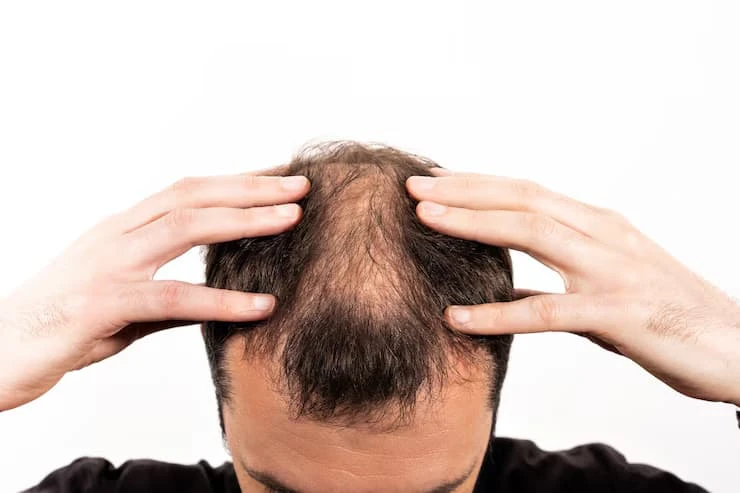

Hair loss can be a distressing experience for many individuals, impacting not only their appearance but also their emotional well-being. One of the most common forms of hair loss alopecia in Cheshire, a condition that affects millions worldwide. In Cheshire, awareness and understanding of alopecia and its implications are growing, leading to a demand for effective treatments and support. This article explores the types of alopecia, its causes, treatment options, and the importance of addressing hair loss in a holistic manner.
What is Alopecia?
Alopecia refers to a range of conditions characterized by hair loss, which can occur on the scalp or other areas of the body. The most recognized form is Alopecia Areata, an autoimmune disorder where the immune system mistakenly attacks hair follicles, leading to round patches of hair loss. Other forms of alopecia include androgenetic alopecia (commonly known as male or female pattern baldness), alopecia totalis (complete loss of scalp hair), and alopecia universalis (total loss of all body hair).
The impact of alopecia can vary significantly from person to person. While some may experience only mild thinning, others may face extensive hair loss. Regardless of the severity, the psychological effects can be profound, often leading to feelings of self-consciousness, anxiety, and depression.
Common Causes of Alopecia
Understanding the causes of alopecia is essential for effective management. Several factors can contribute to the development of this condition, including genetics, hormonal changes, and environmental triggers.
Genetics plays a crucial role, particularly in androgenetic alopecia, which is inherited and often begins in early adulthood. Hormonal changes, such as those occurring during pregnancy or menopause, can also influence hair loss patterns.
Additionally, autoimmune disorders, stress, and certain medical conditions, such as thyroid imbalances or iron deficiency, can trigger alopecia or exacerbate existing hair loss. It is essential for individuals experiencing hair loss to consult with a healthcare professional to identify potential underlying causes and receive appropriate treatment.
The Psychological Impact of Hair Loss
Alopecia is not just a physical condition; it has significant psychological implications as well. Individuals suffering from hair loss often report feelings of embarrassment, shame, and a loss of self-esteem. The visibility of hair loss can lead to social anxiety, making individuals withdraw from social situations or avoid public appearances altogether.
The stigma associated with hair loss can further compound these feelings. Many people equate hair with youthfulness and vitality, and losing it can make individuals feel older or less attractive. This emotional toll underscores the importance of addressing not only the physical aspects of alopecia but also the psychological support needed to help individuals cope with their condition.
Diagnosis of Alopecia
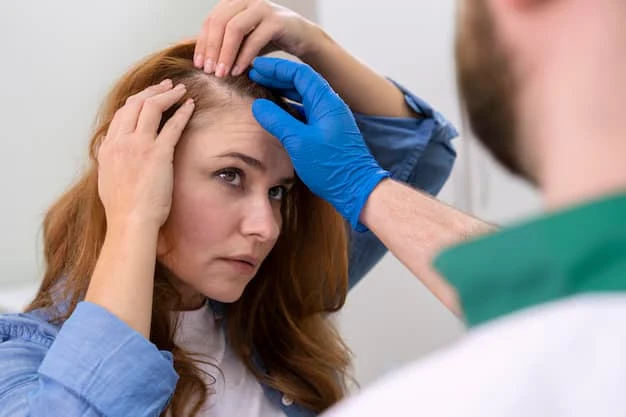
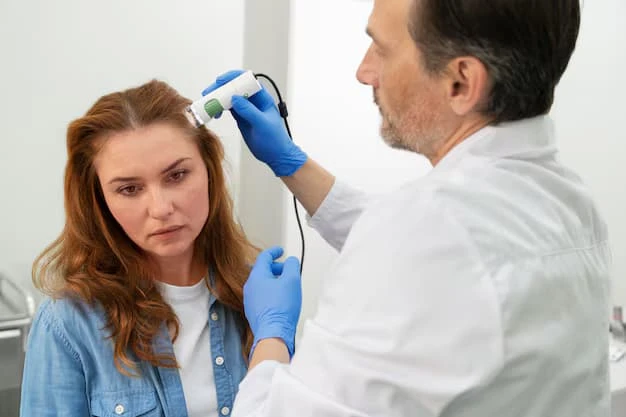
Diagnosing alopecia typically involves a thorough medical history and examination by a healthcare professional. Dermatologists may conduct a physical examination of the scalp and affected areas, looking for patterns of hair loss and signs of inflammation or infection.
In some cases, a scalp biopsy may be performed to analyze the hair follicles and determine the specific type of alopecia. Blood tests may also be conducted to check for underlying health issues, such as hormonal imbalances or nutritional deficiencies, that could be contributing to hair loss.
Treatment Options for Alopecia
Treatment for alopecia varies depending on the type and severity of the condition. For some individuals, hair regrowth may occur spontaneously without intervention. However, for those seeking treatment, several options are available:
Topical Treatments
Topical treatments, such as minoxidil, are commonly used for various types of alopecia. Minoxidil is an FDA-approved medication that promotes hair growth and can be applied directly to the scalp. While it is more effective for androgenetic alopecia, some individuals with alopecia areata may also benefit from its use.
Corticosteroid Injections
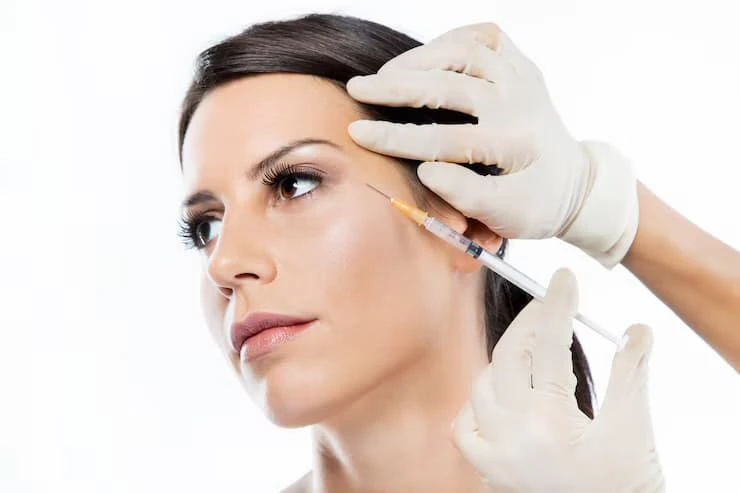
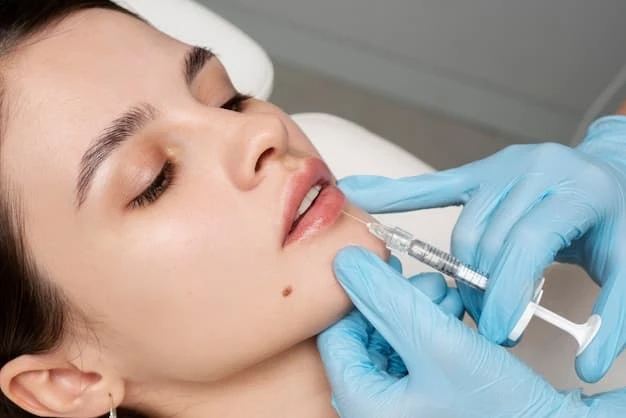
For patients with alopecia areata, corticosteroid injections may be recommended to reduce inflammation and suppress the immune response attacking the hair follicles. This treatment can stimulate hair regrowth in some cases, particularly when administered early in the course of the condition.
Oral Medications
In certain situations, oral medications such as corticosteroids or immunosuppressants may be prescribed to manage more severe cases of alopecia. These medications work by modulating the immune system's activity, helping to reduce hair loss and promote regrowth.
Hair Transplantation
For individuals with advanced hair loss, hair transplantation may be an option. This surgical procedure involves relocating hair follicles from a donor area (typically the scalp) to the balding areas. Hair transplantation can provide a permanent solution for those seeking to restore their hairline and improve their appearance.
Psychological Support
Given the psychological impact of hair loss, seeking support from mental health professionals can be beneficial. Counseling or support groups can provide individuals with coping strategies and help them navigate the emotional challenges associated with alopecia.
Lifestyle Modifications and Home Remedies
In addition to medical treatments, lifestyle modifications can play a crucial role in managing alopecia. Maintaining a balanced diet rich in vitamins and minerals is essential for overall hair health. Nutrients such as biotin, zinc, iron, and omega-3 fatty acids are known to support hair growth and strength.
Stress management techniques, such as mindfulness, yoga, or regular exercise, can also help mitigate hair loss. High stress levels can exacerbate alopecia, so finding effective ways to relax and unwind can be beneficial.
Home remedies, including essential oils and herbal supplements, are often explored by individuals seeking natural solutions for hair loss. While some may find relief using these methods, it is important to consult with a healthcare professional before trying new treatments to ensure safety and efficacy.
Community Support and Resources
For individuals experiencing alopecia in Cheshire, community support can be invaluable. Joining support groups or online forums can connect individuals with others who share similar experiences. These platforms provide a space to share stories, seek advice, and find comfort in knowing they are not alone in their journey.
Additionally, many organizations focus on raising awareness and providing resources for those affected by alopecia. These organizations often offer educational materials, events, and support networks to help individuals navigate their experiences with hair loss.
The Future of Alopecia Research
As awareness of alopecia continues to grow, so does the focus on research and innovation in treatment options. Scientists and healthcare professionals are actively exploring new therapies and interventions to improve outcomes for individuals with hair loss.
Recent advancements in regenerative medicine, such as stem cell therapy, hold promise for future treatments. Ongoing research into the genetic factors underlying alopecia and the development of targeted therapies may lead to more effective solutions.
Conclusion
In conclusion, hair loss due to alopecia is a complex condition that affects many individuals in Cheshire, impacting their physical appearance and emotional well-being. Understanding the types of alopecia, its causes, and the available treatment options is essential for those seeking to address their hair loss. With a combination of medical treatments, lifestyle modifications, and psychological support, individuals can take proactive steps toward managing their condition. For personalized guidance and comprehensive care, residents can turn to Este Medical Group Cheshire, where dedicated professionals are committed to helping individuals navigate their journey with alopecia effectively.

























Sign in to leave a comment.