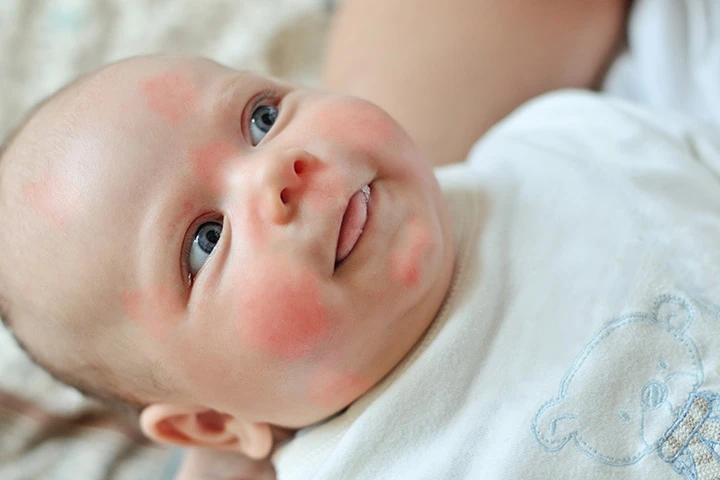

Introduction:
Becoming a parent is a joyous occasion, but it also comes with its set of challenges, especially when it comes to baby allergies. Understanding the intricacies of these allergies is crucial for providing a nurturing environment for your little one. Let's delve into the world of baby allergies, exploring causes, symptoms, and effective management strategies.
1. Introduction to Baby Allergies:
Baby allergies can manifest in various forms, from food allergies to skin sensitivities. Familiarizing yourself with common allergens and their potential effects is the first step in managing allergies in infants.
2. Common Allergens for Babies:
Identifying common allergens is essential. From dairy and eggs to certain fabrics and environmental factors, recognizing potential triggers can help you take preventive measures.
3. Signs and Symptoms of Baby Allergies:
Recognizing the signs of allergies is crucial for prompt intervention. Symptoms may include skin rashes, digestive issues, respiratory problems, and behavioral changes. Keeping a watchful eye on your baby's reactions can aid in early detection.
4. Allergies and Baby Toiletries:
Examining the connection between baby toiletries and allergies is essential. Does baby shampoo or soap expire? How can expired products impact your baby's skin? Addressing these questions ensures that you make informed choices when selecting toiletries.
Does Baby Shampoo or Soap Expire?
Understanding the expiration of baby toiletries is vital. Expired products may lose their effectiveness and could potentially cause skin irritations. Always check the expiration dates and store toiletries in a cool, dry place.
5. Creating an Allergy-Friendly Home:
Transforming your home into an allergy-friendly space involves making strategic changes. From selecting hypoallergenic fabrics to adopting allergen-free cleaning practices, these adjustments contribute to a healthier environment.
6. Introducing Solid Foods:
Navigating the introduction of solid foods can be a delicate process, especially if your baby has shown signs of food allergies. Gradual introductions and monitoring for reactions can help you identify and manage potential allergens.
7. Consulting with a Pediatrician:
In cases of uncertainty or persistent symptoms, seeking advice from a pediatrician is crucial. Pediatricians can conduct tests, provide allergy management plans, and offer valuable guidance on navigating allergies.
8. Effective Allergy Management Strategies:
Managing baby allergies involves a combination of prevention and intervention. From adjusting the diet to incorporating allergy-friendly products, these strategies contribute to a holistic approach to allergy management.
9. Emotional Support for Parents:
Dealing with baby allergies can be emotionally taxing for parents. Establishing a support system, connecting with other parents facing similar challenges, and seeking professional guidance contribute to a healthier mindset.
10. Conclusion:
Understanding baby allergies empowers parents to create a safe and supportive environment for their little ones. By staying informed, proactive, and seeking professional advice when needed, you can navigate the complexities of baby allergies with confidence.
Addressing the question of "Does baby shampoo or soap expire?" within the context of baby allergies adds a practical dimension to your overall approach to baby care. By combining knowledge with practical strategies, you can foster a happy and healthy environment for your little bundle of joy.






















Sign in to leave a comment.