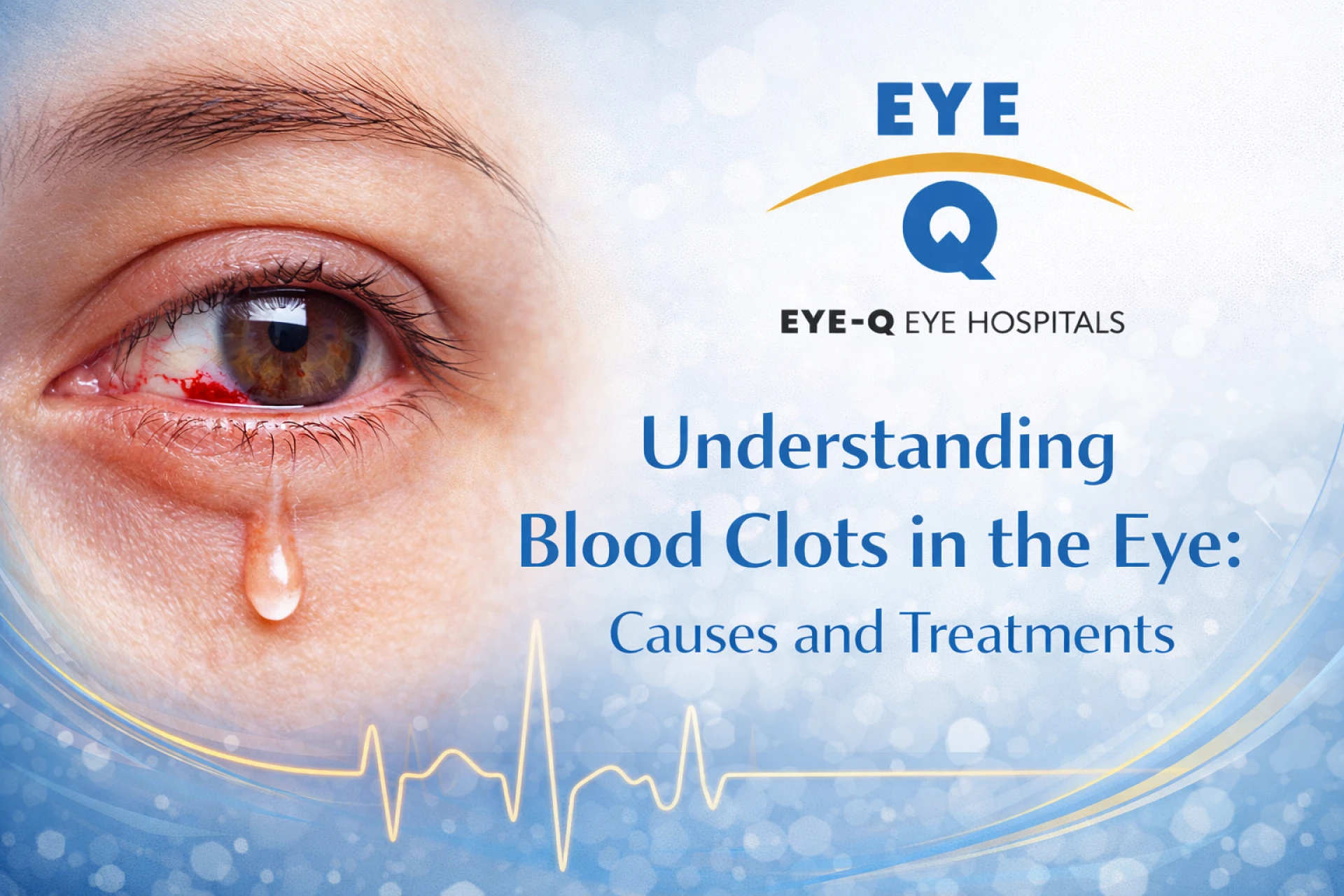

Anatomy of the Eye and Blood Supply
To understand blood clot in the eye, it’s essential first to appreciate the intricate anatomy of the eye and its blood supply. The eye is an incredibly complex organ composed of several key structures including the cornea, lens, retina, and optic nerve. The retina, located at the back of the eye, is crucial for vision as it converts light into neural signals that the brain interprets as images. This process is highly dependent on a continuous and adequate blood supply.
The eye's blood supply is extensive and includes the central retinal artery, which enters the eye through the optic nerve. It branches into smaller arteries to nourish the inner retina. The choroid, a dense layer of blood vessels, supplies blood to the outer retina. Proper circulation in these vessels is vital for maintaining the health and function of the eye. Any disruption in this intricate system can lead to serious complications.
Blood clots, or ocular vascular occlusions, can obstruct these blood vessels, compromising the blood flow to critical areas of the eye. When these vessels become blocked, tissues can be deprived of oxygen and nutrients, leading to cell damage or death, potentially causing vision loss. Understanding the anatomy and blood supply of the eye is the first step in recognizing how blood clots can adversely affect ocular health.
Common Causes of Blood Clots in the Eye
Blood clots in the eye can occur due to various underlying conditions. One of the most common causes is retinal vein occlusion (RVO), which happens when a blood clot blocks one of the veins carrying blood away from the retina. RVO is often associated with systemic conditions such as hypertension, diabetes, and hyperlipidemia, which can damage blood vessels and increase the risk of clot formation.
Another significant cause is central retinal artery occlusion (CRAO), where a clot blocks the central retinal artery, leading to a sudden and severe loss of vision. CRAO is typically linked to cardiovascular diseases, including atherosclerosis and carotid artery disease, where plaques or clots from these larger arteries can dislodge and travel to the smaller retinal arteries. This condition requires immediate medical attention to prevent permanent vision loss.
Other less common causes include inflammatory conditions such as vasculitis, which can lead to vessel inflammation and clot formation, and blood disorders like thrombophilia, where the blood has an increased tendency to clot. Additionally, traumatic injuries to the eye can damage blood vessels, leading to clot formation. Understanding these causes can help in identifying individuals at risk and implementing preventive measures.
Symptoms of Blood Clots in the Eye
Recognizing the symptoms of blood clots in the eye is crucial for timely intervention. One of the hallmark symptoms is sudden, painless vision loss, which can be partial or complete, depending on the location and severity of the clot. In cases of central retinal artery occlusion, the vision loss is typically profound and affects the entire field of vision. Conversely, retinal vein occlusion may cause more gradual vision loss and can present with blurred vision, floaters, or dark spots.
Another common symptom is the presence of floaters, which are small, dark, shadowy shapes that seem to drift across the visual field. These floaters are caused by small clots or debris in the vitreous humor, the gel-like substance filling the eye. While floaters can be benign and related to aging, a sudden increase in number or size can indicate a more serious underlying condition like a blood clot.
Other symptoms may include eye pain, redness, or swelling, although these are less common. It’s important to note that the symptoms can vary significantly depending on the underlying cause and the specific blood vessels involved. Prompt recognition and action can make a significant difference in outcomes, underscoring the importance of being vigilant about changes in vision.
Risk Factors Associated with Eye Blood Clots
Several risk factors can increase the likelihood of developing blood clots in the eye. Age is a significant factor, as the risk of retinal vascular occlusions increases with advancing age. This is partly due to age-related changes in the blood vessels, such as atherosclerosis, which can lead to narrowing and increased clot formation.
Systemic health conditions also play a critical role. Hypertension, diabetes, and hyperlipidemia are major contributors to the development of blood clots in the eye. These conditions can damage the blood vessel walls, making them more susceptible to clot formation. Additionally, cardiovascular diseases such as coronary artery disease and carotid artery disease can increase the risk of retinal artery occlusions due to emboli traveling from larger arteries to the smaller retinal vessels.
Lifestyle factors, including smoking and a sedentary lifestyle, are also important. Smoking can damage blood vessels and increase the propensity for clot formation, while lack of physical activity can contribute to obesity and poor cardiovascular health, further elevating the risk. Understanding these risk factors is essential for identifying individuals at higher risk and implementing strategies to mitigate these risks.
Diagnosis: How Eye Blood Clots are Detected
Accurate diagnosis of blood clots in the eye is essential for effective treatment. The diagnostic process typically begins with a comprehensive eye examination by an ophthalmologist. During this exam, the doctor will assess visual acuity, check for any abnormalities in the eye structure, and look for signs of reduced blood flow or hemorrhage in the retina.
One of the key diagnostic tools is ophthalmoscopy, where the doctor uses a special instrument to examine the retina and optic nerve. This can help identify blockages in the blood vessels, as well as any retinal swelling or hemorrhages. Fluorescein angiography is another important test, where a fluorescent dye is injected into the bloodstream, and photographs are taken as the dye travels through the retinal blood vessels. This allows for detailed visualization of blood flow and identification of any blockages.
Optical coherence tomography (OCT) is a non-invasive imaging test that provides cross-sectional images of the retina. It can detect retinal swelling, fluid accumulation, and other structural changes associated with blood clots. In some cases, additional tests such as blood work and imaging studies of the carotid arteries or heart may be necessary to identify underlying systemic conditions contributing to the clot. Accurate diagnosis is crucial for determining the appropriate treatment and improving outcomes.
Treatment Options for Blood Clots in the Eye
Treatment for blood clots in the eye aims to restore blood flow, reduce swelling, and prevent further damage. The specific treatment approach depends on the type and severity of the clot, as well as any underlying conditions. In cases of central retinal artery occlusion, time is of the essence, and immediate measures such as ocular massage, breathing into a paper bag to increase carbon dioxide levels, and medication to lower intraocular pressure may be attempted to dislodge the clot.
For retinal vein occlusion, treatment options include anti-VEGF (vascular endothelial growth factor) injections, which help reduce retinal swelling and improve vision. These injections are typically administered directly into the eye and may need to be repeated over several months. Corticosteroid injections are another option, especially for reducing inflammation and swelling in the retina.
Laser therapy may be used in some cases to create small burns in the retina, helping to reduce abnormal blood vessel growth and prevent further bleeding. Additionally, addressing any underlying systemic conditions is crucial. This may involve managing hypertension, diabetes, or high cholesterol through medication, lifestyle changes, and regular monitoring. Each treatment plan should be individualized, considering the specific needs and circumstances of the patient.
Preventive Measures to Reduce Risk of Blood Clots
Prevention is key to reducing the risk of blood clots in the eye and maintaining overall eye health. One of the most effective preventive measures is managing systemic health conditions that contribute to clot formation. This includes maintaining optimal blood pressure, blood sugar, and cholesterol levels through a combination of medication, diet, and regular exercise.
Adopting a healthy lifestyle is also important. Quitting smoking can significantly reduce the risk of blood clots, as smoking damages blood vessels and promotes clot formation. Regular physical activity helps improve cardiovascular health and circulation, reducing the likelihood of clot development. A diet rich in fruits, vegetables, whole grains, and lean proteins can support vascular health and reduce inflammation.
Regular eye exams are crucial for early detection and management of any potential issues. For individuals with known risk factors, more frequent monitoring may be necessary. Managing stress through relaxation techniques, adequate sleep, and mindfulness practices can also contribute to overall health and reduce the risk of clot formation. By taking proactive steps, individuals can significantly lower their risk of developing blood clots in the eye and maintain good vision.
When to Seek Medical Attention
Knowing when to seek medical attention is vital for preventing serious complications from blood clots in the eye. Any sudden changes in vision, such as a sudden loss of vision, the appearance of floaters, or significant blurring, should prompt immediate medical evaluation. These symptoms can indicate a serious underlying condition that requires prompt treatment to prevent permanent vision loss.
If you experience eye pain, redness, or swelling, it’s also important to seek medical attention. While these symptoms are less common in blood clots, they can indicate other serious eye conditions that need to be addressed. For individuals with known risk factors, such as hypertension, diabetes, or cardiovascular disease, regular eye exams are essential for early detection and management of potential issues.
In cases of central retinal artery occlusion, time is critical, and immediate intervention can make a significant difference in outcomes. If you suspect you have a blood clot in the eye, don’t hesitate to seek medical attention. Early diagnosis and treatment can help preserve vision and prevent further complications. Being proactive about eye health can lead to better outcomes and a higher quality of life.
Conclusion and Key Takeaways
Blood clots in the eye, or ocular vascular occlusions, are serious conditions that can lead to significant vision loss if not promptly addressed. Understanding the anatomy of the eye and its blood supply is essential for recognizing how clots can disrupt normal function. Common causes include retinal vein occlusion and central retinal artery occlusion, often associated with systemic conditions like hypertension, diabetes, and cardiovascular diseases.
Recognizing the symptoms, such as sudden vision loss, floaters, and blurred vision, is crucial for seeking timely medical attention. Diagnosis involves comprehensive eye examinations and specialized imaging tests to identify the location and severity of the clot. Treatment options vary depending on the type of clot and may include medications, injections, laser therapy, and managing underlying conditions.
Preventive measures, including maintaining optimal systemic health, adopting a healthy lifestyle, and regular eye exams, are key to reducing the risk of blood clots in the eye. Knowing when to seek medical attention can prevent serious complications and preserve vision. By understanding the causes, symptoms, and treatments of blood clots in the eye, individuals can take proactive steps to protect their vision and overall eye health.
Visit Our Locations :-
- Eye-Q hospital in Vision Plus
- Eye-Q hospital in Bharuch
- Eye-Q hospital in Surat Udhna
- Eye-Q hospital in Surat Rander Road
- Eye-Q hospital in Surat Parle Point
- Eye-Q hospital in Vadodara
- Eye-Q hospital in Bhiwani
- Eye-Q hospital in Gurgaon Sector-90
- Eye-Q hospital in Fatehabad
- Eye-Q hospital in Gurgaon New Railway Road
- Eye-Q hospital in Gurgaon Sector-27
- Eye-Q hospital in Gurgaon Sector-46
- Eye-Q hospital in Hisar Barwala Road
- Eye-Q hospital in Hisar Jindal Chowk
- Eye-Q hospital in Jhajjar
- Eye-Q hospital in Rewari
- Eye-Q hospital in Rohtak
- Eye-Q hospital in Sirsa
- Eye-Q hospital in Sonipat
- Eye-Q hospital in Yamunanagar
























Sign in to leave a comment.