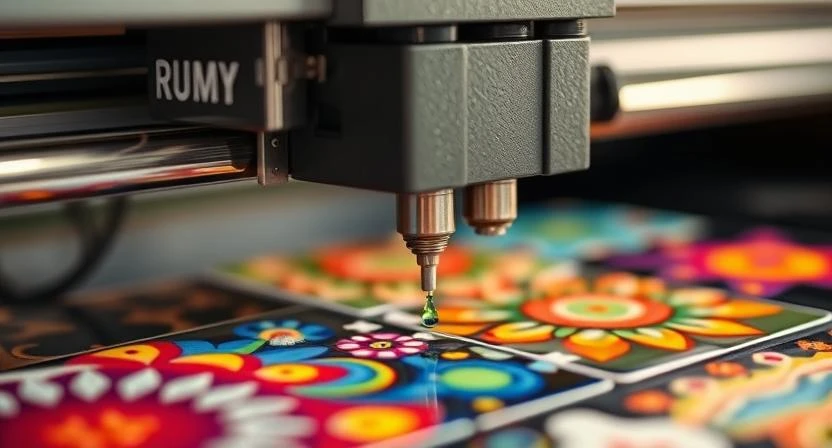

Ceramic printing is an innovative process that allows images, patterns, and designs to be applied directly onto ceramic surfaces. This technology is transforming industries by enabling customization, vibrant color reproduction, and long-lasting durability. From home decor to commercial branding, ceramic printing offers a versatile solution that combines artistry with modern digital techniques.
In this article, we will explore the basics of ceramic printing, how it works, its advantages, and the wide range of applications where it makes a significant impact.
What Is Ceramic Printing?
Ceramic printing is a method of transferring digital images or patterns onto ceramic materials such as tiles, plates, mugs, and panels. Unlike traditional methods that require manual painting or decal application, ceramic printing uses digital printers equipped with specialized inks to reproduce detailed and colorful designs efficiently.
The process often involves firing or curing the ceramic surface after printing to ensure the design bonds permanently and remains vibrant over time.
How Does Ceramic Printing Work?
Ceramic printing typically starts with a digital design created or prepared on a computer. This design is then printed onto the ceramic surface using inkjet or UV printing technology. The inks used are specially formulated to adhere to ceramics and withstand firing temperatures or UV curing.
After printing, the ceramic item undergoes firing in a kiln or curing with UV light. This step ensures the inks fuse with the ceramic glaze, creating a durable and scratch-resistant finish.
Benefits of Ceramic Printing
High-Quality and Detailed Designs
Digital ceramic printing allows for sharp, intricate designs with a wide range of colors and gradients. This level of detail is difficult to achieve with traditional decoration methods.
Customization and Flexibility
Since the process is digital, it supports easy customization. Whether it’s a personalized mug, a batch of custom tiles, or branded ceramic merchandise, ceramic printing can accommodate unique or small production runs.
Durability
The firing or curing process ensures that printed ceramics are resistant to scratches, moisture, fading, and chemicals. This makes ceramic printing ideal for both decorative and functional uses.
Eco-Friendly Process
Ceramic printing minimizes waste by using only the required amount of ink and materials. It also reduces energy consumption compared to some traditional methods, aligning with sustainable production goals.
Applications of Ceramic Printing
Ceramic printing is widely used across various sectors:
- Home Decor: Custom tiles, backsplashes, and decorative panels.
- Hospitality: Branded mugs, plates, and decorative surfaces in hotels and restaurants.
- Retail: Promotional ceramic products and customized packaging.
- Art and Design: Limited-edition ceramic artworks and installations.
- Architecture: Large-format printed ceramic panels for walls and facades.
Choosing the Right Ceramic Printing Provider
For the best results, it is important to work with a reliable ceramic printing company that uses advanced technology and quality materials. Providers should offer design support, sample proofs, and ensure consistent color and durability.
Future Trends in Ceramic Printing
Advancements in printing technologies, including 3D printing and smart ceramics, are expanding the possibilities for ceramic printing. These innovations will lead to more interactive, textured, and multifunctional ceramic products.
Conclusion
Ceramic printing is a versatile and efficient method for applying vibrant, durable designs onto ceramic surfaces. Its ability to combine customization, high-quality imagery, and environmental benefits makes it a valuable tool across many industries. Whether for personal use, business branding, or artistic expression, ceramic printing opens up new creative opportunities with lasting impact.





























Sign in to leave a comment.