

Most people only think about their Charter rights when something has already gone wrong. An arrest. A search. A knock at the door that feels off. In criminal and national security investigations, those moments matter more than most realize. The Canadian Charter of Rights and Freedoms exists to protect everyday people from overreach, not just in theory, but in real encounters with police and state authorities.
Understanding how Charter rights work and how violations happen with the help of an Arabic lawyer can change the outcome of a case. It can also shape how courts respond when the rules are crossed.
What the Charter Is Really About
The Charter sets limits on what the state can do when investigating crime or national security concerns. Police and government agencies have serious powers, but those powers are not unlimited. The Charter balances public safety with individual freedom.
Key protections include the right to be free from unreasonable search and seizure, the right to remain silent, the right to legal counsel, and the right not to be arbitrarily detained. These rights apply whether the investigation involves a minor criminal charge or a complex national security file.
A criminal defence lawyer looks closely at how these rights were respected from the first interaction onward. Small missteps can have major legal consequences.
Unlawful Searches and Seizures
Searches are one of the most common sources of Charter violations. Police often need a warrant, and even when they have one, they must follow strict rules. A search that goes beyond what the warrant allows can violate the Charter.
Unlawful searches can include entering a home without proper authorization, searching a phone without consent or a warrant, or extending a traffic stop just to look for evidence. In national security cases, the lines can feel blurrier, but the Charter still applies.
When evidence is obtained through an unlawful search, courts must decide whether allowing that evidence would bring the justice system into disrepute. This is where strong legal advocacy matters. An experienced criminal defence lawyer knows how to challenge the legality of the search and push for excluded evidence.
Detention, Arrest, and the Right to Counsel
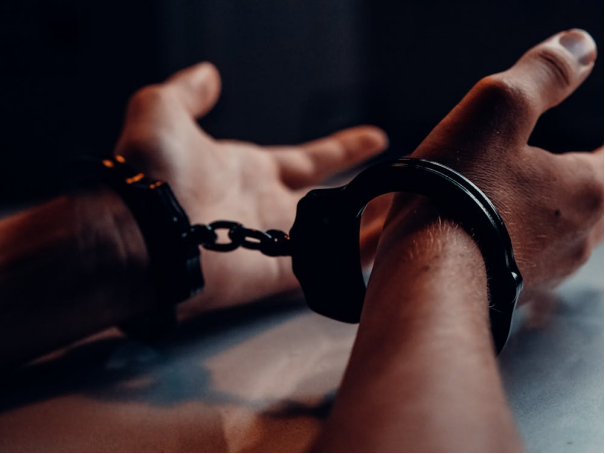
Being detained does not always look dramatic. Sometimes it feels like a casual conversation that you are not free to leave. Once detention begins, Charter rights kick in immediately.
Police must inform you of the reason for your detention or arrest and advise you of your right to speak with a lawyer without delay. Any attempt to delay or discourage access to counsel can violate the Charter.
For many people, language barriers complicate this moment. An Arabic criminal lawyer can be critical when a client needs clear communication and cultural understanding during a stressful and high-stakes interaction with police.
Silence Is a Right, Not a Suspicion
The right to remain silent is often misunderstood. Choosing not to answer police questions cannot legally be used as proof of guilt. Still, officers may push, persuade, or imply that cooperation will help.
In national security investigations, questioning can be lengthy and intense. Even when no formal charges exist, statements made during these interviews can later be used in criminal proceedings.
A criminal defence lawyer will examine whether questioning crossed the line into coercion or violated the right to silence. Courts take these concerns seriously, especially when vulnerable individuals are involved.
How Courts Handle Charter Violations
Not every Charter breach leads to a case being thrown out. Courts follow a structured analysis. They consider how serious the violation was, whether it was deliberate, and how it affected the accused’s rights.
If evidence was obtained in a way that undermines fairness or public confidence in the justice system, it may be excluded. In some cases, Charter violations can lead to reduced charges, stayed proceedings, or even full dismissal.
Judges are especially cautious in national security matters, where secrecy and urgency can increase the risk of rights violations. That scrutiny exists to protect the integrity of the system, not to weaken it.
Why Early Legal Advice Matters
Charter issues often arise long before a trial begins. The decisions made in the first hours of an investigation can shape everything that follows. Waiting too long to get legal advice can limit available defences.

Rashidy & Associates represents individuals facing serious legal scrutiny with clarity and care. As the only firm in the area offering fully Arabic-speaking support, their team of criminal defence lawyers understands how stressful criminal and national security investigations can feel. Clients benefit from direct access to experienced Arabic criminal lawyers in Mississauga who explain rights clearly and act quickly when those rights are at risk.
For those seeking trusted Arabic lawyers who focus on protecting Charter freedoms, Rashidy & Associates offers knowledgeable and culturally aligned legal guidance.
About the Author
The author is a Canadian legal writer who focuses on criminal law, constitutional rights, and how legal principles affect real people. Their work aims to make complex legal issues easier to understand without losing accuracy or nuance.
































Sign in to leave a comment.