
Introduction
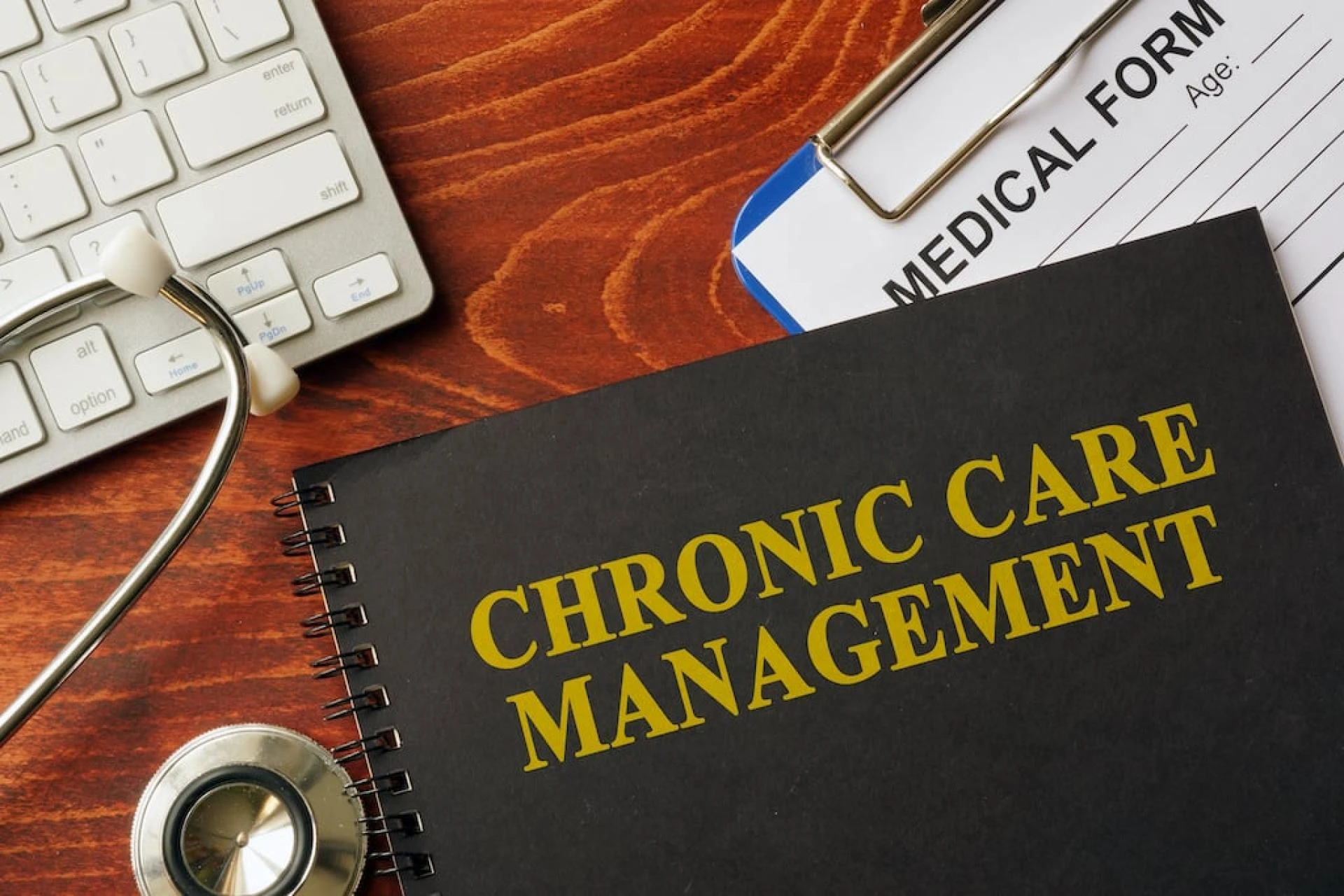
Living with a long term medical condition can feel overwhelming. Many people manage illnesses such as diabetes high blood pressure asthma or heart disease for years. These conditions require regular monitoring medication adjustments and lifestyle changes. Without proper guidance they can lead to serious complications. This is where Chronic Care Management becomes essential. It provides structured support ongoing monitoring and coordinated medical services for individuals dealing with persistent health issues. Instead of facing health challenges alone patients receive consistent professional care that improves stability and quality of life.
What Is Chronic Care Management
Chronic Care Management is a healthcare service designed for patients who have two or more long lasting medical conditions expected to last at least one year. These conditions may limit daily activities or increase the risk of hospitalization.
The goal is not just to treat symptoms but to create a long term care plan. This includes regular check ins medication review symptom tracking and coordination between healthcare providers. With Chronic Care Management patients receive continuous guidance rather than occasional treatment during emergencies.
Why Long Term Conditions Need Ongoing Support
Chronic diseases often develop slowly and can worsen without consistent attention. Skipping appointments or ignoring early warning signs increases health risks. Regular monitoring through Chronic Care Management helps detect changes before they become serious.
For example uncontrolled blood pressure may damage the heart and kidneys over time. Poorly managed diabetes can affect vision and nerve function. With structured follow up these complications can often be prevented or reduced.
Key Components of Chronic Care Management
Personalized care planning is one of the main features. Each patient receives a written care plan tailored to their conditions medications and lifestyle. This plan outlines treatment goals and daily management strategies.
Medication management is another important part. Providers review prescriptions to ensure they are effective and safe. Adjustments are made when needed to improve results and reduce side effects.
Regular communication also plays a major role. Patients may have scheduled phone calls or visits to discuss symptoms and progress. This consistent contact ensures that small concerns are addressed quickly.
Care coordination connects different providers such as specialists labs and pharmacies. Through Chronic Care Management all parts of treatment work together smoothly.
Conditions Commonly Managed
Many health issues qualify for ongoing support. These include diabetes high blood pressure heart disease chronic lung conditions arthritis and kidney disease. Mental health conditions such as depression may also require structured monitoring.
Because these illnesses are long lasting they demand steady attention. Chronic Care Management helps patients stay organized and informed about their treatment plans.
Benefits of Chronic Care Management
There are many advantages to enrolling in a structured program. One major benefit is reduced hospital visits. When symptoms are monitored closely complications are less likely to require emergency care.
Another benefit is improved medication adherence. Patients better understand why they take certain medicines and how to use them correctly.
Better communication leads to greater confidence. Patients feel supported knowing they can reach their care team with questions. Over time Chronic Care Management improves stability and overall health outcomes.
The Importance of Patient Education
Education empowers individuals to take control of their health. Patients learn how to monitor blood sugar check blood pressure recognize warning signs and maintain healthy routines.
Lifestyle adjustments are often discussed including balanced nutrition regular physical activity stress control and sleep habits. When combined with medical treatment these habits strengthen long term results. Through proper education within Chronic Care Management patients become active partners in their care.
How the Program Works
Enrollment usually begins with an evaluation of current conditions and treatment history. A comprehensive care plan is then created. This document includes health goals medication schedules and follow up timelines.
Patients receive monthly communication which may include phone consultations to review symptoms and progress. Any necessary referrals or test scheduling are coordinated by the care team. This organized structure ensures nothing important is missed.
Reducing Complications and Improving Quality of Life
Long term illnesses can affect daily routines and emotional wellbeing. Fatigue pain and stress are common challenges. Regular monitoring provides reassurance and timely adjustments that prevent worsening symptoms.
When conditions are controlled patients often experience higher energy levels and fewer disruptions to daily life. Consistent Chronic Care Management creates stability that supports independence and confidence.
Family and Caregiver Involvement
Family members often assist with medication reminders transportation and lifestyle support. A structured program keeps everyone informed about treatment plans and goals. Clear communication reduces confusion and strengthens teamwork.
When caregivers understand the care plan they can better support their loved ones. This shared responsibility enhances results and safety.
Tips for Managing Chronic Conditions Successfully
Stay consistent with appointments and scheduled calls. Follow medication instructions carefully and never stop treatment without consulting a provider. Monitor symptoms regularly and report changes quickly.
Adopt healthy daily habits including balanced meals regular exercise and adequate rest. Small improvements in lifestyle make a big difference over time. Through commitment and guidance from Chronic Care Management patients can maintain better control of their conditions.
Frequently Asked Questions
Who qualifies for chronic care management
Individuals with two or more long term conditions expected to last at least one year may qualify for structured management support.
Does this service replace regular doctor visits
No it complements routine visits by providing additional monitoring communication and coordination between appointments.
How often will I be contacted
Most programs include monthly communication but frequency may vary depending on individual needs and risk levels.
Can chronic care management reduce hospital visits
Yes consistent monitoring and early intervention help prevent complications that often lead to emergency care.
Is patient participation required
Yes active involvement such as following care plans reporting symptoms and attending scheduled check ins is essential for success.
Conclusion
Managing long term illness requires more than occasional appointments. It demands steady attention education and coordination. Through structured monitoring medication review and personalized care planning Chronic Care Management offers patients reliable guidance and support. This approach reduces complications improves stability and enhances overall wellbeing. With professional oversight and consistent communication individuals can live fuller and healthier lives despite chronic conditions. For dedicated long term care solutions and compassionate medical coordination Lone Star Family Care provides dependable support tailored to each patient’s unique health journey.




























Sign in to leave a comment.