
Introduction
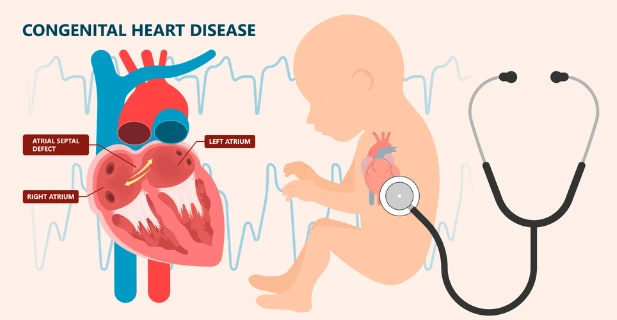
Congenital Heart Disease (CHD) is a complex medical condition that affects individuals from birth. It encompasses a wide range of structural abnormalities in the heart's formation and function, often requiring medical intervention. In this comprehensive article, we will explore the various aspects of CHD, including its causes, symptoms, diagnosis, and congenital heart disease treatment options.
Causes of Congenital Heart Disease
CHD arises during foetal development when the heart does not form correctly. Although the exact causes are not always clear, several factors can contribute to the development of congenital heart defects:
Genetic Factors: A family history of CHD can increase the risk of a child being born with a heart defect. Some CHDs have a strong genetic component.Environmental Factors: Maternal exposure to certain infections, medications, or toxins during pregnancy can increase the risk of CHD.Chromosomal Abnormalities: Conditions like Down syndrome are associated with an increased risk of congenital heart defects.Diabetes: Poorly controlled diabetes during pregnancy can raise the likelihood of CHD in the baby.Rubella (German Measles): Contracting rubella during early pregnancy can lead to heart defects in the developing foetus.Types of Congenital Heart Disease
CHD encompasses a wide spectrum of heart defects, each with its own unique characteristics and challenges. Some common types include:
Atrial Septal Defect (ASD): An opening in the wall (septum) between the heart's upper chambers (atria).Ventricular Septal Defect (VSD): An opening in the septum between the heart's lower chambers (ventricles).Tetralogy of Fallot: A combination of four heart defects that affect oxygen levels in the blood.Patent Ductus Arteriosus (PDA): Failure of a foetal blood vessel, the ductus arteriosus, to close after birth, leading to abnormal blood flow.Coarctation of the Aorta: Narrowing of the aorta, the body's main artery, which can restrict blood flow.Transposition of the Great Arteries: A condition where the two main arteries leaving the heart are reversed.Hypoplastic Left Heart Syndrome (HLHS): Underdevelopment of the left side of the heart, requiring multiple surgeries.Symptoms of Congenital Heart Disease
The symptoms of CHD can vary widely depending on the type and severity of the defect. Some infants may show symptoms shortly after birth, while others may not exhibit signs until later in childhood or adulthood. Common symptoms include:
Cyanosis: Bluish tint to the skin, lips, and nails due to decreased oxygen levels in the blood.Rapid Breathing or Shortness of Breath: Difficulty breathing, especially during feeding or physical activity.Poor Growth: Difficulty gaining weight or growing at a normal rate.Fatigue: Excessive tiredness or lack of energy.Sweating: Excessive sweating, especially around the head and neck.Frequent Respiratory Infections: Increased susceptibility to respiratory illnesses.Clubbing of Fingers and Toes: Abnormal rounding and widening of fingertips and toes.Heart Murmurs: Unusual heart sounds detected during a physical examination.It's important to note that some individuals with CHD may not exhibit any noticeable symptoms, and the condition may only be detected during a routine checkup or medical evaluation for an unrelated issue.
Diagnosis of Congenital Heart Disease
Diagnosing CHD typically involves a combination of clinical assessments, medical imaging, and diagnostic tests. Here are some common diagnostic approaches:
Physical Examination: A healthcare provider may detect heart murmurs or other abnormalities during a routine physical examination.Echocardiogram (Echo): An ultrasound of the heart that provides detailed images of the heart's structure and function.Electrocardiogram (ECG or EKG): Records the heart's electrical activity, helping to identify abnormal rhythms and other issues.Chest X-ray: Provides images of the heart and lungs to assess their size and condition.Cardiac Catheterization: Involves threading a thin tube (catheter) through blood vessels to the heart, allowing for more precise diagnosis and potential treatment.Pulse Oximetry: Measures the oxygen levels in the blood, which can help identify cyanotic CHD.Genetic Testing: In cases of suspected genetic factors, genetic testing may be performed.Early diagnosis of CHD is crucial for timely intervention and management, as it can significantly improve a patient's quality of life and long-term outcomes.
Treatment of Congenital Heart Disease
Treatment for CHD varies depending on the type and severity of the defect. Some common approaches include:
Medications: Certain heart medications can help manage symptoms, improve heart function, and prevent complications.Catheter Procedures: Minimally invasive procedures using catheters can repair or close certain heart defects.Surgery: Some CHDs require open-heart congenital heart surgery to repair or correct structural abnormalities. Surgical options range from simple repairs to complex procedures like heart transplantation.Heart Transplantation: In severe cases where the heart cannot be repaired, a heart transplant may be necessary.Lifestyle Modifications: Patients with CHD may need to make lifestyle changes, such as dietary adjustments, exercise restrictions, and regular medical follow-ups.Long-Term Care: Many individuals with CHD require lifelong follow-up care to monitor their heart health and address any potential issues.Conclusion
Congenital Heart Disease is a diverse group of conditions that affect individuals from birth, ranging from mild to severe. Early diagnosis, appropriate medical intervention, and ongoing care are essential for managing CHD and improving the quality of life for affected individuals. With advances in medical technology and treatment options, many people with CHD can lead healthy and fulfilling lives. If you suspect your child or yourself has CHD or exhibit any concerning symptoms, consult a healthcare professional for a thorough evaluation and personalized care plan.





























Sign in to leave a comment.