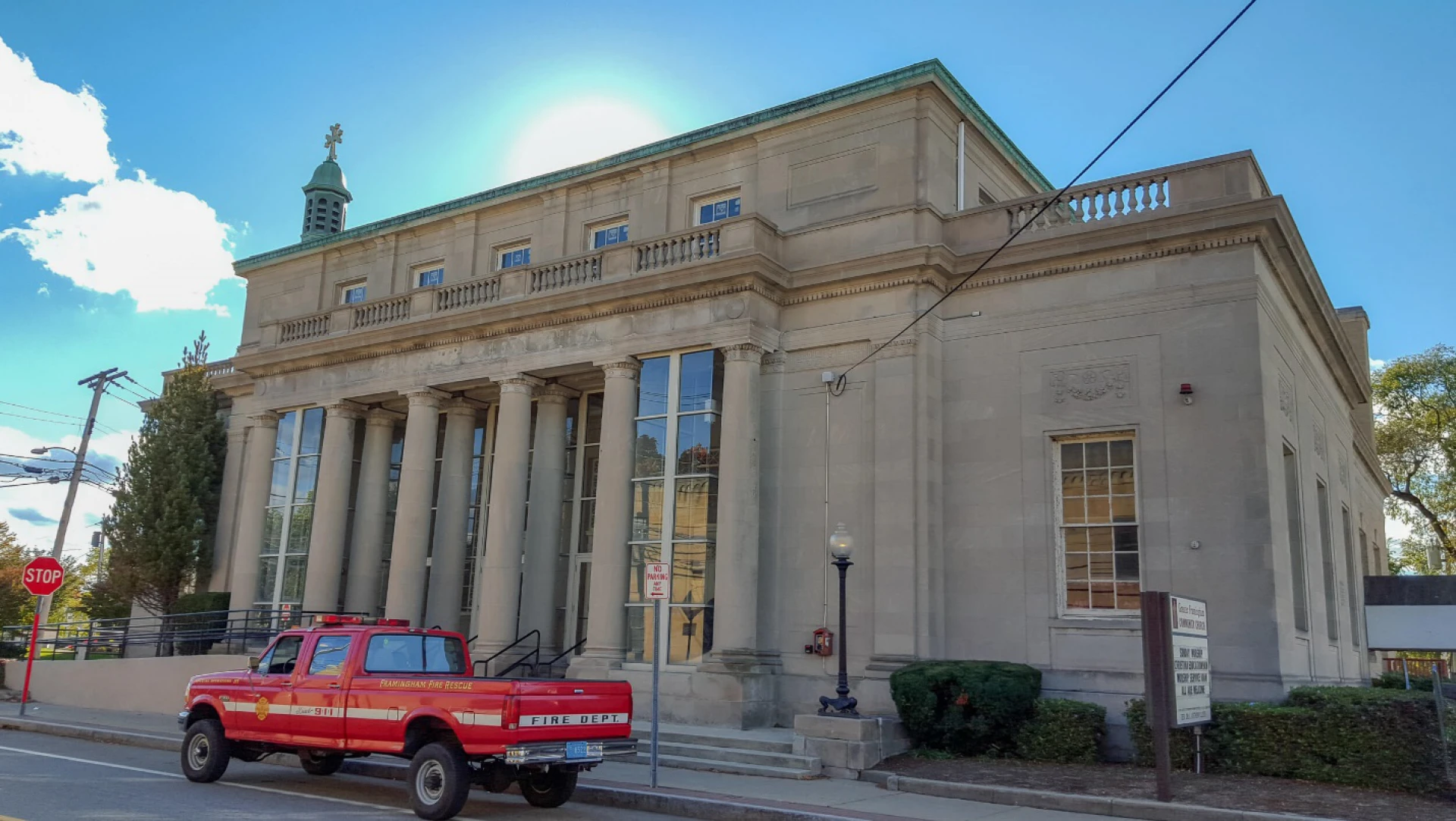

Historic masonry carries more than age. It holds craftsmanship, materials, and construction logic that modern buildings rarely replicate. Conservation-driven masonry restoration focuses on protecting those qualities while ensuring safety and durability. Early assessment often includes moisture testing, material sampling, and load analysis. In cities where freeze-thaw cycles and coastal humidity are common, issues similar to Boston water damage restoration frequently appear in older brick and stone structures.
How Historic Masonry Was Designed to Perform
A conservation first approach begins with understanding how a building was meant to work. Historic masonry walls were designed to breathe. They manage moisture through evaporation rather than trapping it inside. Traditional construction relied on lime mortars, porous bricks, and natural airflow to regulate damp conditions. Modern repair methods that ignore this principle can weaken the structure over time by sealing moisture within the wall system. Scientific conservation methods respect original behavior while improving performance through compatible materials, careful detailing, and controlled moisture movement that supports long term stability.
Why Material Compatibility Protects Structural Integrity
Material compatibility is one of the most critical factors. Historic bricks and stones are usually softer than modern masonry units. Using hard cement mortars can cause cracking and spalling because stress is forced into the masonry units instead of the joint. Lime based mortars, tested for compressive strength and vapor permeability, are often selected after laboratory analysis. These mortars allow movement and moisture release without damage.
Scientific Evaluation of Load and Structural Movement
Structural integrity also depends on understanding load paths. Many historic buildings rely on thick masonry walls for both enclosure and support. Engineers assess settlement, wall bulging, and past alterations before recommending reinforcement. Where added strength is needed, concealed methods are preferred. Stainless steel anchors, grout injection, and discreet reinforcement bars can stabilize walls without changing their appearance.
Moisture Control as the Foundation of Masonry Longevity
Moisture management plays a central role in conservation driven work. Water is the most common cause of masonry failure. Scientific methods include infrared scans, moisture meters, and salt analysis to identify how water enters and moves through walls. Solutions often combine drainage improvements, flashing repair, and selective sealing. This is where experience with waterproofing contractors in Boston becomes relevant, especially for foundations and parapet walls exposed to heavy weather.
Cleaning and Surface Treatments That Preserve Original Fabric
Surface treatments are chosen carefully because even minor changes can affect how historic masonry performs. Breathable water repellents are sometimes used, but only after testing confirms they will not trap moisture or alter vapor movement within the wall. These treatments are applied selectively rather than across entire facades. Cleaning methods also follow strict standards developed through conservation research.
Low-pressure water washing, gentle detergents, and micro abrasive techniques are selected based on material type, surface condition, and age. Test patches are completed first to confirm results. Aggressive cleaning can remove protective surfaces, increase porosity, and shorten the life of historic masonry by accelerating weathering and moisture absorption.
Repairing Historic Concrete Without Compromising Masonry
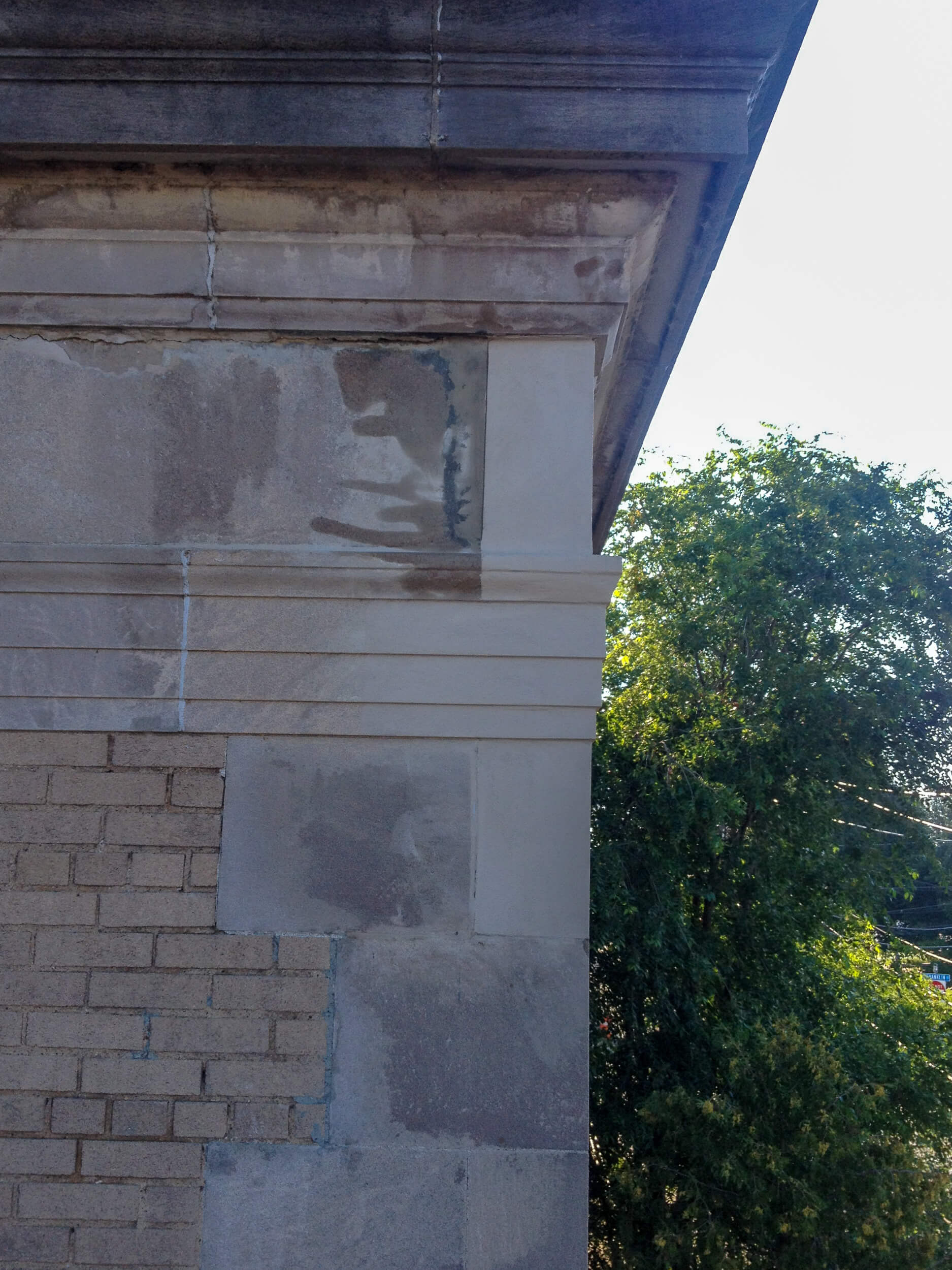
Concrete elements in older buildings require special attention. Early concrete mixes differ greatly from modern formulations. Repairs focus on matching strength, texture, and expansion behavior. Scientific testing guides patching and reinforcement so repairs do not accelerate corrosion or cracking. Knowledge gained from projects of concrete repair in Boston often informs these decisions, especially in mixed masonry and concrete structures.
The Value of Local and Material Specific Expertise
Location specific expertise matters as well. A brick repointing contractor in Stoughton, MA, understands local climate stresses, regional brick types, and common construction practices. That local insight supports better mortar selection and joint detailing. Similarly, brownstone restoration contractors in Watertown, MA, bring experience with a stone that is both beautiful and vulnerable to moisture and pollution. Brownstone requires careful consolidation and repair to prevent surface loss.
Planning for Long-Term Performance and Maintenance
Conservation-driven restoration also considers long-term maintenance. A repaired building should be easier to care for, not more fragile. Clear documentation, compatible materials, and accessible inspection points support future upkeep. This approach aligns preservation goals with modern performance expectations, creating buildings that remain functional and authentic for decades.
Preserve Structural Integrity with Proven Expertise
For property owners seeking durable, research-backed masonry solutions, AMN Masonry delivers conservation-driven restoration rooted in science and field experience. They apply methods used by leading waterproofing contractors in Boston, integrate proven techniques from concrete repair in Boston, and coordinate specialized services like a brick repointing contractor in Stoughton, MA. With AMN Masonry, historic structures gain strength without losing character. Reach out to them to learn more.
About the Author
The author is a construction and preservation writer who focuses on translating technical restoration research into clear guidance for property owners, architects, and facility managers. Their work highlights practical methods that protect historic structures while meeting modern safety and performance needs.





Sign in to leave a comment.