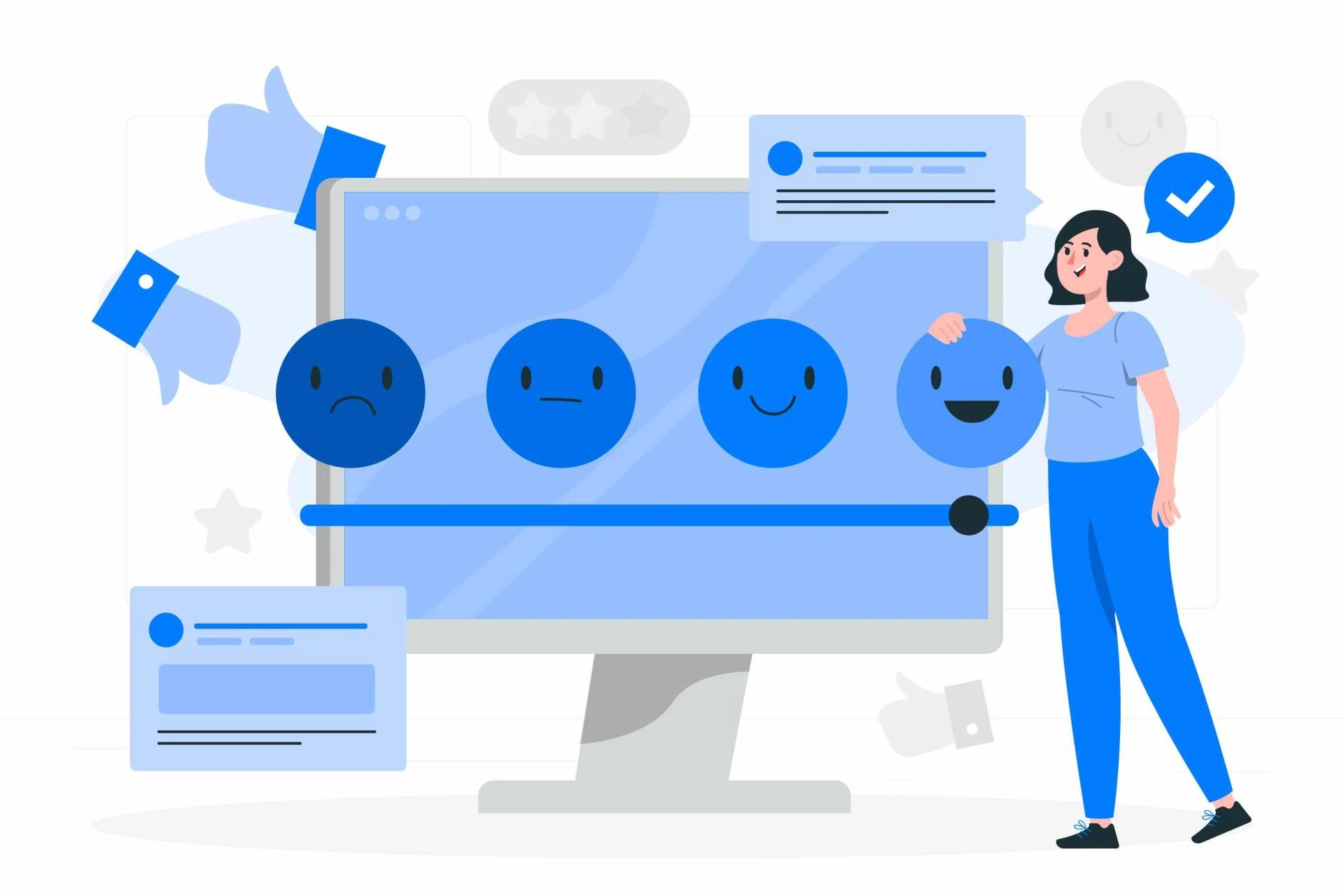

Every successful loyalty app starts with one thing — knowing your customer. In 2025, it’s not enough to simply offer points or rewards. To build stronger relationships and drive engagement, businesses must truly understand how users behave, what motivates them, and how they interact with the app. Many successful brands collaborate with a trusted mobile app development partner to ensure their loyalty platforms reflect real user behavior and scale reliably over time.
Customer behavior in loyalty apps reveals patterns that help brands make better decisions. Whether it’s how often users redeem rewards or which offers get ignored, these insights shape how your app performs. With the right data and tools, you can create a loyalty program that feels relevant, valuable, and effortless for your users.
The Role of Customer Behavior in Loyalty Programs
Customer behavior plays a huge role in how a loyalty program performs. Every tap, swipe, and purchase tells a story. When businesses track these actions, they learn what users value most and what keeps them coming back.
Understanding customer behavior helps improve engagement, build trust, and deliver rewards that matter. Without it, loyalty programs often feel generic or disconnected. A behavior-driven loyalty program creates stronger emotional connections and encourages more frequent interaction.
Key Customer Insights That Drive App Success
To build a loyalty app that actually works, you need to look at the right customer insights. Some of the most useful ones include:
- Purchase frequency and average spend
- Reward redemption rates and preferences
- Time spent on app features (like wallets, referrals, or game elements)
- User churn or drop-off points
- Preferred devices or platforms
These insights help you spot loyal customers, identify pain points, and understand what features to improve. When used well, customer insights for loyalty apps can shape better decisions and smarter rewards.
How to Collect and Analyze Customer Behavior Data
Collecting behavior data doesn’t have to be complex. Start by tracking basic actions within the app like logins, purchases, redemptions, and screen views. Use in-app surveys and feedback forms to gather direct input. Loyalty platforms often offer built-in tools for this.
You can also connect your app with analytics platforms that give detailed reports. When you know how to collect customer behavior data in loyalty apps, you can analyze it to find patterns and trends. Look for common actions before users churn or which rewards trigger the most excitement. These insights let you fix weak spots and build on what works.
Using Customer Behavior to Personalize Loyalty Experiences
Not every user is the same. Some respond to discounts, while others want exclusive access or gamified perks. When you understand how users behave, you can tailor experiences to match their preferences.
Use customer behavior to send smarter offers. For example, if a user always shops on weekends, send rewards timed for that pattern. Or, if someone hasn’t opened the app in weeks, send a special re-engagement offer. Personalization like this boosts loyalty app engagement and makes your users feel seen and valued.
Tools & Technologies That Help Track and Predict Behavior
Many tools help you track and analyze user behavior. Platforms like Firebase, Mixpanel, and Amplitude offer real-time analytics for loyalty program success. These tools show how users interact with your app — from clicks to conversions.
You can also use CRM systems and loyalty software with behavior tracking features. Some advanced platforms even predict user actions based on past behavior. These technologies help you stay ahead and adjust your loyalty strategy as trends shift.
Real-World Examples of Behavior-Driven Loyalty Success
Some of the most successful apps in retail, food delivery, and e-commerce use behavior-driven loyalty strategies. For example:
- A food delivery brand noticed users often ordered lunch on weekdays. They started offering double points during that time and saw a spike in orders.
- An online retailer used customer insights to send personalized birthday offers — leading to higher redemptions and more repeat purchases.
- A beauty brand tracked in-app engagement and saw that tutorials drove purchases. They added more content and loyalty incentives tied to views, which boosted app use.
These examples of behavior-driven loyalty app design show how real-time insights can lead to smarter decisions and stronger customer relationships.
Common Mistakes Businesses Make When Ignoring Behavior
Many businesses rush into development without understanding what makes a loyalty app successful, leading to scalability or engagement issues later. Here are a few common problems:
- Offering the same rewards to everyone
- Ignoring drop-off points in the app
- Not tracking which features users enjoy
- Sending too many or irrelevant notifications
- Failing to adapt the program over time
- Not using real-time data to guide offers
Ignoring behavior causes loyalty apps to lose engagement fast. Without knowing what users like or dislike, brands end up with high churn and low ROI.
Conclusion
Customer behavior is the foundation of every successful loyalty program. By collecting insights, tracking patterns, and personalizing experiences, businesses can build loyalty apps that actually work.
When you understand what drives users to act — and use that knowledge to shape your app — you create lasting value. Use data not just to measure success, but to design it.
READ ALSO:
Benefits of Using Laravel Development Services for Startups
Proven Business Benefits of ReactJS Web App Development
Smart Strategies for Affordable Web App Development Services



























Sign in to leave a comment.