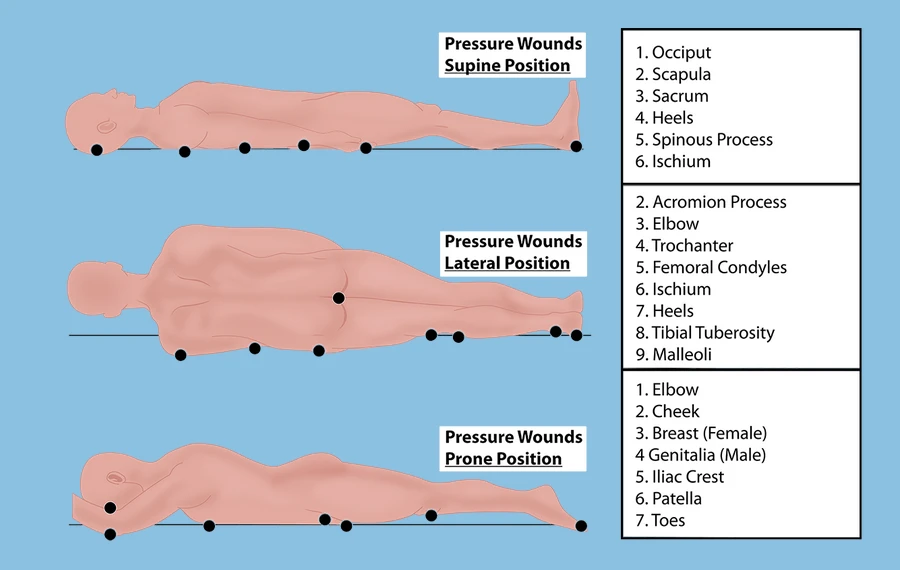

Diabetic leg ulcers, also known as diabetic foot ulcers, are a serious complication of diabetes, often leading to severe consequences if not appropriately managed. These ulcers are open sores or wounds that commonly occur on the bottom of the foot and are particularly stubborn in their resistance to healing. The interplay between diabetes and wound healing is complex and multifaceted, making management and prevention crucial for individuals with diabetes.
Causes of Diabetic Leg Ulcers
Diabetic leg ulcers are primarily caused by a combination of factors associated with diabetes. Diabetes often leads to nerve damage, known as neuropathy, which reduces the sensation of the foot. This lack of sensation means that injuries, cuts, or blisters may go unnoticed and untreated, leading to ulceration.
Poor Circulation: Diabetes can cause peripheral arterial disease (PAD), reducing blood flow to the extremities. Poor circulation impedes the body's ability to heal wounds, making even minor injuries prone to becoming chronic ulcers.
Hyperglycemia: Elevated blood sugar levels impair the immune system, reducing the body's ability to fight infections. Hyperglycemia also affects the body's ability to repair damaged tissues, further complicating healing.
Foot Deformities: Leg ulcers can lead to changes in the shape of the feet, such as hammertoes or Charcot's foot, which increase the risk of ulcers due to abnormal pressure points and friction.
The Healing Process and Challenges
Wound healing in diabetes is notably challenging due to the factors above. The typical stages of wound healing—homeostasis, inflammation, proliferation, and remodeling—are disrupted in individuals with diabetes.
Inflammation: Chronic inflammation is standard, with prolonged presence of inflammatory cells, which can delay healing.
Proliferation: The formation of new tissue is slower due to impaired fibroblast function and reduced collagen production.
Remodeling: The final stage of wound healing is often incomplete or dysfunctional, leading to weak, easily re-injured skin.
Treatment Strategies
Managing diabetic leg ulcers involves a multifaceted approach:
Blood Sugar Control: Tight glycolic control is essential. Keeping blood sugar levels within the target range helps improve overall immune function and promote healing.
Wound Care: Proper wound care is crucial. Wound healing and diabetes includes regular cleaning, debridement (removal of dead tissue), and applying appropriate dressings to keep the wound moist and protected from infection.
Infection Management: Antibiotics may be prescribed due to the high risk of infection. Signs of disease must be promptly addressed to prevent further complications.
Offloading: Reducing pressure on the ulcerated area is vital. Special footwear, insoles, or devices like total contact casts can help redistribute pressure and promote healing.
Improving Circulation: For those with PAD, treatments to improve blood flow may be necessary. This can include medications, lifestyle changes, or surgical interventions such as angioplasty.
Advanced Therapies: In some cases, advanced treatments such as growth factors, skin substitutes, or hyperbaric oxygen therapy may enhance healing.
Prevention
Preventing diabetic foot ulcer is a crucial aspect of diabetes management:
Regular Foot Examinations: Individuals with diabetic foot ulcer should inspect their feet daily for any signs of injury or changes. Regular check-ups with a healthcare provider are also important.
Proper Footwear: Wearing well-fitted, supportive shoes can prevent injuries. Diabetic shoes or orthotic devices may be recommended.
Good Foot Hygiene: Keeping feet clean and dry, moisturizing to prevent cracking and avoiding walking barefoot can reduce the risk of injury and infection.
Lifestyle Changes: Quitting smoking, maintaining a healthy diet, and engaging in regular exercise can improve overall circulation and health, reducing the risk of ulcers.
Education: Patients should be educated about the risks and management of diabetic foot complications. Awareness and knowledge empower individuals to take proactive steps in their care.
Conclusion
Diabetic leg ulcers are a significant complication of diabetes, posing a major challenge due to impaired wound healing and a high risk of infection. Comprehensive management, including tight blood sugar control, proper wound care, and preventive measures, is essential to mitigate risks and promote healing. Regular monitoring and prompt treatment of any foot injuries can prevent minor issues from escalating into severe, life-threatening conditions. By understanding the causes and implementing effective strategies, individuals with diabetes can better manage their condition and maintain their quality of life.
For more information about diabetic foot ulcer, switch on Advanced Oxygen Therapy Inc. for the best treatment for diabetic disease or ulcers.





























Sign in to leave a comment.