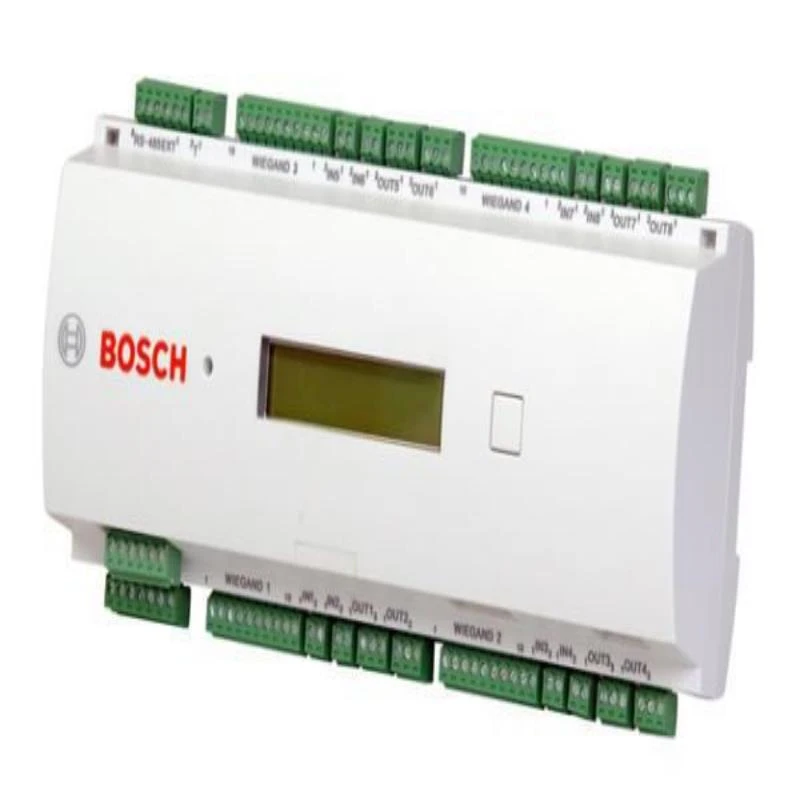

Door controller modules play a key role in modern access control systems. They connect doors, locks, and monitoring tools to secure and manage entry points. These modules meet different needs, from high-security areas to residential and commercial setups focused on convenience.
What Are Door Controller Modules?
It controls the locking and unlocking of doors based on set conditions. These systems provide secure access and prevent unauthorized entry. They manage multiple access points and include features like interlocking doors, fire alarm integration, and status monitoring.
Key Features of Entrance Controller Modules
Modern door controllers are equipped with various features to meet diverse security and operational requirements:
Multi-Door Control:
Modules can manage multiple doors simultaneously, providing flexibility for different configurations such as 2-door, 4-door, or even up to 8-door systems.
Interlocking Mechanism:
Interlocking allows only one door to open at a time. It is ideal for high-security areas like cash-handling facilities or pharmaceutical labs.
Adjustable Settings:
Features such as adjustable dwell time, door-open delays, and privacy modes make these modules highly customizable for specific site needs.
Fire Alarm Integration:
These systems can connect with fire alarms to ensure automatic door release in emergencies, improving safety compliance.
Power Supply Integration:
Many modules come with built-in power supplies, eliminating the need for external components and reducing installation complexity.
Offline Functionality:
Advanced modules can operate independently of the central host, maintaining access control and event logging during communication downtime.
Status Indication and Alerts:
LED indicators and breach alerts give real-time updates on door status and security breaches. They support proactive monitoring.
Types of Entrance Controller Modules
Door controllers vary based on the number of doors they can control, operational modes, and application environments.
Single-Door Modules:
Ideal for residential or small office setups, these modules manage a single door with basic locking and unlocking features.
Multi-Door Modules:
Designed for larger facilities, these modules can control multiple doors with advanced interlocking, privacy modes, and fire alarm integration.
Programmable Controllers:
These modules offer fully customizable configurations, allowing users to program specific interlocking and access rules for complex security needs.
Centralized Controllers:
Centralized systems manage multiple modules across a building, providing a unified interface for monitoring and controlling all access points.
Applications of Entrance Controller Modules
It finds applications in a variety of industries and environments, each with unique requirements:
High-Security Environments:
Facilities like banks, police stations, and jewelry stores use interlocking mechanisms to control access. These systems allow only one door to open at a time.
Medical and Pharmaceutical Facilities:
Cleanrooms and labs require precise interlocking to prevent cross-contamination, with modules programmed for secure and non-secure operations.
Commercial Buildings:
Offices, malls, and warehouses use multi-door modules to regulate employee and visitor access, integrating with fire alarms and monitoring systems.
Residential Properties:
Smart home systems use single-door controllers for convenience and safety. They offer features like remote access and status alerts.
Industrial Applications:
Warehouses and manufacturing plants use door controllers for access control. They are often integrated with roller shutters and bollards for vehicle management.
Benefits of Door Controllers
Boosted Security
Door controllers regulate access and provide breach alerts to enhance safety.
Versatile and Expandable
These modules work for various setups and can be expanded to handle more doors.
Improved Safety Standards
Fire alarm inputs and emergency door release support compliance with safety rules.
Budget-Friendly Options
Built-in power supplies and programmable features reduce hardware needs and costs.
Simplified Maintenance
Maintenance release functions and adjustable settings make upkeep easy.
Factors to Consider When Choosing a Door Controller Module
Selecting the right door controller module depends on your specific needs and environment. Here are key considerations:
Number of Doors:
Determine the number of doors you need to control and choose a module that supports your requirement.
Operational Modes:
Evaluate the available modes, like locked and unlocked interlocking, to check compatibility with your security protocols.
Power Supply Requirements:
Choose modules with built-in power supplies for an easier setup.
Integration Capabilities:
Ensure the module can integrate with existing systems, including fire alarms, monitoring tools, and smart devices.
Environment and Usage:
Consider factors like temperature, humidity, and door type (manual or automated) to choose a module suitable for the operating environment.
Conclusion
Door controller modules are indispensable in modern access control systems, offering unparalleled security and flexibility. Whether you’re managing a small office, a high-security facility, or a residential property, choosing the right module can transform your access control strategy. By understanding their features, types, and applications, you can decide to fit your needs and keep up with technological advancements.
For more insights into access control solutions, keep exploring how these modules revolutionize security and efficiency in diverse environments.


























Sign in to leave a comment.