
Modern buildings need systems that provide comfort while using energy efficiently. Heating and cooling systems are an important part of this process, especially in commercial buildings, hospitals, hotels, and large residential projects. Two important concepts in this area are the heat pump working principle and MEP engineering, which together help create efficient and well-planned building services.
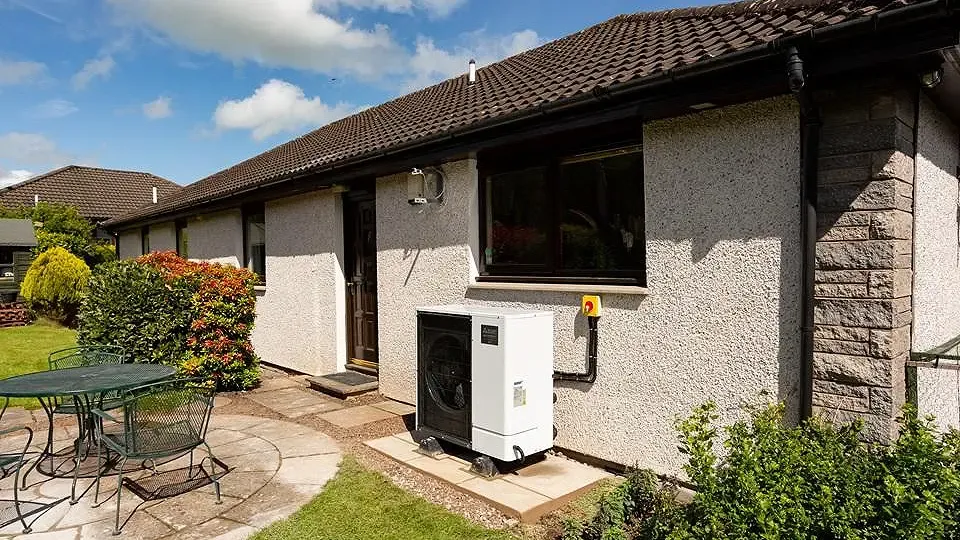
A heat pump is a system that transfers heat from one place to another instead of generating heat directly. It can be used for heating, cooling, and hot water applications. The basic heat pump working principle involves moving heat from a low-temperature source to a higher-temperature area with the help of a refrigerant and a compressor.
During the heating process, a heat pump extracts heat from sources such as outdoor air, the ground, or water. This heat is absorbed by the refrigerant, which then moves through the system. The compressor increases the pressure and temperature of the refrigerant before the heat is transferred into the building.
The process can also be reversed to provide cooling. In this mode, the heat pump removes heat from the indoor space and transfers it outside. This makes heat pumps a flexible solution for maintaining comfortable indoor temperatures throughout the year.
One of the main advantages of heat pumps is their energy efficiency. Since they transfer existing heat rather than producing it directly, they can use less energy compared with some conventional heating systems. This can help reduce operating costs and support more sustainable building design.
However, choosing and installing the right heat pump requires careful planning. This is where MEP engineering becomes important. MEP stands for Mechanical, Electrical, and Plumbing engineering. These three services are essential for the proper functioning of modern buildings.
Mechanical engineering covers systems such as heating, ventilation, air conditioning, and refrigeration. Electrical engineering deals with power distribution, lighting, controls, and electrical safety, while plumbing engineering focuses on water supply, drainage, and related systems.
MEP engineering ensures that these different systems work together efficiently. For example, when a heat pump is installed in a building, engineers need to consider its heating and cooling capacity, electrical requirements, water connections, ventilation needs, and available installation space.
Proper coordination is especially important in large construction projects. MEP engineers work with architects, structural engineers, contractors, and other teams to avoid clashes between different services. This can reduce rework, delays, and additional costs during construction.
Modern MEP engineering also focuses on energy efficiency and sustainable building practices. Engineers can use efficient equipment, smart controls, renewable energy systems, and better building designs to reduce energy consumption and improve overall performance.
In conclusion, understanding the heat pump working principle is important when planning efficient heating and cooling systems. At the same time, MEP engineering ensures that these systems are properly designed, coordinated, and integrated with other building services. Together, they contribute to buildings that are comfortable, energy-efficient, and better prepared for the future.





























Sign in to leave a comment.