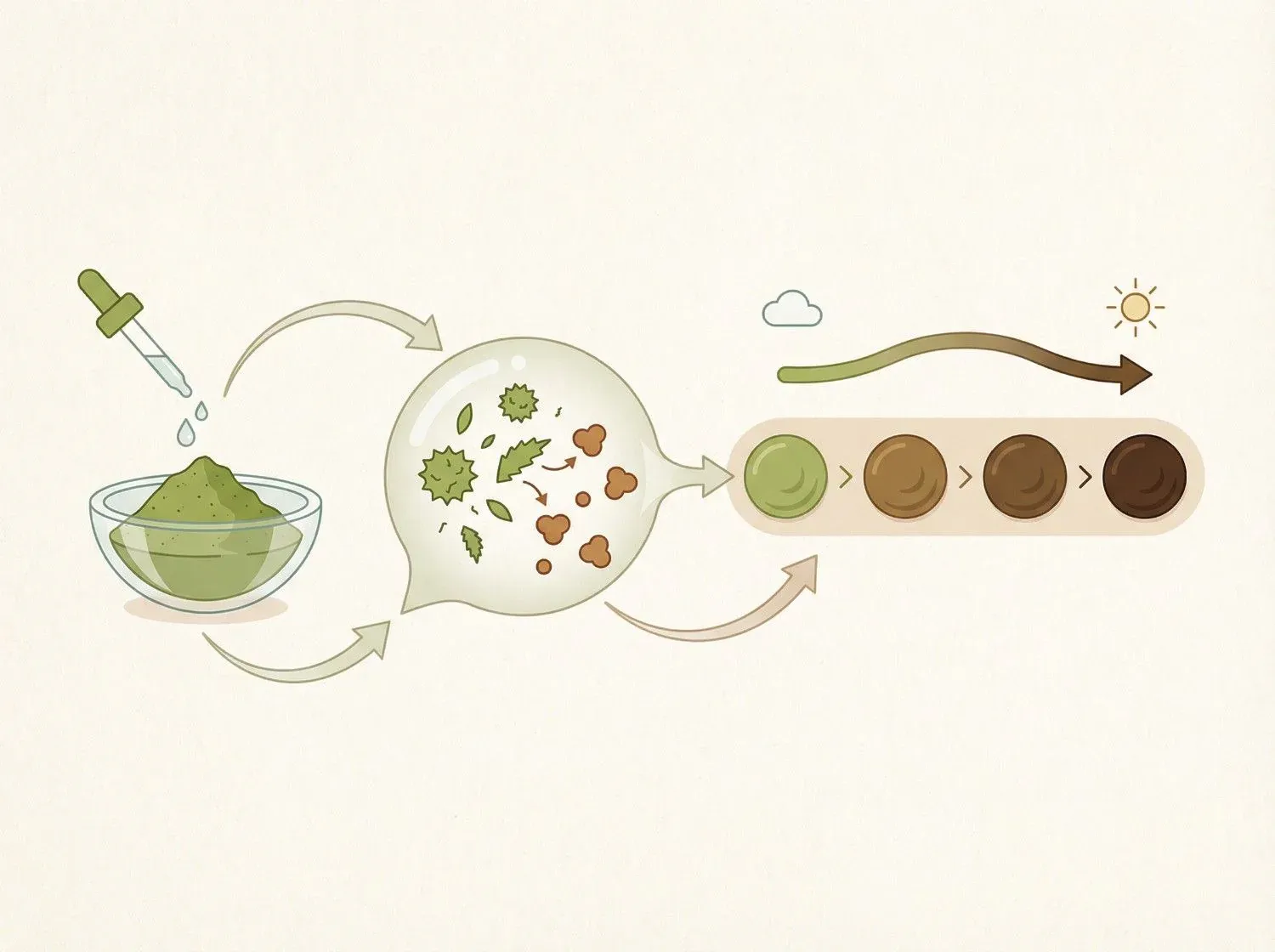


Henna has been used as a natural coloring agent for centuries across different cultures. Derived from the leaves of the henna plant, it is valued for its ability to impart rich reddish and brownish tones to hair without relying on synthetic colorants. However, many first-time users are surprised when the color of henna-treated hair continues to change after application. This transformation is not a defect or inconsistency. Instead, it is the result of a natural process known as oxidation.
Understanding henna oxidation helps users set realistic expectations and better appreciate how natural hair coloring develops over time. By learning the science behind this process, individuals can make informed decisions about hair care and color maintenance.
What Is Henna Hair Dye Oxidation?
Oxidation is a chemical reaction that occurs when henna pigments come into contact with oxygen in the air. The primary coloring molecule found in henna is lawsone, which binds to the keratin proteins in the hair shaft. Immediately after rinsing out henna, the color may appear bright orange or coppery. Over the next 24 to 72 hours, exposure to oxygen causes the pigment to deepen and mature.
This gradual color development is one of the defining characteristics of Natural Henna for Hair. Unlike many synthetic dyes that display their final shade immediately after application, henna requires time for the oxidation process to complete.
Why Does the Color Change After Application?
The color change occurs because the lawsone molecules continue reacting with oxygen after they have attached to the hair. Initially, the pigment reflects light differently, creating a brighter appearance. As oxidation progresses, the molecular structure stabilizes and produces deeper tones.
Depending on the original hair color, users may observe changes such as:
- Bright orange transitioning to auburn
- Copper shades becoming reddish-brown
- Light brown hair developing richer warm tones
- Gray hair transforming into vibrant natural-looking highlights
The final shade often becomes visible after several days, making patience an important part of the henna coloring process.
Factors That Influence Henna Oxidation
Several factors affect how quickly and noticeably oxidation occurs.
Hair Color and Texture
Natural hair color plays a significant role in the final outcome. Lighter hair generally displays more vibrant color shifts, while darker hair may show subtler changes. Hair texture and porosity can also influence how deeply the pigment penetrates the hair shaft.
Quality of Henna Powder
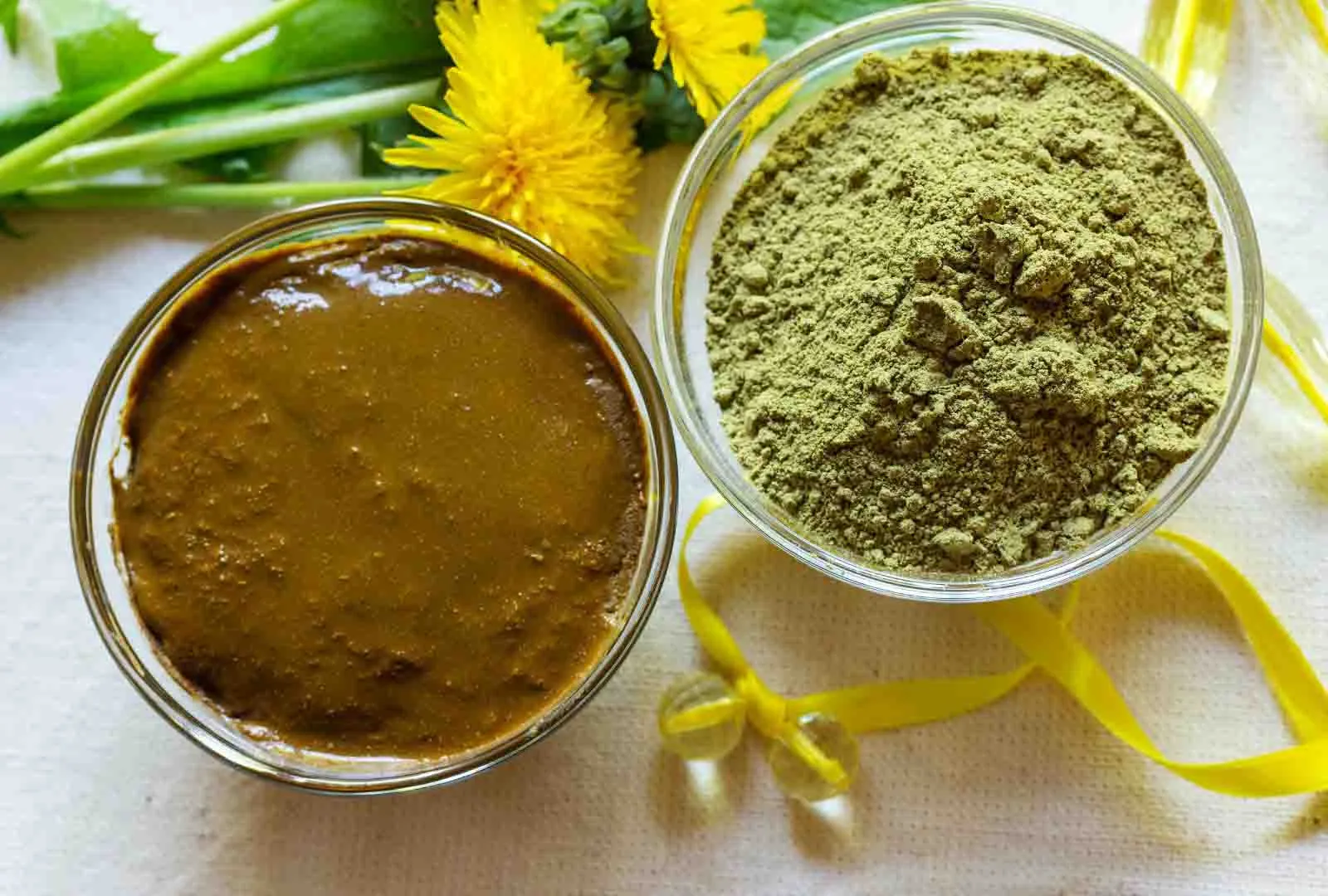
The quality, freshness, and purity of henna powder affect pigment release and color development. Freshly processed henna often contains higher concentrations of active lawsone molecules, which contribute to stronger color results.
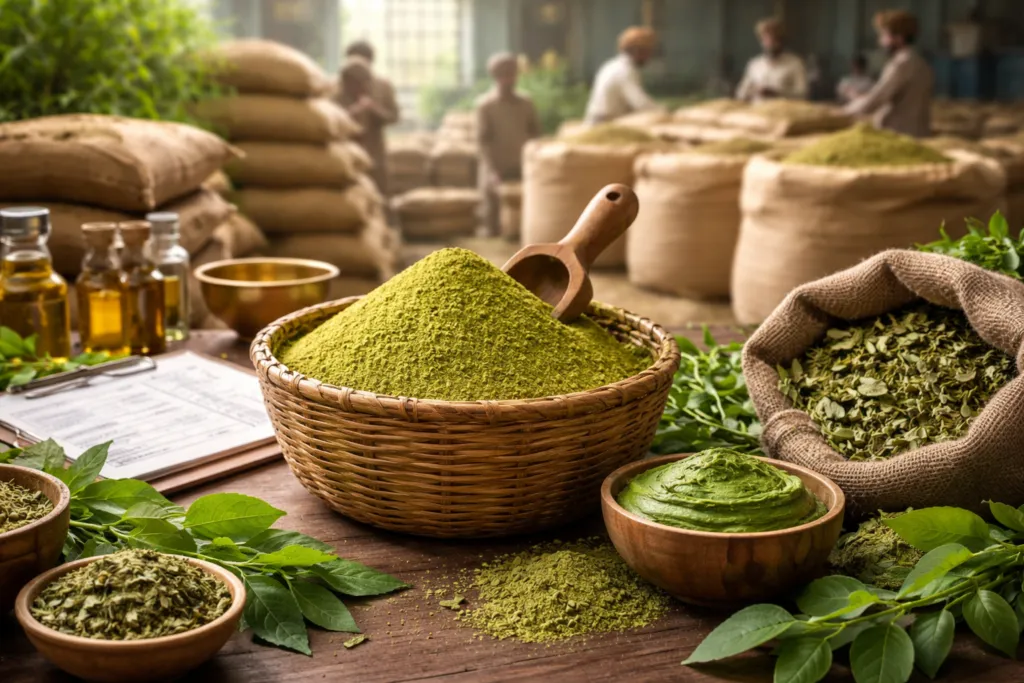
A reliable Henna Dye Manufacturer typically follows standardized processing methods to maintain consistency in pigment content and product quality.
Environmental Conditions
Temperature, humidity, and sunlight exposure can influence oxidation rates. Warmer conditions often accelerate the process, while cooler environments may slow it down slightly. However, oxidation generally occurs naturally regardless of climate.
Hair Care Products
Certain shampoos, conditioners, and styling products may impact how the color appears after oxidation. Products containing harsh detergents can affect the longevity and appearance of henna-treated hair, while gentle formulations help preserve color richness.
How Long Does Oxidation Take?
For most individuals, noticeable oxidation occurs within the first 24 hours after application. The process generally continues for up to 72 hours before reaching its final stage. In some cases, subtle color adjustments may continue for several additional days.
Because of this timeline, it is recommended to wait at least three days before evaluating the final shade. Assessing the color too soon can lead to incorrect conclusions about the effectiveness of the treatment.
Common Misconceptions About Henna Oxidation
Many misconceptions surround henna color development. One common belief is that the initial orange tone indicates a poor-quality product. In reality, this bright color is often a normal stage of oxidation.
Another misconception is that henna produces identical results on every individual. Hair color, porosity, previous treatments, and environmental factors all contribute to unique outcomes.
Some users also assume that oxidation signifies fading. The opposite is generally true. Oxidation often deepens and enriches the color rather than diminishing it.
Can Oxidation Be Controlled?
While oxidation cannot be completely prevented, certain practices can support predictable color development.
- Allow sufficient dye-release time before application.
- Avoid frequent washing immediately after treatment.
- Use mild hair care products.
- Protect hair from excessive chemical treatments.
- Wait several days before deciding whether additional applications are necessary.
These steps help ensure that the oxidation process progresses naturally and that the resulting color remains stable.
Henna Beyond Hair Coloring
Henna's usefulness extends beyond hair applications. It has long been used in traditional decorative practices around the world. Products categorized as Henna For Body Art rely on the same plant-derived pigments, although the application methods and desired outcomes differ significantly from hair coloring.
In both cases, oxidation contributes to the gradual development of richer and darker color tones after initial application.
Conclusion
Henna hair dye oxidation is a natural and expected process that plays a vital role in the final color outcome. The transformation from bright initial tones to deeper, richer shades occurs as lawsone pigments react with oxygen and stabilize within the hair shaft. Factors such as hair type, product quality, environmental conditions, and hair care practices all influence the speed and appearance of this change. By understanding how oxidation works, individuals can better interpret their results and appreciate the unique characteristics that make henna a distinctive natural coloring option.


















Sign in to leave a comment.