

Understanding HMRC Compliance Requirements for Construction Businesses
Primary Keywords: payroll outsourcing, outsourced payroll
HMRC is the UK tax authority. They collect taxes. They enforce tax rules. They investigate businesses that do not comply.
Many construction business owners are a bit nervous about HMRC. They are not always sure what HMRC expects from them. They worry about getting things wrong.
The truth is that understanding HMRC requirements and staying compliant is not as mysterious as it seems. If you understand what HMRC expects and put systems in place to meet those expectations, you can stay compliant and avoid problems.
Let me explain what HMRC expects from construction businesses and how to stay compliant.
What HMRC Does
Before we talk about compliance, let us understand what HMRC actually does.
HMRC collects income tax from individuals. They collect National Insurance contributions. They collect corporation tax from companies. They collect VAT from registered businesses. They manage tax benefits and credits.
Beyond collecting taxes, HMRC enforces tax rules. They investigate businesses they think are non compliant. They pursue unpaid taxes. They charge penalties for violations.
HMRC has significant powers. They can investigate your business. They can demand information. They can assess what they think you owe. They can take legal action.
Staying on the right side of HMRC is important.
HMRC Compliance for Construction
Construction businesses have specific HMRC compliance requirements.
If you employ people, you need to operate PAYE. You need to deduct income tax and National Insurance from employee pay. You need to file Real Time Information returns showing what you have paid and deducted.
If you pay subcontractors, you need to operate CIS. You need to deduct tax from subcontractor payments. You need to file CIS returns.
If you are a limited company, you need to file corporation tax returns showing your profit and tax liability.
If you are self employed, you need to file a self assessment return showing your income and profit.
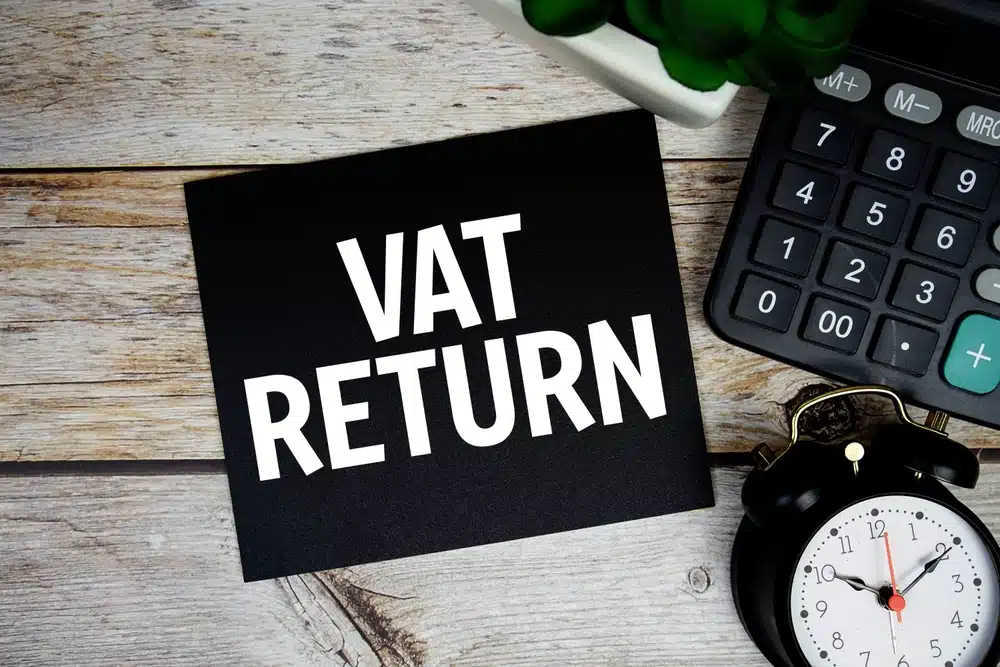
If you are registered for VAT, you need to file VAT returns and pay VAT due.
All of this together is HMRC compliance for construction.
Real Time Information
Real Time Information, or RTI, is a system HMRC uses to collect payroll information.
If you have employees, you must file an RTI return each time you pay them. Whether you pay weekly, monthly, or at other intervals, you file an RTI return.
The RTI return shows what you paid the employee and what taxes you deducted.
RTI returns must be filed on time. There is no grace period. Missing the deadline results in penalties.
Many construction companies find RTI confusing. They do not realise how important the deadlines are. They miss returns. HMRC charges penalties.
Understanding RTI and ensuring returns are filed on time is essential for HMRC compliance.
CIS Returns
If you pay subcontractors, you must file CIS returns to HMRC.
CIS returns show what subcontractors you have paid and what deductions you have made.
CIS returns must be filed monthly. Missing a deadline results in penalties.
Many construction companies do not file CIS returns on time. They do not realise HMRC monitors these carefully.
Filing CIS returns on time is essential for compliance.
Tax Returns
Depending on how you structure your business, you need to file different tax returns.
If you are a limited company, you file a corporation tax return showing your profit and your tax liability.
If you are self employed, you file a self assessment return showing your income, expenses, and profit.
Tax returns must be filed by specific deadlines. Missing the deadline results in penalties and interest.
Many construction companies miss tax return deadlines. They are busy with projects and forget about tax deadlines.
Filing tax returns on time is essential.
VAT Compliance
If you are registered for VAT, you have additional compliance requirements.
You must charge VAT on your supplies. You must track VAT you have charged. You must track VAT you have paid on purchases.
You must file VAT returns, usually quarterly. You report the VAT you have charged and the VAT you have paid. You calculate how much VAT you owe HMRC.
VAT returns must be filed on time and VAT must be paid on time.
Many construction companies struggle with VAT compliance. They do not track VAT properly. They file returns late.
VAT compliance is important.
Record Keeping
HMRC requires that you keep records. The rules about what records to keep and how long to keep them are specific.
For payroll, you must keep records showing what you paid employees and what taxes you deducted. You must keep records for at least three years.
For CIS, you must keep records of subcontractor payments and deductions. You must keep records for at least three years.
For accounting, you must keep business records showing income and expenses. You must keep records for at least six years.
If HMRC investigates you and you cannot produce records, they can assess what they think you owe based on estimates. This usually works against you.
Good record keeping is essential.
Responding to HMRC Enquiries
Sometimes HMRC contacts you with questions about your tax or your business. This might be a routine enquiry or it might be a more serious investigation.
If HMRC contacts you, you should respond. You should provide the information they ask for. You should do this promptly.
If you do not understand what HMRC is asking for, you can ask for clarification. You can seek help from an accountant or tax adviser.
Responding properly to HMRC enquiries protects you.
What Triggers HMRC Investigations
HMRC investigates businesses for various reasons. Understanding what might trigger an investigation helps you avoid problems.
Inconsistent records trigger investigation. If your accounts do not make sense or figures do not match up, HMRC notices.
Late or missing returns trigger investigation. If you consistently file late or miss returns, HMRC investigates.
Industry patterns trigger investigation. Construction is an industry that gets attention. HMRC looks at construction businesses regularly.
Tips or reports trigger investigation. Sometimes competitors or employees report businesses to HMRC. HMRC investigates.
Random checks trigger investigation. HMRC sometimes just picks businesses to investigate randomly.
Unusual deductions trigger investigation. If your expenses seem unusually high or unusual, HMRC investigates.
Large cash transactions trigger investigation. Construction uses a lot of cash. Large cash transactions get scrutiny.
Understanding what triggers investigation helps you avoid problems.
The Cost of Non Compliance
What happens if you are not compliant?
HMRC investigates. They demand information and records. The investigation takes time and is stressful.
They calculate back taxes. They work out what they think you owe. This might be more than you think.
They charge interest. HMRC charges interest on unpaid taxes.
They charge penalties. Depending on the severity of non compliance, penalties can be substantial.
In serious cases, HMRC prosecutes. Tax evasion is a crime. Criminal prosecution is possible.
The cost of non compliance is significant. It is better to stay compliant than to deal with the consequences.
Using Professional Services
Many construction companies use professional accounting and payroll services to ensure HMRC compliance.
Professional payroll services handle RTI filing. They ensure returns are filed on time. They ensure accuracy.
Professional payroll services handle CIS. They verify subcontractors, calculate deductions, and file returns on time.
Professional accountants handle corporation tax or self assessment returns. They ensure returns are accurate and filed on time.
Professional services handle VAT if you are registered.
Using professional services significantly reduces your compliance risk.
The Infinity Group provides professional accounting and payroll services for construction companies. They handle HMRC compliance so you do not have to worry.
Staying Up to Date
HMRC rules change. Tax rates change. Thresholds change. New requirements are introduced.
Staying up to date on changes helps you stay compliant.
You can follow HMRC updates. You can read industry news. You can ask your accountant about changes that affect you.
Many construction companies use professional services partly because professionals stay up to date on changes.
Building a Compliance Culture
The best approach is to build a compliance culture in your business.
Make compliance important. Do not see it as a burden. See it as protecting your business.
Get your team to understand that compliance is important.
Implement systems and processes that ensure compliance.
Use professional help when you need it.
A culture of compliance keeps your business safe.
The Bottom Line
HMRC compliance is essential for construction businesses. HMRC expects you to file returns on time. HMRC expects accurate records. HMRC expects you to pay taxes owed.
Key compliance areas for construction include payroll and RTI, CIS, corporation tax or self assessment, VAT, and record keeping.
Many construction companies find HMRC compliance complex. Using professional services like The Infinity Group helps ensure you stay compliant.
If you are struggling with HMRC compliance, it is time to get professional help.
Get compliant and stay compliant. Your business depends on it.
That is the importance of HMRC compliance.




























Sign in to leave a comment.