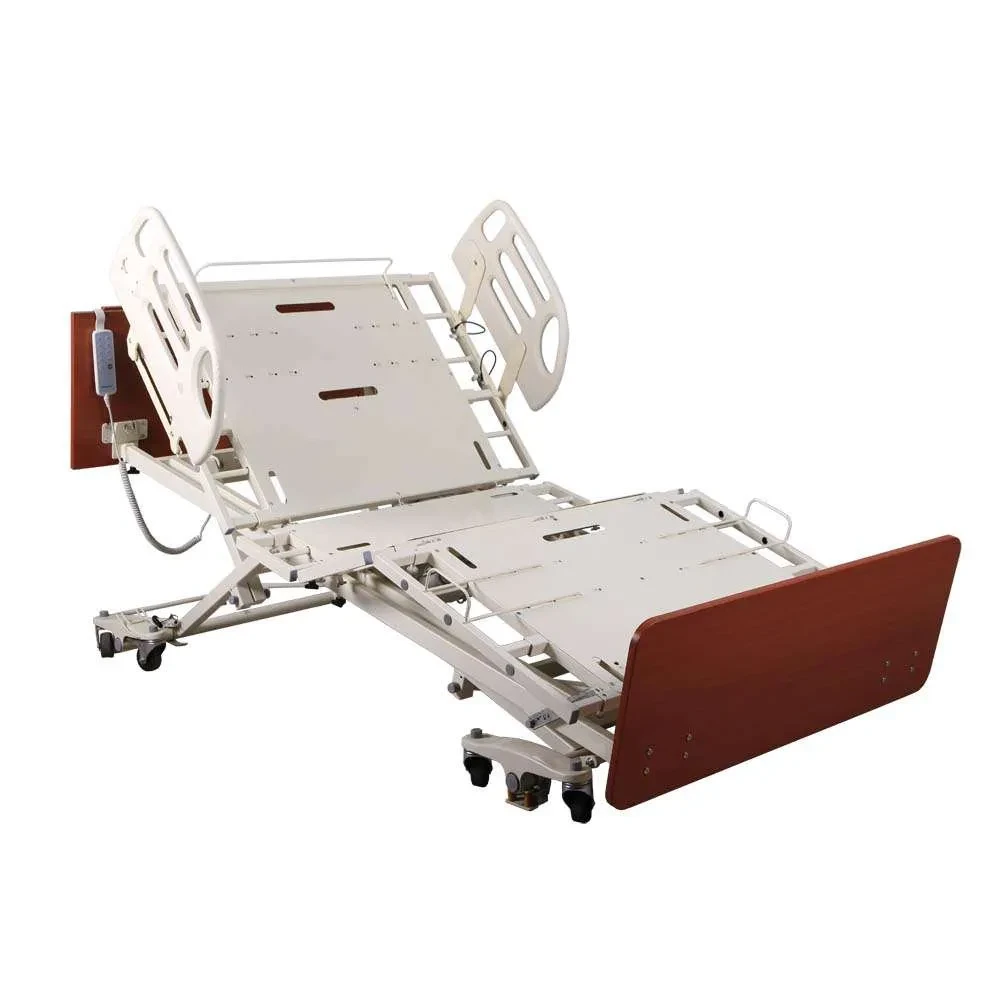

Hospital home care beds are essential for individuals requiring long-term care or recovering from medical procedures. Selecting the right bed involves considering various features to ensure comfort, safety, and functionality. Additionally, understanding insurance coverage and exploring trusted providers can greatly impact the overall experience. In this article, we’ll delve into the key features of looking for hospital beds for sale, the nuances of insurance coverage, and the benefits of obtaining one from a reputable dealer.
Features to Consider when Choosing a Hospital Home Care Bed
When choosing a hospital home care bed, several key features should be considered to ensure that the bed meets the patient’s specific needs. These features include adjustability, safety rails, mattress type, weight capacity, mobility, electronic controls, durability, additional features, ease of maintenance, and budget considerations. Each of these aspects plays a crucial role in providing optimal care and comfort for the patient.
Adjustability: Look for a bed that offers multiple adjustable features, such as the ability to raise or lower the head, foot, and overall height of the bed. This adjustability enhances comfort and facilitates various positions for the patient.
Safety Rails and Side Guards: Ensure that the bed is equipped with sturdy safety rails or side guards to prevent falls and provide support when the patient is getting in and out of bed.
Mattress Type: Consider the type of mattress included with the bed. Options may include foam, innerspring, or air mattresses. The right mattress can significantly impact comfort and pressure relief for the patient.
Weight Capacity: Check the weight capacity of the bed to ensure it accommodates the specific needs of the patient, especially if they require a bariatric bed with a higher weight capacity.
Mobility and Locking Wheels: If the bed needs to be moved within the home, consider beds with smooth-rolling and lockable wheels for easy mobility and stability when in use.
Electronic Controls: For electric beds, ensure that the controls are user-friendly and easily accessible for both the patient and caregiver. Smooth and quiet operation of electric functions is also important.
Durability and Build Quality: Assess the overall build quality and durability of the bed, including the materials used and the design of the bed frame.
Additional Features: Some advanced hospital home care beds may offer additional features such as integrated patient monitoring systems, automated turning functions, or built-in scales for weighing the patient.
Ease of Maintenance: Consider the ease of cleaning and maintaining the bed to ensure long-term functionality and hygiene.
Budget and Insurance Coverage: Evaluate the cost of the bed and whether it is covered by insurance or Medicare, as this can significantly impact the purchasing decision.
By carefully considering these features, individuals can make an informed decision when selecting a hospital bed for sale that best meets the needs of the patient and the caregiving environment.
Insurance Coverage for Home Care Beds
The coverage of home care beds by insurance plans is a critical consideration for individuals seeking financial assistance for this essential equipment. Depending on the insurance plan, individuals may be eligible for coverage. However, the process may involve various steps and considerations.
If there’s an urgent need for a home care bed, the process may be more lengthy. Typically, it would involve consulting with a doctor to obtain approval for the necessity of the bed and then submitting the required documents to the insurance provider. Subsequently, there may be a waiting period before a decision is made.
Additionally, depending on the healthcare plan, individuals might encounter co-pays and deductibles that need to be accounted for. It’s also crucial to note that insurance may only approve individuals for a specific bed, potentially limiting the available capabilities and features based on their guidelines.
However, if individuals are not specifically seeking a bed with advanced features and have the available time (typically 4–6 weeks), seeking insurance coverage for a home care bed can be a viable choice, especially considering the potential cost savings. Reviewing the insurance policy or consulting with the insurance provider to understand the specifics of coverage for home care beds and the associated requirements is advisable.
Trusted Providers: Ensuring Immediate Customer Service and Support
Another great option to consider is obtaining a home care bed from a trusted dealer and provider, such as Top Medical Mobility. Purchasing from a reputable and established supplier can provide immediate access to the best customer service in case of any issues or inquiries about warranties in the future. By choosing a reliable provider, individuals can gain peace of mind, knowing that dedicated support and assistance are available as needed, contributing to a positive overall experience with their home care bed.





























Sign in to leave a comment.