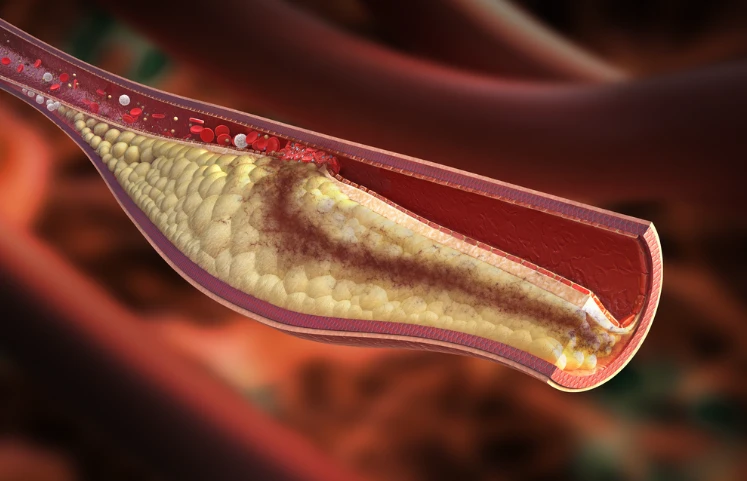

Hyperlipidemia is a common medical condition characterized by elevated levels of lipids, such as cholesterol and triglycerides, in the blood. It is a major risk factor for cardiovascular diseases, including heart attacks and strokes. High cholesterol, a type of hyperlipidemia, is a condition in which there is an excess of cholesterol in the bloodstream. This can lead to the formation of plaque in the arteries, narrowing them and impeding blood flow.
What is high cholesterol?
Cholesterol is a waxy substance produced by the liver and found in certain foods. It is necessary for the body to function properly, but when levels become too high, it can be detrimental to health. High cholesterol is often asymptomatic, meaning it does not cause noticeable symptoms in the early stages. However, over time, the buildup of cholesterol in the arteries can lead to serious health problems.
Causes and risk factors of hyperlipidemia
Hyperlipidemia can be caused by a variety of factors, including genetics, diet, lifestyle choices, and certain medical conditions. Some individuals may have a genetic predisposition to high cholesterol, while others may develop it as a result of poor dietary habits and sedentary lifestyles. Medical conditions such as diabetes, hypothyroidism, and kidney disease can also contribute to the development of hyperlipidemia.
Certain risk factors increase the likelihood of developing hyperlipidemia. These include obesity, smoking, a diet high in saturated and trans fats, lack of physical activity, and a family history of high cholesterol. Age and gender can also play a role, as cholesterol levels tend to increase with age and men are more likely to have higher cholesterol levels than premenopausal women.
Understanding the different types of hyperlipidemia
Hyperlipidemia is classified into various types based on the specific lipid abnormality. The most common types include:
Type I hyperlipidemia: Also known as familial chylomicronemia syndrome, this rare condition is characterized by extremely high levels of triglycerides due to the absence or dysfunction of an enzyme called lipoprotein lipase.Type IIa hyperlipidemia: This type is characterized by elevated levels of low-density lipoprotein (LDL) cholesterol, commonly known as "bad" cholesterol. It is often caused by a combination of genetic factors and unhealthy lifestyle choices.Type IIb hyperlipidemia: This type involves both elevated levels of LDL cholesterol and triglycerides. It is commonly associated with obesity, insulin resistance, and metabolic syndrome.Type III hyperlipidemia: Also known as dysbetalipoproteinemia, this type is characterized by increased levels of both cholesterol and triglycerides. It is often caused by a genetic mutation affecting the clearance of lipoproteins from the blood.Type IV hyperlipidemia: This type is characterized by elevated levels of triglycerides. It is commonly associated with obesity, insulin resistance, and metabolic syndrome.Type V hyperlipidemia: This type is characterized by elevated levels of both triglycerides and very low-density lipoprotein (VLDL) cholesterol. It is commonly associated with obesity, insulin resistance, and metabolic syndrome.Common symptoms of hyperlipidemia
In the early stages, hyperlipidemia often does not cause any noticeable symptoms. However, as the condition progresses, individuals may experience symptoms such as chest pain, shortness of breath, fatigue, heart palpitations, and yellowish deposits around the eyes. These symptoms may indicate the presence of underlying cardiovascular diseases, which can be a consequence of long-term untreated high cholesterol.
The importance of early diagnosis and treatment
Early diagnosis of hyperlipidemia is crucial for preventing the development of cardiovascular diseases. Routine blood tests, such as a lipid profile, can help identify elevated cholesterol levels. If diagnosed with hyperlipidemia, it is important to work closely with a healthcare professional to develop an appropriate treatment plan.
High cholesterol treatment options
There are various treatment options available for high cholesterol treatment, ranging from lifestyle changes to medications. The choice of treatment depends on the individual's cholesterol levels, overall health, and other risk factors. In many cases, a combination of treatments may be recommended to effectively manage high cholesterol.
Medications for hyperlipidemia
Medications are often prescribed to lower cholesterol levels in individuals with hyperlipidemia. The most commonly prescribed medications include statins, which work by blocking the liver's production of cholesterol. Other medications, such as bile acid sequestrants, fibrates, niacin, and cholesterol absorption inhibitors, may also be used to lower cholesterol levels. It is important to note that medications should always be used in conjunction with lifestyle changes for optimal results.
Lifestyle changes for managing hyperlipidemia
In addition to medications, lifestyle changes play a crucial role in managing hyperlipidemia. These include adopting a heart-healthy diet low in saturated and trans fats, increasing physical activity, maintaining a healthy weight, quitting smoking, and limiting alcohol consumption. These lifestyle modifications can help lower cholesterol levels and reduce the risk of cardiovascular diseases.
Finding the right hyperlipidemia doctor
When seeking treatment for hyperlipidemia, it is important to find the right healthcare professional who specializes in lipid disorders. A hyperlipidemia doctor, also known as a lipidologist, is a medical expert who focuses on diagnosing and managing lipid disorders, including high cholesterol. They have extensive knowledge and experience in the field and can provide specialized care tailored to the individual's needs.
In conclusion, hyperlipidemia, particularly high cholesterol, is a common condition that requires early diagnosis and effective treatment to prevent the development of cardiovascular diseases. Understanding the different types of hyperlipidemia, recognizing the risk factors, and adopting lifestyle changes are essential for managing this condition. Working closely with a healthcare professional, such as a hyperlipidemia doctor, can help individuals develop a personalized treatment plan that includes both medications and lifestyle modifications. By taking proactive steps, individuals with hyperlipidemia can effectively lower their cholesterol levels and improve their overall cardiovascular health.
To learn more about managing hyperlipidemia and finding the right hyperlipidemia doctor, please contact us today. +91 7970 108 108,




























Sign in to leave a comment.