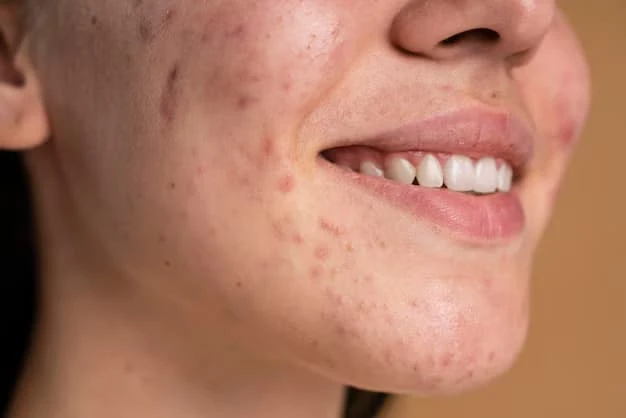

Hyperpigmentation is a common skin condition that manifests as darkened patches or spots on the skin, resulting from an excess production of melanin. While it is primarily a cosmetic concern, the emotional impact of hyperpigmentation can lead individuals to seek effective solutions to restore their skin’s natural tone. For residents of Cheshire, understanding hyperpigmentation, its causes, and available treatment options is crucial in managing this condition.
What is Hyperpigmentation?
Hyperpigmentation occurs when certain areas of the skin produce more melanin than usual, resulting in darker spots or patches. This condition can affect individuals of all skin types and is often more pronounced in those with darker skin tones. Hyperpigmentation can manifest in various forms, including age spots, melasma, and post-inflammatory hyperpigmentation, each with distinct causes and characteristics.
Age spots, also known as liver spots or solar lentigines, are flat brown or black spots that typically appear on sun-exposed areas of the skin. As individuals age, their skin may develop these spots due to prolonged sun exposure and natural aging processes.
Melasma is another form of hyperpigmentation that primarily affects women, often triggered by hormonal changes, such as those experienced during pregnancy or with the use of birth control pills. Melasma appears as symmetrical brown patches on the face, particularly on the cheeks, forehead, and upper lip.
Post-inflammatory hyperpigmentation occurs as a result of skin trauma or inflammation, such as acne, eczema, or injuries. This type of hyperpigmentation appears as darker spots in areas where the skin has healed after injury or inflammation.
Causes of Hyperpigmentation
Several factors can contribute to the development of hyperpigmentation. Sun exposure is one of the most significant triggers. Ultraviolet (UV) rays stimulate the production of melanin, leading to dark spots and uneven skin tone. Individuals in Cheshire should be particularly mindful of sun protection, as UV exposure can intensify hyperpigmentation.
Hormonal changes are another primary cause of hyperpigmentation. Conditions such as pregnancy, menopause, or the use of hormonal contraceptives can influence melanin production, leading to the development of melasma. This form of hyperpigmentation is often exacerbated by sun exposure, creating a cycle that can be challenging to break.
Additionally, certain medications and medical conditions can lead to hyperpigmentation. Some drugs, such as certain antibiotics or chemotherapy agents, may cause skin discoloration as a side effect. Furthermore, underlying medical conditions, such as Addison’s disease, can affect melanin production and result in hyperpigmentation.
The Emotional and Social Impact of Hyperpigmentation
While hyperpigmentation is primarily a cosmetic issue, its effects can extend to an individual’s emotional well-being. Many people with hyperpigmentation experience feelings of self-consciousness and embarrassment regarding their skin’s appearance. This can lead to increased anxiety and a decreased quality of life, as individuals may avoid social situations or limit their interactions due to concerns about their appearance.
For women, societal standards often place a premium on clear and even skin, making hyperpigmentation particularly distressing. The desire for flawless skin can lead individuals to invest time and money into various treatments, seeking to diminish the appearance of dark spots and restore their confidence.
Understanding the emotional toll of hyperpigmentation is essential for both individuals experiencing the condition and the professionals who provide treatment. A compassionate approach can help individuals navigate their feelings and empower them to seek appropriate solutions.
Diagnosis of Hyperpigmentation
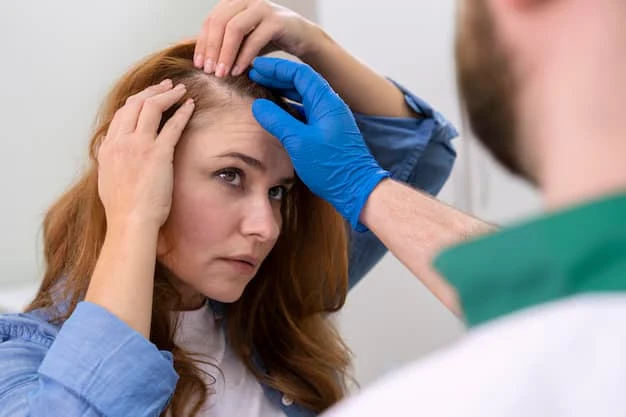
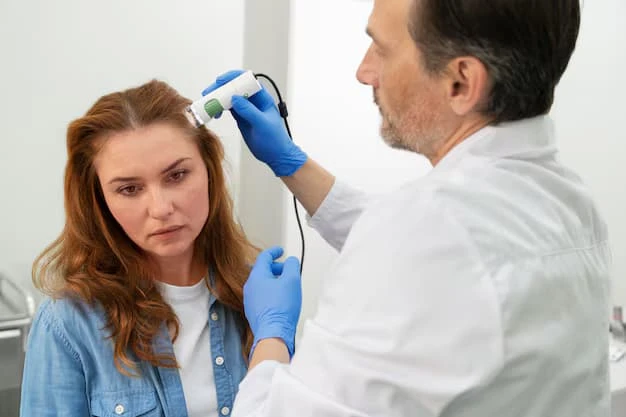
Diagnosing hyperpigmentation typically involves a thorough assessment by a qualified dermatologist. During the consultation, the dermatologist will review the individual’s medical history, lifestyle factors, and any previous skin conditions. A physical examination of the skin will help determine the type and cause of hyperpigmentation.
In some cases, additional tests may be conducted. A Wood’s lamp examination, which involves using ultraviolet light to inspect the skin, can help differentiate between various types of hyperpigmentation. This examination can provide valuable insights into the depth and extent of pigmentation, guiding treatment decisions.
Treatment Options for Hyperpigmentation
Fortunately, several treatment options are available for individuals seeking to address hyperpigmentation. The choice of treatment often depends on the type and severity of pigmentation, as well as individual preferences and skin type.
Topical Treatments
One of the most common approaches to treating hyperpigmentation is the use of topical treatments that contain skin-lightening agents. Ingredients such as hydroquinone, kojic acid, and retinoids are frequently used to inhibit melanin production and promote skin cell turnover. These treatments can help fade dark spots over time and create a more even skin tone.
Additionally, products containing vitamin C and niacinamide can provide antioxidant benefits and enhance skin brightness. These ingredients work to reduce the appearance of hyperpigmentation while improving overall skin health.
Chemical Peels
Chemical peels are another effective treatment option for hyperpigmentation. During a chemical peel, a solution is applied to the skin, causing the outer layer to exfoliate and reveal fresh, new skin underneath. This process can help diminish the appearance of dark spots and improve skin texture. Different types of peels are available, ranging from superficial to deeper peels, allowing for customized treatment based on individual needs.
Laser Treatments
Laser therapy has gained popularity as a method for addressing hyperpigmentation. Various laser technologies, such as fractional laser and intense pulsed light (IPL), can target and break down melanin in the skin. These treatments stimulate collagen production and promote skin regeneration, leading to a more even skin tone.
While laser treatments can yield significant results, it is essential for individuals to consult with a qualified practitioner to determine the most appropriate option based on their skin type and pigmentation concerns.
Microneedling
Microneedling is another innovative treatment that can help reduce hyperpigmentation. This procedure involves using fine needles to create micro-injuries in the skin, stimulating the body’s natural healing response. As the skin heals, new collagen and elastin are produced, which can improve skin texture and tone while reducing the appearance of dark spots.
Preventive Measures
In addition to treatments, preventive measures can help individuals minimize the risk of developing hyperpigmentation. Sun protection is paramount; wearing broad-spectrum sunscreen daily can shield the skin from harmful UV rays and prevent further darkening of existing spots. Additionally, wearing protective clothing and seeking shade during peak sun hours can further reduce exposure.
Maintaining a consistent skincare routine that includes gentle exfoliation and moisturizing can also support skin health and minimize the risk of pigmentation issues. Staying hydrated and consuming a balanced diet rich in antioxidants can contribute to overall skin vitality.
Conclusion
In conclusion, hyperpigmentation in Cheshire is a prevalent skin condition that affects many individuals. By understanding its causes, effects, and available treatment options, individuals can take proactive steps toward managing their skin health. The emotional impact of hyperpigmentation should not be overlooked, and seeking support from qualified professionals can help individuals navigate their concerns with compassion and understanding. For those interested in exploring treatment options for hyperpigmentation, Este Medical Group Cheshire offers expert consultations and personalized plans tailored to individual needs, empowering individuals to achieve clearer and healthier skin.



























Sign in to leave a comment.