Introduction
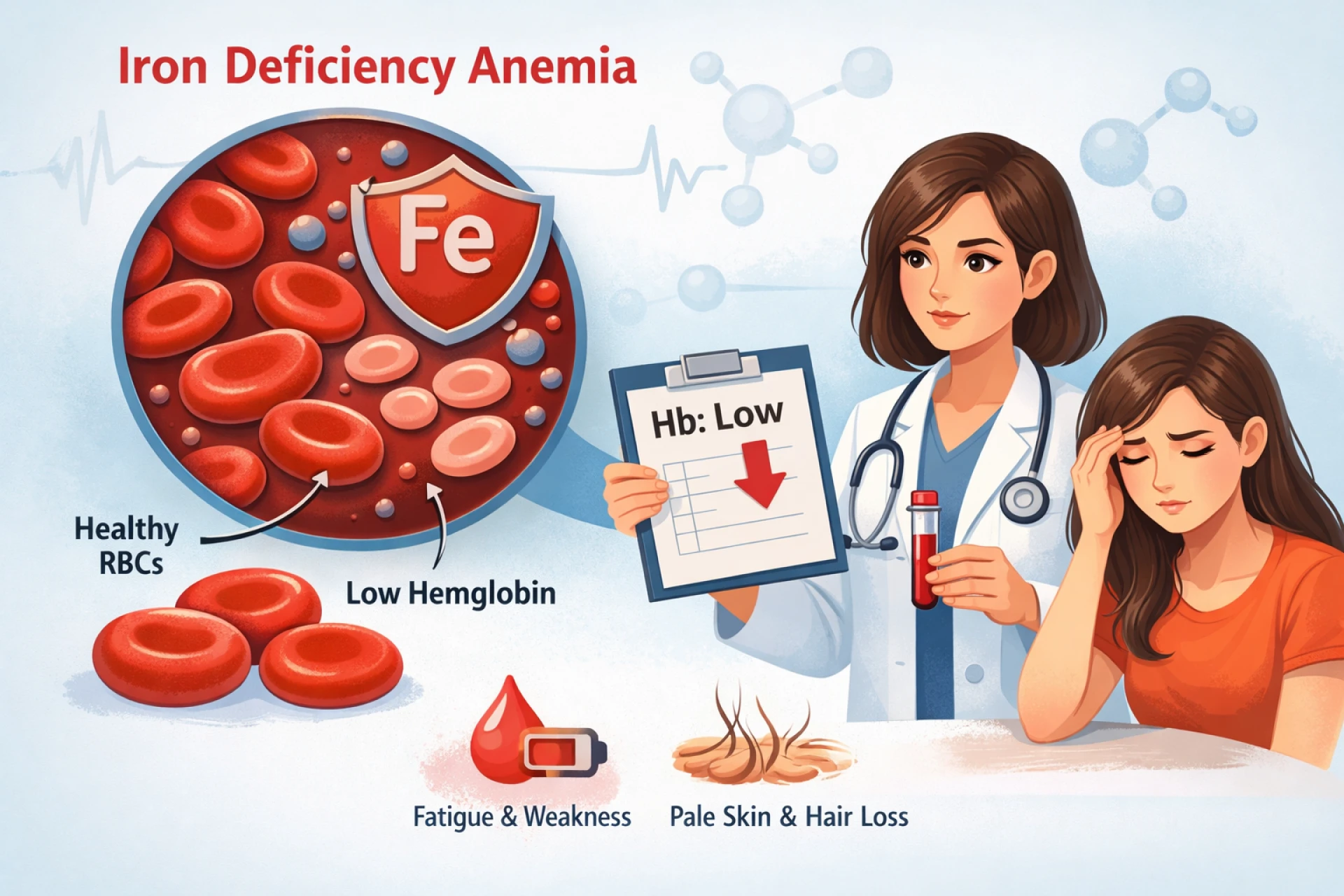
Iron deficiency anemia is one of the most common nutritional disorders worldwide, especially affecting women, children, and young adults. It occurs when the body does not have enough iron to produce adequate hemoglobin, the protein in red blood cells responsible for carrying oxygen to tissues. When iron levels are low, oxygen delivery decreases, leading to fatigue and other health complications.
This condition is particularly common in developing countries due to poor dietary intake, increased nutritional demands, and chronic blood loss.
Causes of Iron Deficiency Anemia
Iron deficiency anemia can develop due to several reasons:
1. Inadequate Iron Intake
A diet lacking in iron-rich foods such as green leafy vegetables, meat, legumes, and fortified cereals can lead to deficiency.
2. Increased Iron Requirement
Pregnancy, adolescence, and periods of rapid growth increase the body's demand for iron.
3. Blood Loss
Chronic blood loss due to:
- Heavy menstrual bleeding
- Gastrointestinal bleeding
- Peptic ulcers
- Hookworm infestation
can gradually deplete iron stores.
4. Poor Iron Absorption
Conditions such as celiac disease, inflammatory bowel disease, or gastric surgeries may reduce iron absorption.
Symptoms of Iron Deficiency Anemia
Symptoms can vary depending on the severity of anemia but commonly include:
- Fatigue and weakness
- Pale skin and mucous membranes
- Shortness of breath
- Dizziness or headache
- Palpitations
- Brittle nails
- Hair fall
- Reduced concentration
In severe cases, patients may experience chest pain or fainting episodes.
Diagnosis
Iron deficiency anemia is diagnosed using laboratory investigations such as:
- Complete Blood Count (CBC)
- Low hemoglobin levels
- Low serum ferritin
- Reduced serum iron
- Increased total iron-binding capacity (TIBC)
Peripheral blood smear may show microcytic hypochromic red blood cells.
Treatment
1. Dietary Management
Iron-rich foods include:
- Green leafy vegetables (spinach, kale)
- Pulses and lentils
- Dates, jaggery
- Red meat and liver
- Eggs
- Iron-fortified cereals
Vitamin C enhances iron absorption and should be taken along with iron-rich meals.
2. Iron Supplementation
- Oral iron therapy (ferrous sulfate, ferrous fumarate)
- Taken for at least 3–6 months to replenish stores
- Parenteral iron in cases of malabsorption or intolerance
3. Treatment of Underlying Cause
Managing heavy menstrual bleeding, treating parasitic infections, or addressing gastrointestinal issues is essential for long-term recovery.
Prevention
- Balanced diet with adequate iron intake
- Iron supplementation during pregnancy
- Regular deworming in endemic areas
- Screening high-risk groups
Conclusion
Iron deficiency anemia is a preventable and treatable condition when diagnosed early. Awareness, proper nutrition, and timely treatment play a crucial role in reducing its burden. With appropriate intervention, individuals can regain normal hemoglobin levels and improve their quality of life.

























Sign in to leave a comment.