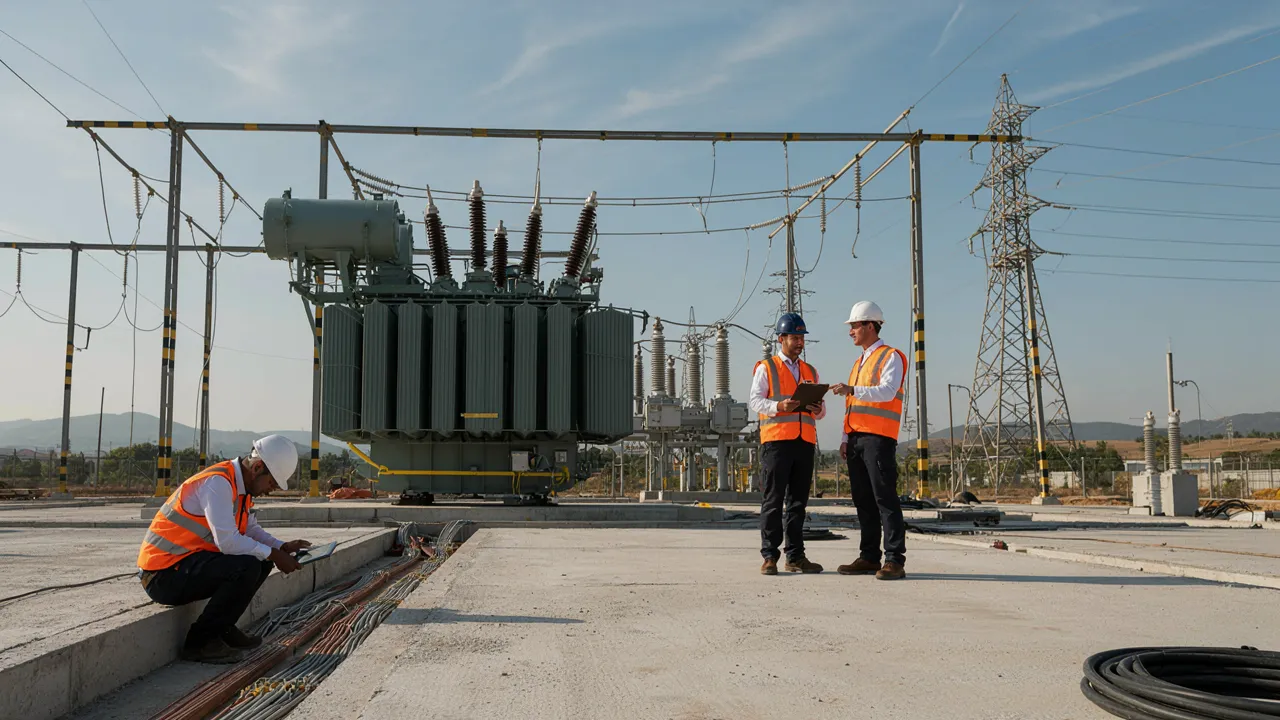

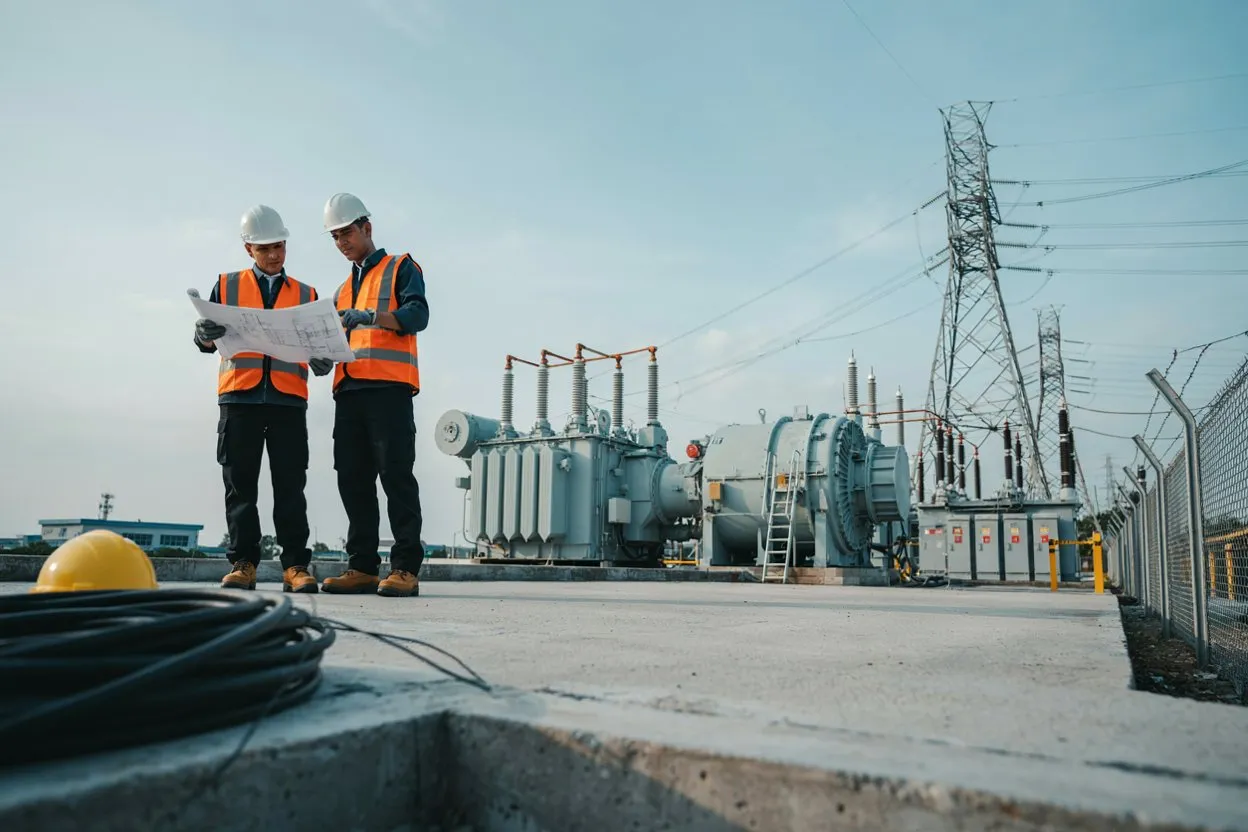
High-voltage substations are essential components of modern electrical networks. They connect generation facilities, transmission lines, and distribution systems while enabling electricity to be transformed, controlled, protected, and delivered safely. As power demand increases and grids become more complex, substation projects require more than simply installing transformers and switchgear. Successful HV substation construction depends on careful engineering, accurate planning, quality materials, safety management, and thorough testing.
Modern substations must also accommodate renewable generation, increasing transmission capacity, digital monitoring, stricter reliability requirements, and changing grid conditions. Understanding how these facilities are planned and constructed provides valuable insight into what makes a high-voltage electrical installation safe, efficient, and dependable.
1. Planning and Engineering Come First
Every successful high-voltage substation construction project begins with detailed engineering and planning. Before physical construction starts, engineers evaluate the electrical requirements, site conditions, transmission connections, equipment ratings, environmental factors, and applicable standards.
The design process may include load flow studies, short-circuit analysis, protection coordination, grounding studies, insulation coordination, and other power system assessments. These studies help determine how the substation will perform under normal operating conditions as well as during faults and abnormal events.
Civil and structural requirements are also considered during the planning stage. Engineers need to evaluate soil conditions, drainage, access roads, equipment foundations, control buildings, cable trenches, fencing, and site grading.
A well-developed engineering plan reduces construction changes and helps prevent costly problems later in the project.
2. Selecting and Integrating High-Voltage Equipment
Equipment selection is one of the most important aspects of substation construction engineering. High-voltage equipment must be properly rated for the expected voltage, current, fault levels, environmental conditions, and operating requirements.
Typical substation equipment includes:
- Power transformers
- Circuit breakers
- Disconnect switches
- Current transformers and voltage transformers
- Surge arresters
- Busbars and conductors
- Protective relays
- Control and metering systems
- Battery and DC systems
- Communication and automation equipment
Engineers must ensure that individual components work together as an integrated system. For example, circuit breakers and protective relays need to coordinate correctly so that a fault can be isolated quickly without unnecessarily disconnecting healthy portions of the network.
Modern projects may also incorporate digital protection, SCADA, automation, and communication systems, allowing operators to monitor equipment and respond to grid conditions more efficiently.
3. Civil Construction and Site Development
Once engineering requirements are established, physical site development can begin. Civil work provides the foundation on which the electrical infrastructure depends.
Site preparation may involve grading, excavation, drainage installation, road construction, foundation work, and underground utility installation. Equipment foundations must be designed to withstand mechanical loads, environmental conditions, and equipment-specific requirements.
Control buildings and relay rooms also require careful construction. These facilities house protection, control, communication, battery, and monitoring equipment and therefore need suitable environmental and electrical protection.
Cable trenches and underground conduits must be carefully planned to accommodate control, protection, communication, and power cables. Proper separation and routing can reduce interference and simplify future maintenance.
Good civil construction is not merely about creating a suitable site. It establishes the physical reliability and accessibility of the entire substation.
4. Electrical Installation and Protection Systems
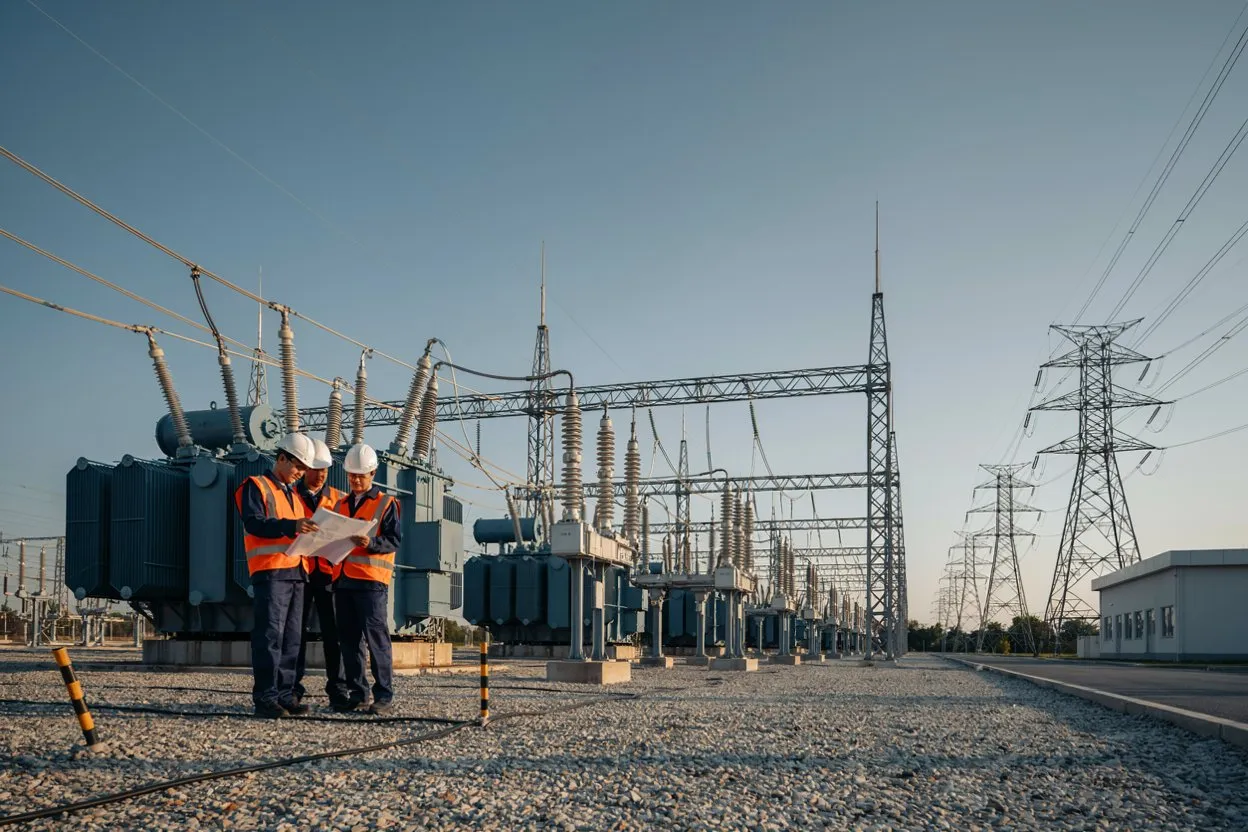
After major civil works are completed, electrical installation brings the substation design together. Transformers, breakers, switches, busbars, instrument transformers, grounding systems, and other components are installed according to approved engineering drawings and specifications.
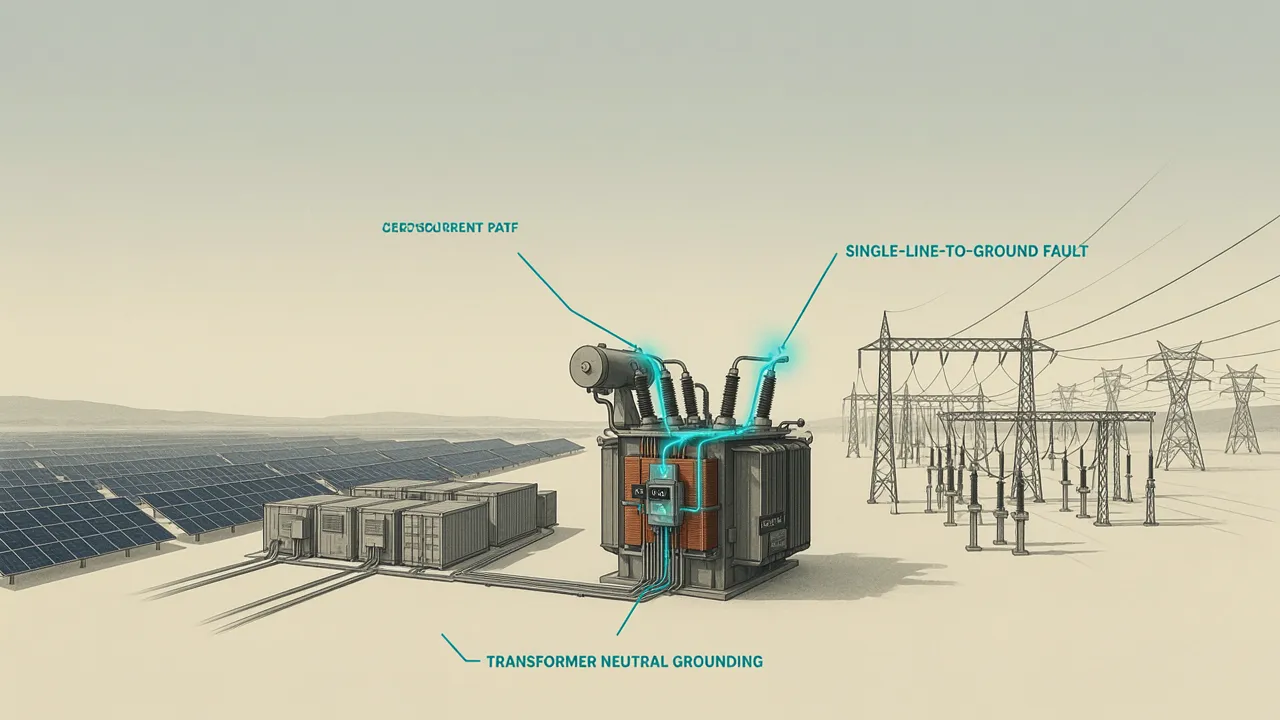
The grounding system is particularly important in high-voltage facilities. A properly designed grounding network helps control dangerous touch and step voltages and provides a safe path for fault currents.
Protection systems are equally critical. Relays and associated equipment continuously monitor electrical conditions and can initiate breaker operations when abnormal conditions are detected. Modern protection schemes may include differential protection, distance protection, overcurrent protection, breaker failure protection, and other specialized functions.
During installation, careful attention must be given to cable termination, equipment alignment, conductor clearances, labeling, torque requirements, and connection quality. Small installation errors can create significant operational problems after energization.
5. Testing, Commissioning, and Safety
Testing and commissioning are essential stages of HV substation construction. Before a substation is energized, engineers and technicians verify that equipment and systems operate according to their intended specifications.
Testing can include transformer testing, circuit breaker testing, insulation resistance measurements, instrument transformer verification, grounding system checks, relay testing, control circuit verification, and communication system testing.
Protection settings also need to be reviewed and tested to confirm that the correct equipment will operate during fault conditions. Functional testing helps verify that protection, control, alarms, interlocks, and automation systems operate together as intended.
Safety remains a priority throughout construction and commissioning. High-voltage facilities present significant electrical and mechanical hazards, so appropriate procedures, clearances, personal protective equipment, grounding practices, and access controls are essential.
A structured commissioning process provides confidence that the substation is ready for reliable operation before it is connected to the energized grid.
6. Modernization, Digitalization, and Long-Term Reliability
Today's high-voltage substation construction projects increasingly focus on long-term performance rather than simply completing the initial installation. Digital technologies are changing how substations are monitored, controlled, and maintained.
Modern facilities may use intelligent electronic devices, digital relays, automated control systems, condition monitoring, remote communications, and SCADA platforms. These technologies can provide operators with valuable information about equipment status and system conditions.
Substation design must also consider future expansion. Space for additional transformers, transmission connections, equipment bays, and communication infrastructure can make future upgrades easier and more cost-effective.
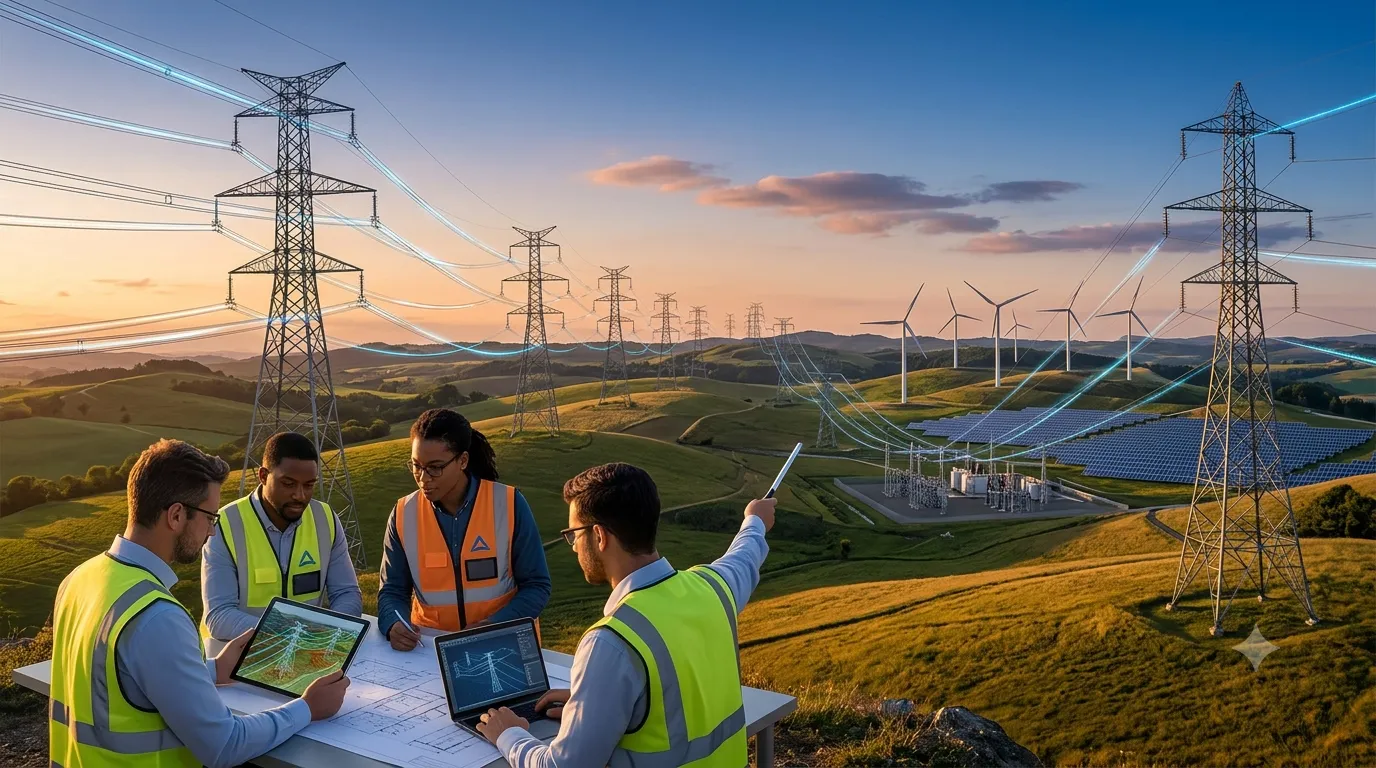
Renewable energy integration is another important consideration. Solar, wind, battery storage, and other distributed or utility-scale resources can introduce new operating requirements, making flexible and well-engineered substations increasingly important.
Ultimately, effective substation construction engineering combines electrical design, civil engineering, equipment expertise, safety practices, automation, and project management. When these elements are coordinated from the beginning, the result is a substation capable of supporting a reliable and resilient power network for years to come.
For utilities, developers, and energy infrastructure owners, investing in proper engineering and construction practices is not simply about meeting project requirements. It is about building electrical infrastructure that can safely handle today's demands while remaining adaptable to tomorrow's evolving grid.






















Sign in to leave a comment.