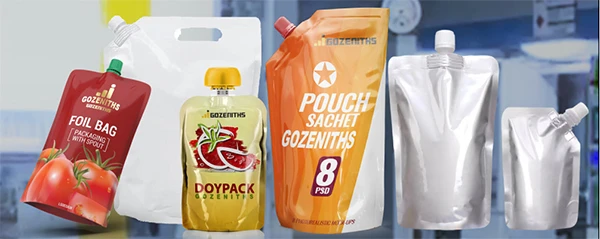

In the evolving landscape of packaging, sustainability has become a paramount concern for consumers and businesses alike.
Among the various eco-friendly packaging options, mono-PE (polyethene) bags have emerged as a significant innovation.
These bags, composed entirely of polyethene, offer a range of benefits that align with modern environmental goals. This article explores the features, advantages, applications, and environmental impact of mono-PE bags.
What Are Mono-PE Bags?
Mono-PE bags are made from a single type of plastic—polyethene. Polyethylene is one of the most widely used plastics globally, known for its versatility, durability, and recyclability.
Mono-PE bags are designed to be fully recyclable, addressing the complexities and challenges associated with multi-material packaging that often complicates recycling processes.
Features of Mono-PE Bags
Single Material Composition: As the name suggests, mono-PE bags are composed of only polyethene. This simplifies the recycling process since there is no need to separate different materials.
Durability: Polyethylene is a robust material that provides excellent strength and resistance to tears and punctures. This makes mono-PE bags suitable for a variety of applications, from carrying groceries to packaging industrial products.
Lightweight: Despite their strength, mono-PE bags are lightweight, which reduces shipping costs and the overall carbon footprint associated with transportation.
Flexibility: Polyethylene can be easily moulded into different shapes and sizes, allowing for customized packaging solutions to meet specific needs.
Barrier Properties: These bags offer good barrier properties against moisture and gases, protecting the contents from external factors that could compromise quality.
Advantages of Mono-PE Bags
Recyclability: One of the primary advantages of mono-PE bags is their recyclability. Since they are made from a single type of plastic, they can be recycled more efficiently compared to multi-layer or composite materials.
Environmental Impact: By promoting the use of recyclable materials, mono-PE bags help reduce the amount of plastic waste that ends up in landfills and oceans. Their recyclability also supports a circular economy, where materials are reused and repurposed rather than discarded.
Cost-Effective: The production and recycling processes for polyethene are well-established and cost-effective. This makes mono-PE bags an economically viable option for businesses looking to adopt sustainable practices.
Compliance with Regulations: Many regions are introducing stricter regulations on packaging materials, particularly focusing on recyclability and environmental impact. Mono-PE bags help companies comply with these regulations, avoiding potential fines and enhancing their corporate responsibility profiles.
Consumer Appeal: As consumers become more environmentally conscious, they are increasingly favouring brands that prioritize sustainability. Using mono-PE bags can improve a company's brand image and appeal to eco-minded customers.
Applications of Mono-PE Bags
Retail and Grocery: Mono-PE bags are commonly used in retail settings, particularly in grocery stores, for carrying produce and other items. Their durability and lightweight nature make them ideal for this purpose.
Food Packaging: These bags are used to package a variety of food products, including snacks, frozen foods, and fresh produce. Their barrier properties help preserve the freshness and quality of the food.
E-commerce and Shipping: In the e-commerce sector, mono-PE bags are used for packaging and shipping products. Their strength ensures that items arrive in good condition, while their recyclability aligns with the sustainability goals of many online retailers.
Industrial Use: Mono-PE bags are also used in industrial applications for packaging bulk materials and components. Their resistance to punctures and tears makes them suitable for heavy-duty use.
Personal Care and Pharmaceuticals: The pharmaceutical and personal care industries use mono-PE bags for packaging products like medicines, cosmetics, and hygiene items. The bags provide protection from contamination and extend the shelf life of the products.
Environmental Impact of Mono-PE Bags
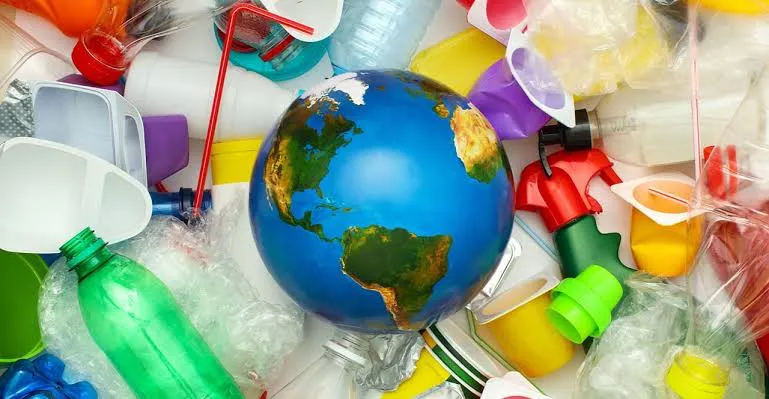
The environmental impact of packaging materials is a critical consideration in the fight against plastic pollution. Mono-PE bags offer several environmental benefits:
Reduction in Plastic Waste: By being fully recyclable, mono-PE bags help reduce the volume of plastic waste that ends up in landfills. This contributes to decreased pollution and a cleaner environment.
Support for Circular Economy: Mono-PE bags are part of the circular economy model, which aims to keep materials in use for as long as possible. This reduces the need for virgin plastic production and minimizes environmental degradation.
Energy and Resource Efficiency: The production and recycling of polyethylene are relatively energy-efficient processes. Using mono-PE bags reduces the demand for energy and raw materials, further decreasing their environmental footprint.
Lower Greenhouse Gas Emissions: Compared to some other types of packaging, the lifecycle of polyethene bags—from production to recycling—generates fewer greenhouse gas emissions. This helps mitigate climate change by reducing the overall carbon footprint.
Minimization of Microplastics: Mono-PE bags, when properly recycled, are less likely to break down into microplastics that contaminate water bodies and soil. This is a significant advantage in protecting marine and terrestrial ecosystems.
Challenges and Future Directions
While mono-PE bags present numerous benefits, there are challenges to their widespread adoption:
Recycling Infrastructure: Effective recycling of mono-PE bags requires robust recycling infrastructure. In many regions, such infrastructure is still developing, which can hinder the efficient recycling of these bags.
Consumer Behavior: Encouraging consumers to properly recycle mono-PE bags is crucial. Public awareness campaigns and convenient recycling options are needed to ensure that these bags are disposed of correctly.
Competition with Other Materials: Mono-PE bags compete with other sustainable packaging options, such as biodegradable and compostable materials. Each material has its own advantages and trade-offs, and the best choice often depends on specific use cases and regional recycling capabilities.
Looking to the future, ongoing advancements in material science and recycling technologies are likely to enhance the performance and sustainability of mono-PE bags.
Innovations such as improved barrier properties, increased use of recycled content, and enhanced recyclability will further solidify their role in sustainable packaging solutions.
Conclusion
Mono-PE bags represent a promising step toward more sustainable packaging practices. Their single-material composition, recyclability, and versatility make them an attractive option for various industries.
As the world continues to grapple with plastic pollution and environmental degradation, the adoption of mono-PE bags can contribute to a more sustainable future.
By supporting a circular economy and reducing the environmental impact of packaging, mono-PE bags play a crucial role in the global effort to protect our planet.

























Sign in to leave a comment.