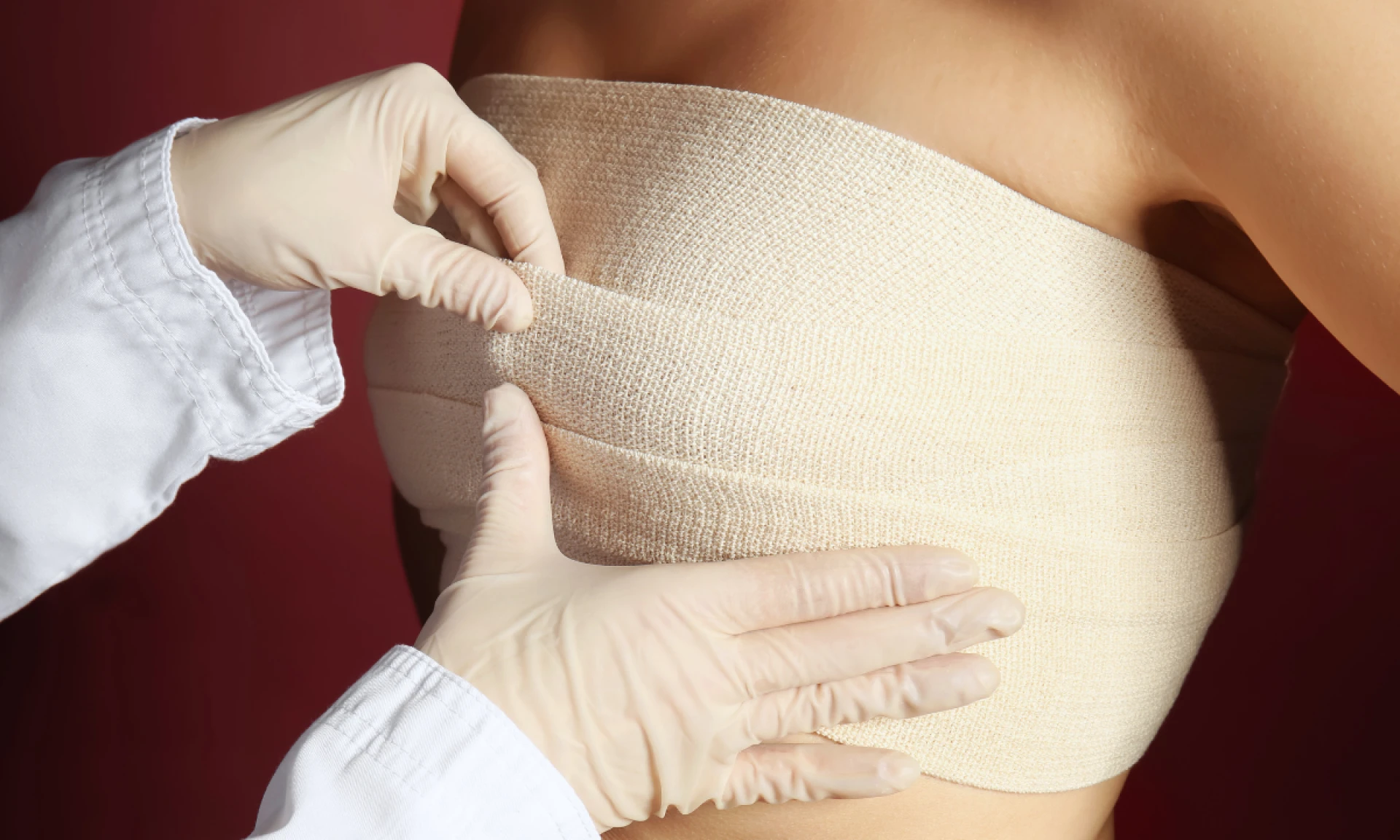

Introduction to Nipple Sensitivity After Augmentation
Breast Augmentation is one of the most requested cosmetic procedures today, but there is one topic many patients are especially curious about, nipple sensitivity. Whether it increases, decreases, becomes temporarily numb, or gradually returns to normal, changes in sensation are common. Understanding how and why these changes happen helps patients feel more prepared for their breast transformation. This article breaks down the experience in simple words, offering clarity and confidence for anyone considering the procedure.

What Breast Augmentation Means for Sensation
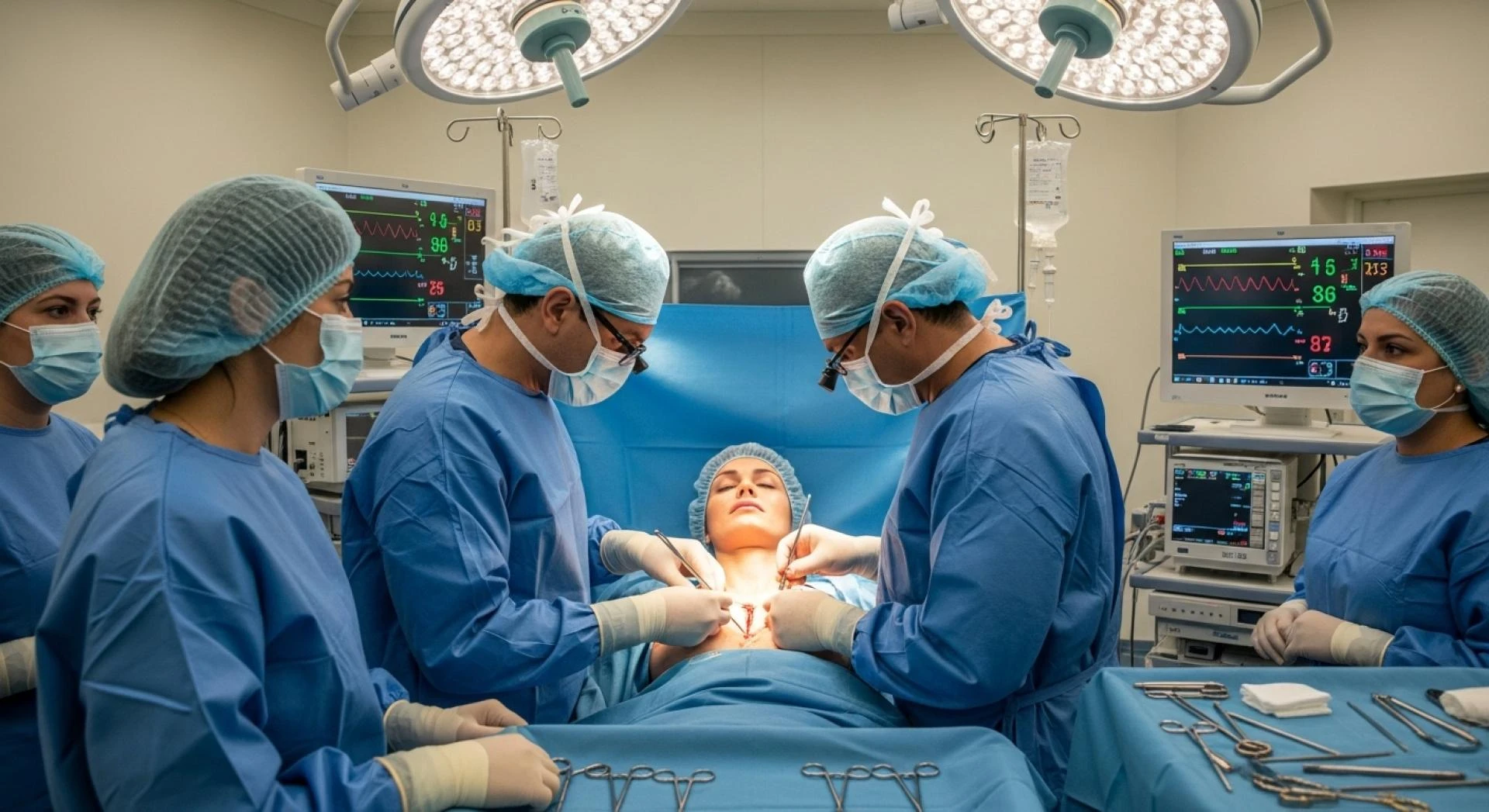
Breast augmentation involves placing implants behind breast tissue or muscle. While the procedure focuses on enhancing size and shape, it may also cause temporary changes in nipple sensation. This happens because nerves that supply feeling to the nipple and areola can be stretched, irritated, or compressed during surgery. Most of the time, these changes are temporary, but the experience varies from person to person.
Why Nipple Sensation Changes After Surgery
Understanding Nerve Pathways
The nerves responsible for nipple feeling come mainly from the fourth intercostal nerve. During implant placement, especially with larger implants, these nerves may experience pressure. This pressure can lead to reduced sensitivity, increased sensitivity, or tingling sensations.
Healing Takes Time
Nerves heal slowly. For many patients, it takes weeks to months before sensation becomes normal again. In rare cases, it may take longer, depending on body type, implant size, and surgical technique.
Types of Sensation Changes Patients Experience
Temporary Numbness
Some women experience numbness around the nipple and areola. This is usually the result of swelling or nerve stretching.
Heightened Sensitivity
A few patients notice their nipples become more sensitive than usual. This can feel uncomfortable in the first few weeks but often improves with healing.
Tingling or Electric Feelings
These sensations are signs of nerve recovery. They are usually harmless and indicate that the body is repairing itself.
Gradual Return to Normal Feeling
Most women regain natural feeling within a few months, though timelines may vary.
Factors Influencing Nipple Sensation After Surgery
Implant Size Matters
Larger implants stretch the tissues more, increasing the chance of temporary sensation changes. Smaller implants are less likely to affect nerves.
Placement of the Implant
Under the muscle may reduce nerve disruption.
Over the muscle may cause slightly more pressure depending on tissue thickness.
Incision Site
Incisions that pass near nerve pathways, such as around the areola, may bring more noticeable changes compared to under-breast incisions.
Individual Anatomy
Some patients naturally have more sensitive nerves, while others have thicker tissue that protects sensation better.
How Long Do Sensation Changes Last?
Short-Term Timeline
In the first week or two, swelling is at its highest. This can cause numbness or heightened sensation.
Medium-Term Healing
Within two to three months, most women experience a return of normal feeling as swelling reduces and nerves begin to settle.
Long-Term Results
For the majority, final sensation returns in six to twelve months. Only a small number experience longer-lasting changes.
Ways to Support Nerve Recovery After Surgery
Follow Surgeon Instructions
Your surgeon’s directions are designed to protect tissues, manage swelling, and encourage healthy nerve healing.
Gentle Massage (If Approved)
Light breast and areola massage, only when your surgeon allows, can ease tightness and support return of feeling.
Avoid Excess Pressure
Avoid sleeping on your stomach or wearing tight bras early in recovery, as these can increase nerve irritation.
Healthy Habits
Staying hydrated, eating nutritious food, and avoiding smoking all promote better healing.
Can Nipple Sensitivity Become Permanent?
Most sensation changes are temporary. Permanent changes are rare and often linked to extreme implant sizes, unique anatomy, or complex surgeries. Skilled clinics like beautifulbeings take extra steps to protect nerve pathways and use careful techniques that reduce risk.
Breastfeeding Concerns Related to Sensitivity
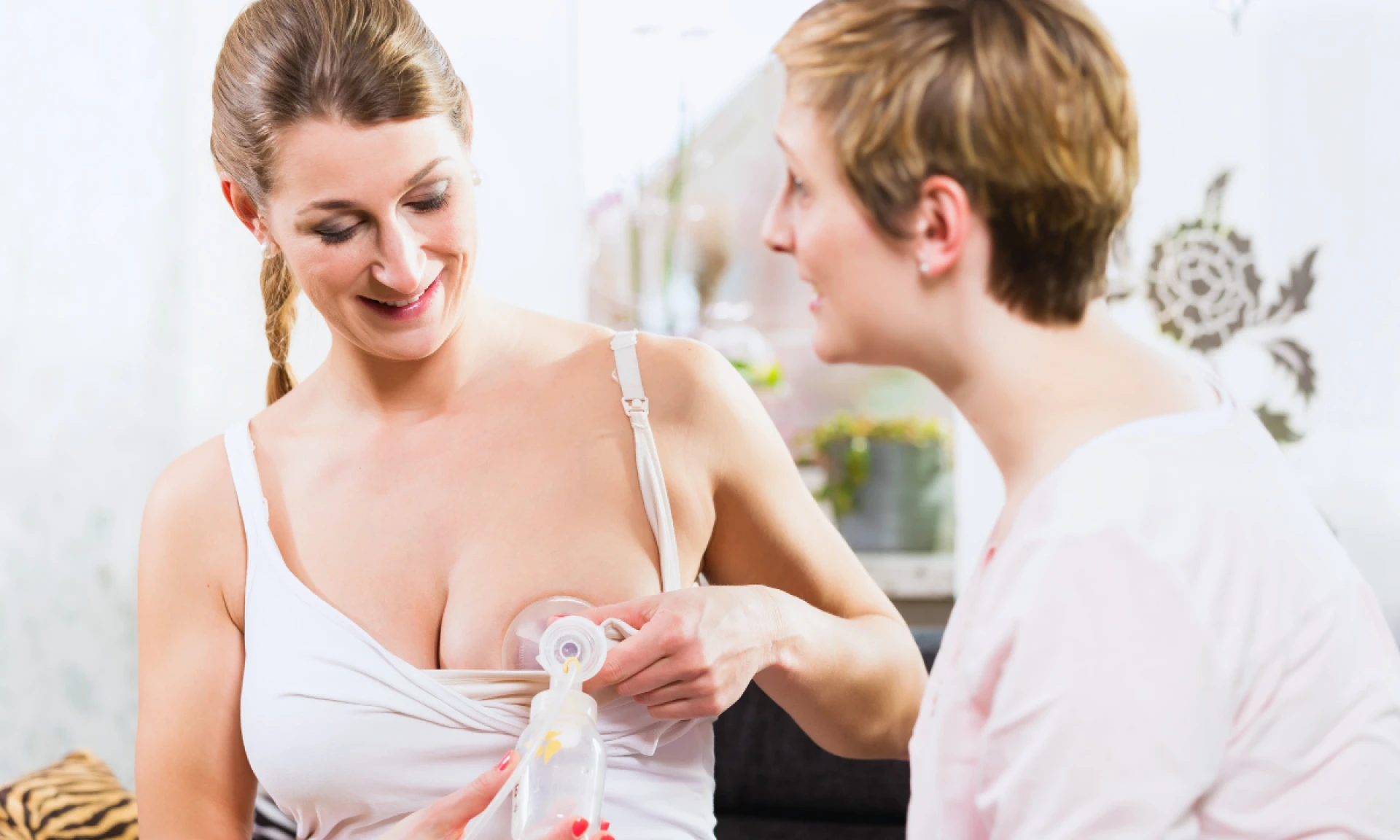
Many women worry about the effect of Breast Augmentation on future breastfeeding. Most patients are still able to breastfeed normally. Nipple sensitivity changes do not usually affect milk ducts or glands. However, incision placement plays a role, and it’s important to discuss breastfeeding plans with your surgeon.
Does Implant Type Affect Sensation?
Silicone Implants
Soft and natural-feeling, these often have less impact on sensation due to smoother placement.
Saline Implants
These may feel firmer and could stretch tissue differently, but their effect on nerves is similar to silicone in most cases.
Gummy-Bear Implants
Known for their shape stability, these implants tend to have predictable results and rarely cause nerve issues.
The implant type does not drastically change the risk of sensitivity changes but may slightly affect tissue pressure.
Tips for Managing Sensitivity Discomfort
Wear Soft Clothing
Light, loose, cotton fabrics can help reduce irritation during phases of heightened sensitivity.
Use Nipple Shields
If nipples feel overly sensitive, soft gel shields can create a comfortable barrier.
Avoid Hot Showers Early On
Heat can intensify sensitivity. Lukewarm water is better during early recovery.
Patience and Understanding
Nerve healing is slow, but changes usually improve with time.
When to Contact Your Surgeon
While mild sensation changes are normal, you should call your surgeon if you experience:
- Severe pain
- Unusual discharge
- Sudden sharp loss of sensation months after surgery
- High fever or unusual swelling
These signs may indicate complications that need attention.
Benefits of Understanding Sensitivity Changes Before Surgery
Better Emotional Preparedness
Knowing what to expect allows patients to stay calm during recovery.
Realistic Expectations
Clear knowledge reduces fear and helps patients feel more confident in their choice.
Improved Communication
You’re better equipped to share concerns and goals during consultations.
Greater Trust in the Process
Understanding the body’s healing timeline builds patience and reassurance.
Choosing a Skilled Surgeon for the Best Outcomes
Experience Matters
Surgeons with expertise handle tissue gently and reduce nerve disruption.
Consultation Quality
Good surgeons will answer all questions in detail, including nipple sensitivity concerns.
Review Before-and-After Results
This helps you understand consistency and the surgeon’s style.
Clinic Reputation
Select a clinic known for safety, patient care, and transparent communication.
Your Comfort Matters Throughout the Journey
Every body responds differently to breast augmentation. Sensation changes can feel unusual, but in most cases, they improve naturally and do not affect long-term comfort. With proper care, understanding, and a skilled surgeon, this journey can be smooth and rewarding.
Frequently Asked Questions
1. Is nipple sensitivity loss normal after breast augmentation?
Yes, it is common and usually temporary.
2. How long does it take for nipple feeling to return?
Most sensation returns within three to six months, sometimes up to a year.
3. Can sensitivity increase instead of decrease?
Yes, some women experience heightened feeling during nerve healing.
4. Does the incision type affect nipple sensitivity?
Areola incisions may increase the chance, while under-breast incisions often reduce risk.
5. Will breast augmentation affect breastfeeding?
Most women can breastfeed normally after the procedure.
6. Should I worry if my nipples feel numb?
Not usually. Numbness is a common part of recovery.


























Sign in to leave a comment.