


In Australia, ensuring workplace safety is a national priority, and this responsibility is regulated through comprehensive legislation and enforcement mechanisms. The term occupational health and safety (OHS) encompasses the systems, policies, and procedures designed to prevent work-related injuries, illnesses, and fatalities. For businesses, understanding OHS obligations is not only about compliance but also about cultivating a safe, productive, and legally sound work environment.
This article explains the foundations of Australia’s OHS regulations, key responsibilities of employers and employees, and how the law operates across different states and territories.
The Legal Framework of OHS in Australia
Australian OHS laws are structured through a combination of federal and state-based legislation. In 2011, Safe Work Australia developed a model Work Health and Safety (WHS) Act, designed to harmonize laws across jurisdictions. While most states adopted this model law, enforcement still lies at the state and territory level.
Each region has its own regulatory authority. For example:
- SafeWork NSW oversees OHS in New South Wales
- WorkSafe Victoria governs the Victorian system
- WorkSafe WA operates in Western Australia
- SafeWork SA is the authority for South Australia
The model legislation includes the WHS Act, WHS Regulations, and Codes of Practice, forming the foundation of modern Australian OHS.
Key Duties of Employers Under OHS Law
Under the WHS framework, every business or employer has a legal obligation to ensure the health and safety of workers and others in the workplace, so far as is reasonably practicable. This includes:
● Providing a Safe Working Environment
Employers must maintain clean, hazard-free work areas and ensure adequate ventilation, lighting, and hygiene.
● Conducting Risk Assessments
Employers are expected to identify potential hazards, evaluate their risks, and implement control measures to eliminate or reduce those risks.
● Training and Supervision
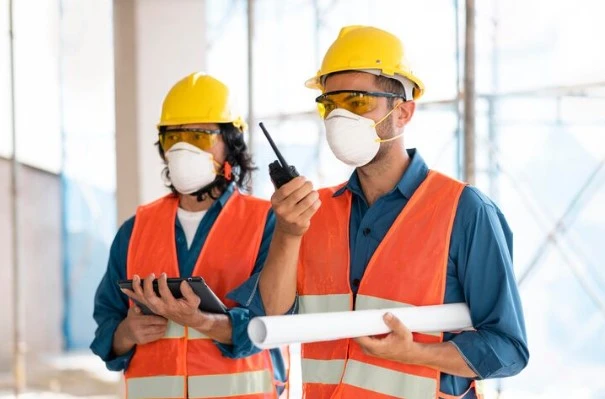
Providing workers with proper safety training, PPE (personal protective equipment), and adequate supervision is legally required.
● Reporting Incidents
All serious injuries, illnesses, and dangerous occurrences must be reported to the regulatory authority without delay.
● Consultation
Employers are required to consult with workers about matters that affect their health and safety—either directly or via elected health and safety representatives.
Responsibilities of Workers
The law also places duties on employees. Workers are expected to:
- Take reasonable care of their own health and safety
- Not adversely affect the health and safety of others
- Comply with any reasonable instruction or procedure given by the employer
- Use PPE and other safety equipment properly
OHS compliance is a shared responsibility between management and the workforce.
Penalties for Non-Compliance
Failure to comply with OHS laws can result in severe consequences:
- Financial penalties for businesses and individuals
- Enforceable undertakings, which are binding agreements to remedy violations
- Prosecutions leading to court-imposed sanctions, including imprisonment for severe breaches involving negligence or recklessness
Regulators conduct regular inspections and audits to ensure compliance. They may issue improvement notices, prohibition notices, or initiate legal proceedings where appropriate.
Inspection and Enforcement Practices
Each regulatory authority has the power to conduct site inspections—scheduled or unannounced. These inspections assess:
- Hazard control measures
- Staff training records
- Emergency preparedness
- Incident reporting systems
- Compliance with relevant codes and regulations
Officers may also interview workers, review procedures, and test safety equipment during these visits.
In jurisdictions like South Australia, these inspections are directly tied to the work health and safety act sa, which outlines how businesses must respond to risks and manage compliance. It reinforces the importance of preventative practices and formal documentation of safety measures.
Building a Culture of Workplace Safety
Going beyond compliance, many Australian businesses are investing in a positive safety culture. This includes:
- Safety leadership training for managers
- Integrating health and safety into operational strategy
- Incentive programs for reporting hazards and incidents
- Mental health and wellbeing programs as part of OHS
Cultivating this culture not only reduces incidents but also improves employee morale, retention, and productivity.
Final Thoughts
Understanding the structure and expectations of occupational health and safety in Australia is essential for both businesses and workers. While legislation like the work health and safety act sa outlines minimum compliance requirements, truly effective workplace safety comes from commitment, communication, and continuous improvement.
By prioritizing health and safety as a core business value, companies not only meet their legal obligations but also create environments where employees thrive and risks are actively minimized.





























Sign in to leave a comment.