
Powder coating is a cutting-edge finishing process that has revolutionized the world of surface treatments. Unlike traditional wet paint, powder coating offers a durable, eco-friendly alternative for coating metal and other materials. This blog delves into the intricacies of powder coating, exploring its process, benefits, and applications.
What is Powder Coating?
Powder coating is a dry finishing process that involves applying a fine, electrostatically charged powder to a surface. The powder particles adhere to the surface and are then heated in a curing oven, creating a durable and even coating. Unlike liquid paint, powder coating does not require solvents, making it an environmentally friendly option.
The Powder Coating Process
The powder coating process involves several steps to ensure a flawless and long-lasting finish:
- Surface Preparation:
- Blasting is often used to clean and roughen the metal surface, ensuring the powder adheres properly.
- Chemical stripping may also be employed to remove old coatings or contaminants.
- Application:
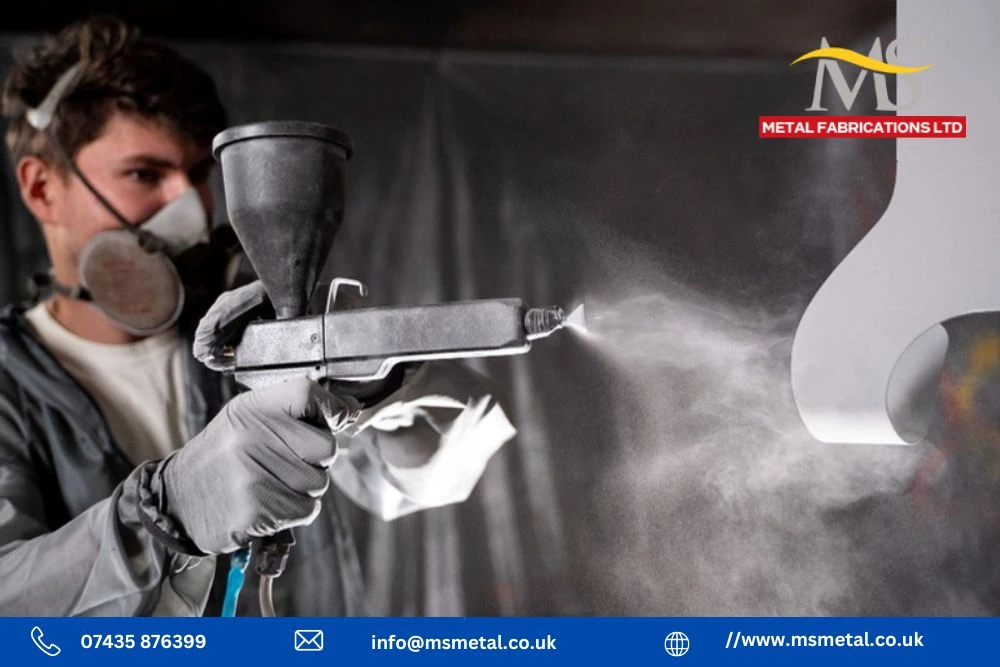
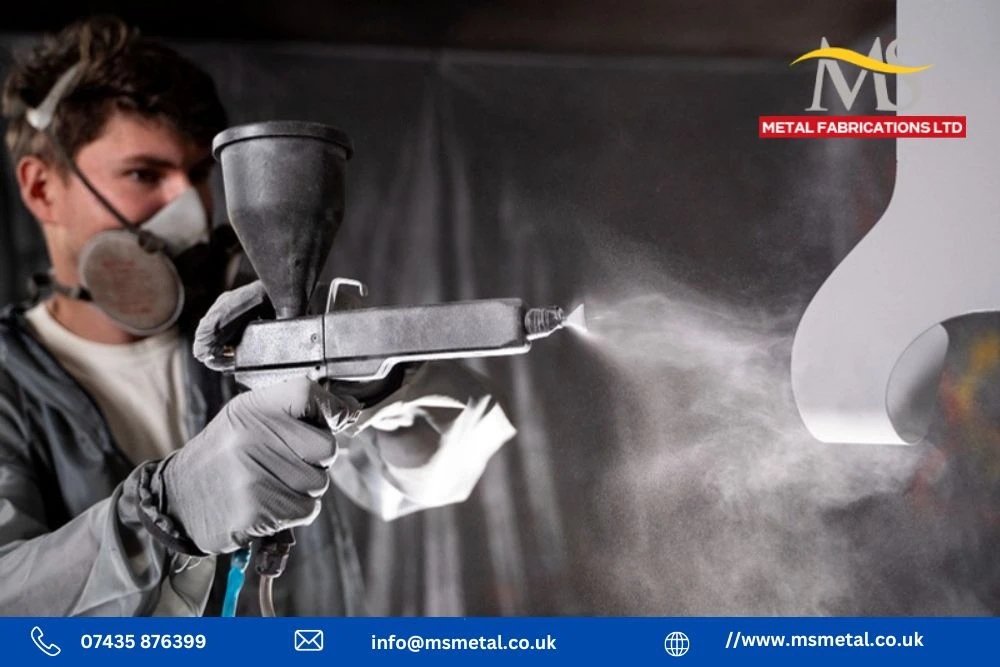
- A spray gun is used to apply the powder particles electrostatically to the substrate. The charged powder ensures even coverage.
- Curing:
- The coated item is placed in a curing oven, where heat causes the powder particles to fuse, forming a thick and uniform coating.
- Inspection:
- The finished product is inspected for consistency, gloss level, and overall appearance.
Types of Powder Coatings
Powder coatings come in various types, tailored to specific needs and applications:
- Thermoplastic Coatings: These coatings can be remelted and reshaped, offering excellent chemical resistance and durability.
- Polyester Powder Coating: Known for its UV resistance, this type is ideal for outdoor applications such as coating aluminium and steel.
- Epoxy Coatings: These provide superior corrosion resistance, making them suitable for industrial applications.
Advantages of Powder Coating
Powder coating offers numerous benefits over traditional wet painting and other finishing techniques:
- Durability:
- The powder coat finish is highly resistant to chipping, scratching, and wear, ensuring a long lifespan for the coated surface.
- Environmentally Friendly:
- Unlike wet paint, powder coatings contain no volatile organic compounds (VOCs), reducing environmental impact.
- Cost-Effective:
- The efficiency of the powder coating process minimizes waste, leading to cost savings.
- Versatility:
- Powder coating can be used on a variety of materials, including metal, aluminium, and even certain plastics.
- Aesthetic Appeal:
- With a wide range of powder coating colours and gloss levels, it’s easy to achieve the desired appearance.
Applications of Powder Coating
Powder coating is used across diverse industries, thanks to its adaptability and robustness:
- Automotive: Alloy wheels and other vehicle parts are often powder coated for enhanced durability and corrosion resistance.
- Construction: Powder coating metal components like steel beams ensures longevity and a polished appearance.
- Consumer Goods: From household appliances to furniture, powder coatings provide a sleek and durable finish.
- Industrial Equipment: The chemical resistance of powder coatings makes them ideal for heavy-duty machinery.
Powder Coating vs. Wet Paint
While both methods aim to protect and enhance the appearance of surfaces, powder coating has distinct advantages over wet paint:
- Thicker Coating: Powder coating allows for a thicker, more uniform coat without running or sagging.
- Environmentally Friendly: Unlike liquid paint, powder coatings do not rely on solvents, eliminating harmful emissions.
- Durability: Powder coating provides superior resistance to wear and corrosion.
Specialized Techniques in Powder Coating
Modern powder coating work includes innovative techniques to meet unique requirements:
- Dual-Coat Applications: For enhanced durability and aesthetics, a base coat of powder is often followed by a topcoat of clear powder.
- Texture and Gloss: Different gloss levels and textures can be achieved to match specific design preferences.
Maintaining Powder Coated Surfaces
To extend the lifespan of powder coated surfaces:
- Regular Cleaning:
- Use mild soap and water to clean the surface without damaging the coating.
- Avoid Harsh Chemicals:
- Harsh solvents and abrasive materials can compromise the integrity of the coating.
- Periodic Inspection:
- Regularly check for signs of wear or damage, addressing issues promptly.
Powder Coating Industry Trends
The powder coating industry is continually evolving, with advancements in technology and sustainability. Emerging trends include:
- Eco-Friendly Solutions: Manufacturers are focusing on reducing the environmental footprint of powder coatings.
- Enhanced Performance: Innovations in powder chemistry are leading to improved corrosion resistance and chemical resistance.
- Custom Powder Coating Solutions: Tailored solutions for specific applications are becoming more prevalent.
Choosing the Right Powder Coating Service
When selecting a powder coating service, consider the following:
- Expertise: Look for a service with experience in handling diverse materials and finishes.
- Equipment: A well-equipped powder coating plant ensures consistent and high-quality results.
- Reputation: Check reviews and testimonials to gauge the reliability of the powder coater.
Conclusion
Powder coating is an innovative and versatile finishing process that offers unparalleled durability, aesthetics, and environmental benefits. From protecting alloy wheels to enhancing the gloss of consumer goods, the applications of powder coating are virtually limitless. As the industry continues to grow and evolve, powder coating remains the gold standard for high-quality, eco-friendly surface finishes.
FAQs
What is powder coating?
Powder coating is a dry finishing process that applies electrostatically charged powder particles to a surface, which are then cured with heat to form a durable, uniform coating. It is an eco-friendly alternative to traditional liquid paint.
How much for powder coating wheels?
The cost of powder coating alloy wheels can vary depending on the size, design, and chosen powder coating service. Typically, prices range from £50 to £100 per wheel.
How much is powder coating wheels?
Powder coating alloy wheels generally cost between £50 and £100 per wheel, depending on factors like the type of finish and the complexity of the design.
How to do powder coating?
Powder coating involves preparing the surface through blasting or chemical stripping, applying powder with a spray gun, curing in an oven to fuse the powder particles, and inspecting the final finish for quality.
How much powder coating wheels?
The cost of powder coating wheels usually starts at around £50 per wheel and can go up to £100, depending on the service provider and specific requirements.
For durable, eco-friendly powder coating, trust Ms Metal Fabrication Ltd, experts in high-quality finishes for automotive, construction, and industrial applications.























Sign in to leave a comment.