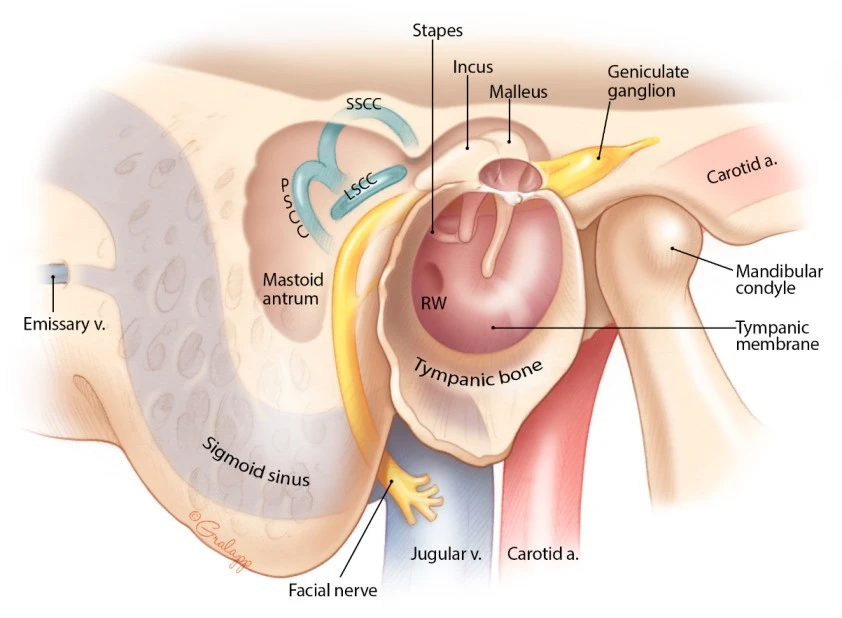

Pulsatile tinnitus is a unique form of tinnitus where the affected individual hears a rhythmic sound that often matches their heartbeat. Unlike the more common continuous or ringing tinnitus, pulsatile tinnitus involves hearing sounds such as whooshing, thumping, or throbbing. This condition can be particularly distressing, as the persistent rhythmic noise can significantly affect one’s quality of life. Understanding the causes, symptoms, diagnosis, and treatment options for pulsatile tinnitus is crucial for effective management and relief. In the UK, the NHS provides a comprehensive framework for diagnosing and managing this condition.
What is Pulsatile Tinnitus?
Pulsatile tinnitus differs from regular tinnitus in that it is often related to blood flow disturbances. The sound is usually due to changes in blood flow in the vessels near the ears. These changes can be caused by various underlying conditions, including high blood pressure, turbulent blood flow, ear infections, or vascular tumors. Unlike non-pulsatile tinnitus, which is typically associated with damage to the auditory system, pulsatile tinnitus often has a physical, identifiable cause. This makes it potentially easier to diagnose and treat, provided the underlying issue is addressed.
Causes of Pulsatile Tinnitus
Pulsatile tinnitus can arise from a variety of causes, many of which are linked to cardiovascular issues. High blood pressure is a common culprit, as it can lead to increased blood flow and turbulence in the arteries near the ear. Atherosclerosis, or the buildup of fatty deposits in the arteries, can also contribute by narrowing the blood vessels and altering blood flow. Other potential causes include head and neck tumors, which can press on blood vessels and disrupt normal circulation, and abnormal connections between arteries and veins, known as arteriovenous malformations. Infections and inflammations of the middle ear can also result in pulsatile tinnitus by causing changes in blood flow and pressure within the ear.
Diagnosing Pulsatile Tinnitus
Diagnosing pulsatile tinnitus typically involves a thorough medical history and physical examination. Doctors often start by listening to the neck and head with a stethoscope to detect any abnormal sounds that might indicate turbulent blood flow. Imaging studies, such as MRI or CT scans, are frequently used to get a detailed view of the blood vessels and tissues around the ear. Doppler ultrasound can also be helpful in assessing blood flow and detecting any abnormalities. In some cases, angiography might be required to provide a detailed map of the blood vessels. The goal of these diagnostic procedures is to identify any underlying conditions that could be causing the pulsatile tinnitus, allowing for targeted treatment.
Treatment Options for Pulsatile Tinnitus
Treatment for pulsatile tinnitus focuses on addressing the underlying cause. For cases linked to high blood pressure, lifestyle changes and medications to control blood pressure can be effective. If atherosclerosis is the cause, treatments might include cholesterol-lowering drugs, diet modifications, and exercise. In cases where tumors or vascular malformations are responsible, surgical intervention may be necessary to remove or repair the problematic tissue. Antibiotics and anti-inflammatory medications can help if the tinnitus is due to an infection. For those with persistent symptoms that do not respond to treatment, sound therapy, cognitive behavioral therapy, and other supportive measures can help manage the condition and improve quality of life.
Living with Pulsatile Tinnitus
Living with pulsatile tinnitus can be challenging, but several strategies can help manage the condition and reduce its impact. Stress management techniques, such as yoga and meditation, can help reduce the perception of tinnitus by lowering overall stress levels. Maintaining a healthy lifestyle, including regular exercise and a balanced diet, can improve cardiovascular health and potentially reduce symptoms. Avoiding stimulants like caffeine and nicotine, which can exacerbate tinnitus, is also beneficial. Joining support groups or counseling can provide emotional support and practical advice from others who experience the same condition. The NHS offers various resources and support services to help individuals cope with pulsatile tinnitus and improve their quality of life.
Conclusion
Pulsatile tinnitus, though less common than other forms of tinnitus, can significantly impact one’s life due to its rhythmic, often distressing nature. Understanding the causes, seeking prompt and accurate diagnosis, and exploring effective treatment options are crucial steps in managing this condition. The NHS provides comprehensive care and resources for individuals suffering from pulsatile tinnitus, ensuring they receive the necessary support and treatment. By addressing underlying health issues and adopting lifestyle changes, individuals can significantly reduce their symptoms and improve their overall well-being. If you suspect you have pulsatile tinnitus, consult with a healthcare provider to explore the best course of action for your specific situation. Click Here



























Sign in to leave a comment.