
At Nephcure, our mission is to educate, advocate, and support patients and families affected by rare kidney diseases. These conditions can be complex and often require specialized care and attention. By translating insights from blog article transcripts into approachable, patient-friendly content, Nephcure helps families understand the causes, symptoms, and treatment options for rare kidney conditions.
In this article, we’ll explore three important topics: igan treatment, infantile nephrotic syndrome symptoms, and kidney membranous nephropathy. Together, these conditions highlight the importance of early recognition, proactive care, and ongoing research in improving patient outcomes.
Why Education Matters in Rare Kidney Diseases
Rare kidney diseases can be silent in the early stages, with subtle or easily overlooked symptoms. Understanding these conditions helps patients and caregivers:
- Identify warning signs and symptoms early
- Seek timely evaluation and treatment
- Make informed decisions about care
- Advocate effectively with healthcare providers
At Nephcure, we believe that informed patients and families are empowered to take an active role in their health journey.
IgA Nephropathy: Approaches to Treatment
What Is IgA Nephropathy?
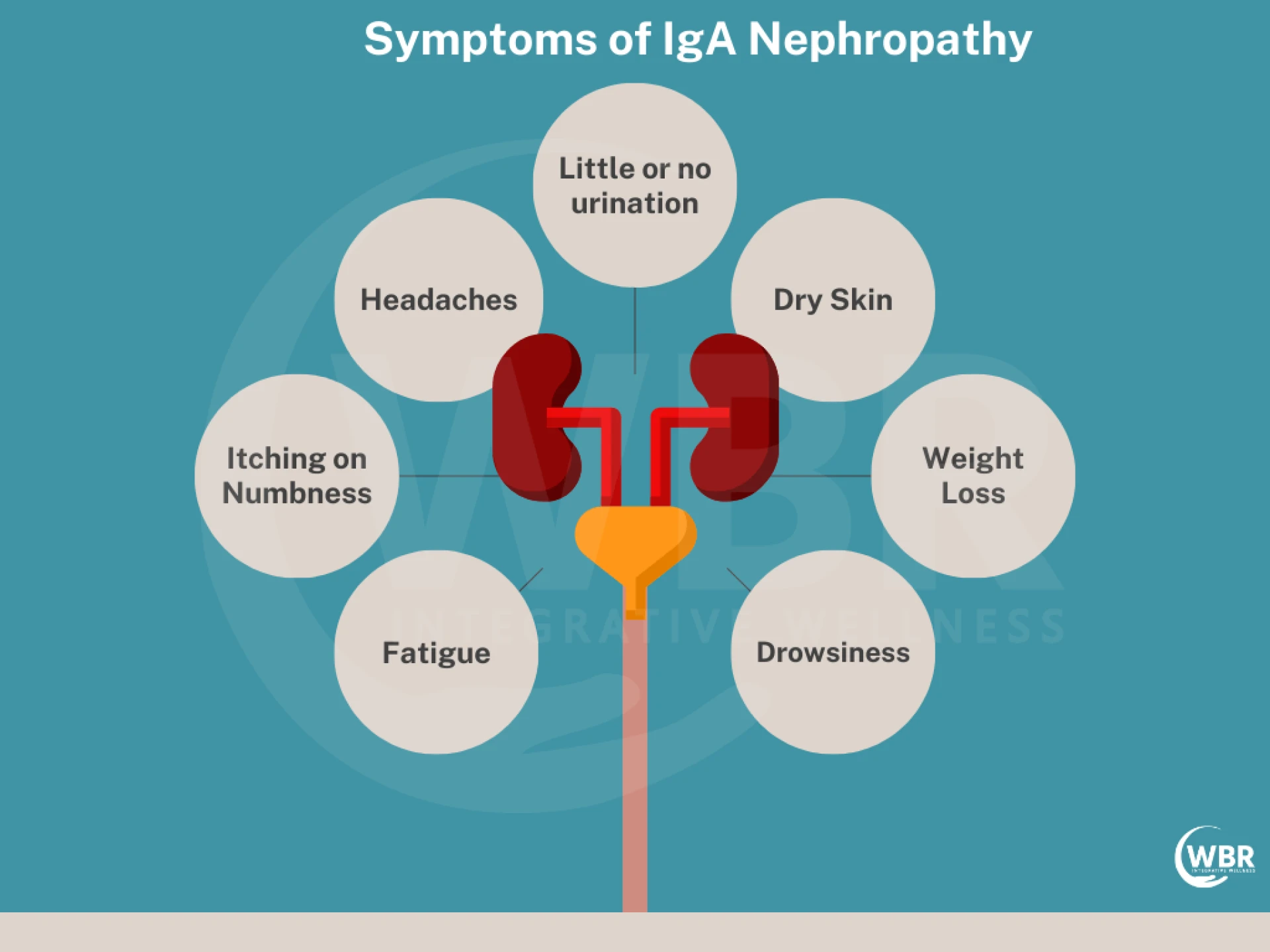
IgA nephropathy (IgAN) is a kidney disease caused by the buildup of immunoglobulin A (IgA) in the kidney’s filtering units, known as glomeruli. This buildup triggers inflammation and can gradually impair kidney function.
Understanding igan treatment
Igan treatment focuses on slowing disease progression, managing symptoms, and reducing kidney inflammation. Because IgAN can vary in severity, treatment is highly individualized.
Key strategies in igan treatment include:
- Blood pressure management: Protects kidney filtration
- Medications to reduce proteinuria: Helps prevent further kidney damage
- Lifestyle modifications: Healthy diet and controlled salt intake
- Immune-targeted therapies: Used in select cases to manage inflammation
- Regular monitoring: Tracking kidney function through blood and urine tests
Early and consistent care can help patients maintain kidney function and improve quality of life.
Infantile Nephrotic Syndrome: Recognizing Symptoms
What Is Infantile Nephrotic Syndrome?
Infantile nephrotic syndrome is a rare kidney disorder that appears in the first year of life. It is characterized by heavy protein loss in the urine due to impaired kidney filtration.
Key infantile nephrotic syndrome symptoms
Identifying infantile nephrotic syndrome symptoms early is essential for effective management. Symptoms may include:
- Swelling in the face, abdomen, or legs
- Foamy or frothy urine caused by excess protein
- Poor weight gain or growth delays
- Increased susceptibility to infections
- Low energy or irritability
Early detection allows healthcare providers to implement supportive care strategies that protect kidney function and support healthy development.
Kidney Membranous Nephropathy: An Overview
What Is Kidney Membranous Nephropathy?
Kidney membranous nephropathy is a kidney disorder characterized by thickening of the glomerular basement membrane, which can lead to protein leakage into the urine and potential kidney damage over time. This condition is most common in adults but can affect patients at different ages.
Managing kidney membranous nephropathy
Treatment strategies for kidney membranous nephropathy depend on the severity of proteinuria and the patient’s overall kidney function. Management may include:
- Medications to control blood pressure and reduce protein loss
- Immune-suppressing therapies for patients with progressive disease
- Supportive care: Diet, fluid management, and lifestyle modifications
- Close monitoring: Routine labs to track kidney function and protein levels
Timely intervention can slow disease progression and prevent complications, helping patients maintain better kidney health over the long term.
Shared Themes Across These Kidney Conditions
Although igan treatment, infantile nephrotic syndrome symptoms, and kidney membranous nephropathy represent distinct kidney diseases, they share several common themes:
- Early recognition and intervention are critical for better outcomes
- Proteinuria is a key symptom across many kidney conditions
- Genetic and immune system factors often play a role
- Ongoing monitoring and care are essential for long-term kidney health
Nephcure provides resources and education to help patients and families navigate these complex conditions with confidence.
Living With Rare Kidney Disease
Patients and families affected by rare kidney diseases face unique medical and emotional challenges. Support strategies can include:
- Accessing educational resources for better understanding of the disease
- Maintaining open communication with healthcare providers
- Joining support groups and patient communities
- Staying informed about research and emerging treatment options
Nephcure is committed to providing comprehensive support to ensure families feel informed, empowered, and less isolated throughout their care journey.
Nephcure’s Commitment to Research and Advocacy
At Nephcure, we are dedicated to raising awareness, supporting research, and providing resources for rare kidney diseases. By educating the community about igan treatment, infantile nephrotic syndrome symptoms, and kidney membranous nephropathy, we empower patients and families to make informed decisions and advocate for themselves.
Our work includes:
- Supporting patient-centered research initiatives
- Providing accessible educational resources
- Advocating for improved treatment options
- Building communities for peer support and knowledge sharing
Final Thoughts
Rare kidney diseases may be complex and challenging, but early recognition, informed treatment, and ongoing support can make a meaningful difference. Understanding igan treatment, infantile nephrotic syndrome symptoms, and kidney membranous nephropathy empowers patients and families to take control of their care.
Nephcure remains dedicated to education, advocacy, and hope—because informed patients are empowered patients, and awareness today shapes a healthier future for all.



























Sign in to leave a comment.