
Introduction
Heating, ventilation, and air conditioning (HVAC) systems are crucial for maintaining comfort in homes year-round. Among the various types available, split system HVAC units are popular for their efficiency and effectiveness. In this guide, we’ll explore what split system HVACs are, how they work, and why they might be the best choice for your home.
What is a Split System HVAC?
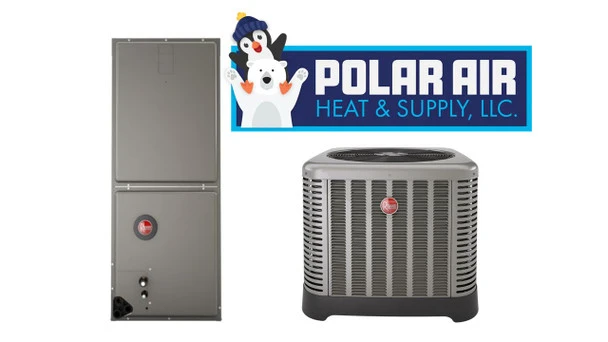
A split system HVAC consists of two main components: an outdoor unit and an indoor unit. The outdoor unit contains the compressor, condenser coil, and an expansion coil or capillary tubing. The indoor unit houses the evaporator coil and the air handling unit. This configuration is known for its ability to efficiently manage indoor temperatures and is typically used in residential settings.
How Does a Split System HVAC Work?
The process begins in the outdoor unit, where the compressor compresses the refrigerant, which then travels through the condenser coil. Here, the refrigerant is cooled from a gas to a liquid state before it is sent through the expansion valve into the indoor unit. Inside, the refrigerant absorbs heat from the indoor air and evaporates; this cooled air is then recirculated throughout your home. The refrigerant, now a gas again, returns to the outdoor unit to repeat the cycle.
Advantages of Split System HVAC
Energy Efficiency: Split systems are often more energy-efficient compared to traditional window units or central HVAC systems because they minimize energy loss typically associated with ductwork.
Quiet Operation: Since the compressor and most of the mechanical parts are located outside, split systems are quieter inside the home compared to other HVAC systems.
Flexible Installation: Without the need for extensive ductwork, split systems can be installed in various parts of the house, and multiple indoor units can be connected to one outdoor unit to create zone heating and cooling.
Improved Air Quality: With advanced filtration features, split systems can significantly improve indoor air quality by removing allergens, pollutants, and odors from the air.
Choosing the Right Split System HVAC for Your Home
When selecting a split system HVAC, consider the size of your home, the climate in your area, and specific heating and cooling needs. It’s often best to consult with HVAC professionals who can provide personalized recommendations and ensure that your unit is properly sized and installed.
Maintenance Tips for Split System HVAC
Regular maintenance is crucial to keep your split system HVAC running efficiently. This includes cleaning or replacing filters, checking the refrigerant levels, and ensuring that both the indoor and outdoor units are free from debris and obstructions.
Conclusion
Split system HVACs offer a versatile and efficient solution for heating and cooling homes. With their numerous benefits, such as energy efficiency and quiet operation, they are an excellent investment for homeowners looking to enhance their comfort and home value. Remember to consult with a professional to find the most suitable system for your needs and ensure it is maintained regularly for optimum performance.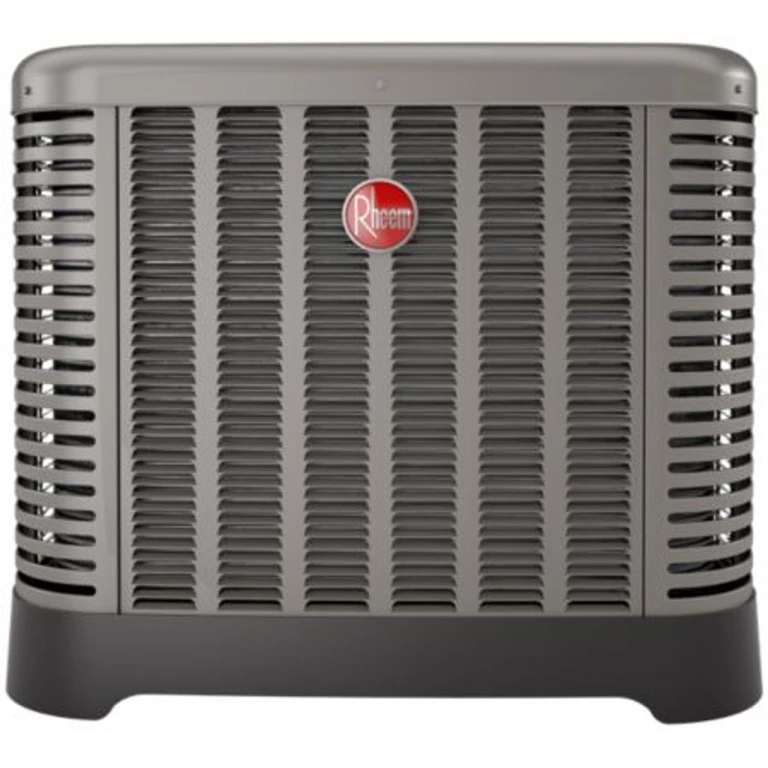 How the Rheem 3 Ton AC Unit Can Help


























Sign in to leave a comment.