
Introduction
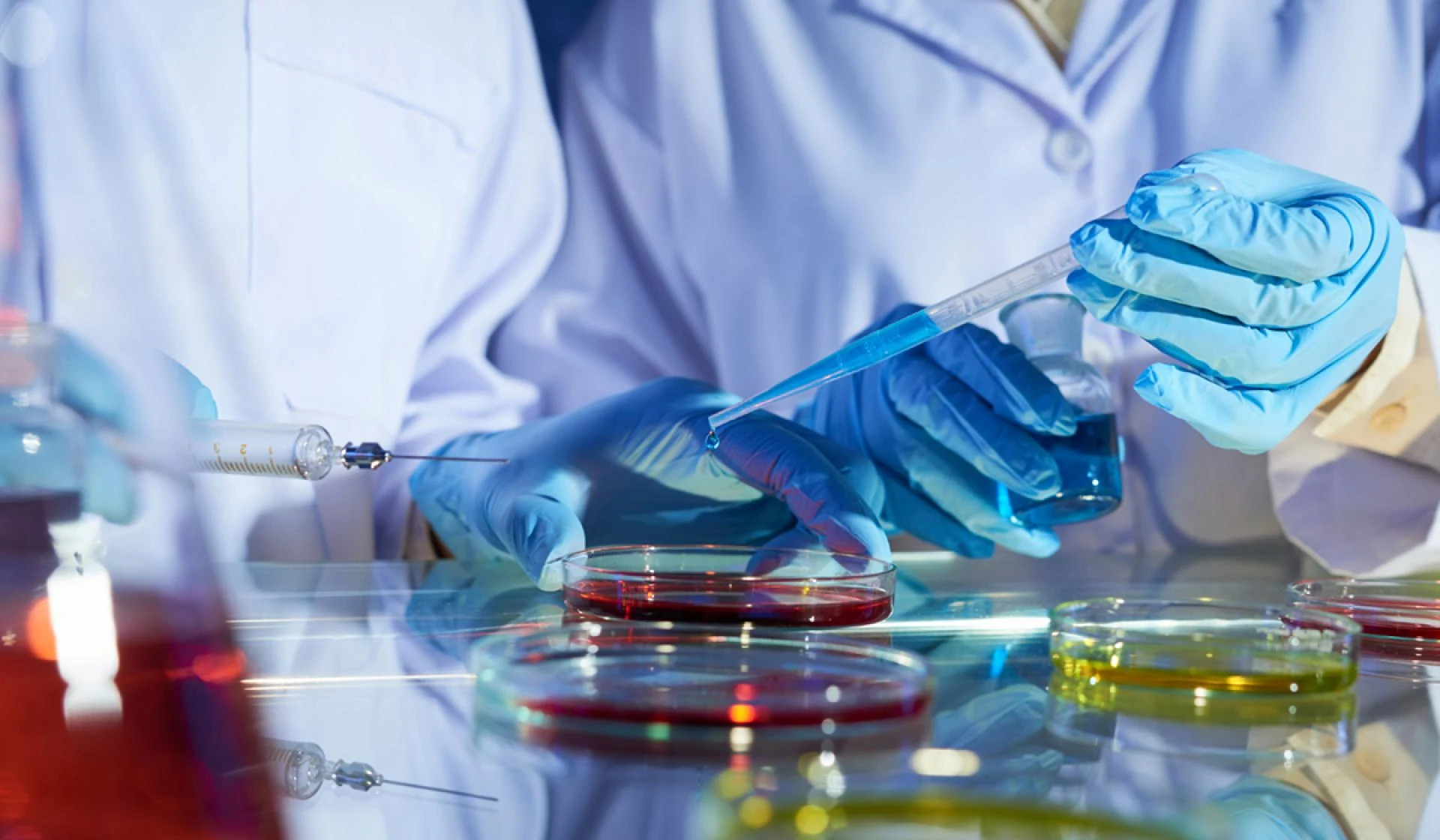
In the world of pharmaceuticals and healthcare, the process of discovering new drugs is a complex and lengthy journey that requires meticulous planning, cutting-edge science, and unwavering dedication. Drug discovery services play a pivotal role in this process, providing essential support and expertise at every stage.
In this blog, we will take a deep dive into the drug discovery process, from the initial step of target identification to the critical phase of clinical trials. We will explore each stage, shedding light on the challenges, breakthroughs, and innovations that shape modern drug discovery. So, let's embark on this journey through the fascinating world of drug development.
The Drug Discovery Pipeline
The drug discovery process can be likened to a carefully orchestrated symphony, with each step building upon the previous one. Let's break down the process into its key stages:
1. Target Identification
Understanding the Core Objective
At the heart of drug discovery lies the identification of a specific molecular target within the body. This target is typically a protein, gene, or cellular process that is associated with a disease. Researchers delve into the vast landscape of biology and genetics to pinpoint the key players responsible for a particular ailment.
Advanced Techniques and Technologies
Cutting-edge technologies, such as genomics and proteomics, have revolutionized target identification. They enable scientists to sift through mountains of data to uncover potential targets, paving the way for more focused research.
Challenges
Identifying druggable targets with a high likelihood of success.Avoiding off-target effects that can lead to adverse reactions.2. Target Validation
Establishing Causality
Once a potential target is identified, it must undergo rigorous validation. This involves confirming that the target is indeed causally linked to the disease in question. It's a critical step that separates promising leads from dead ends.
Animal Models and In Vitro Studies
Researchers use various tools, including animal models and in vitro studies, to validate targets. These experiments provide valuable insights into the target's role in disease progression.
Challenges
Developing relevant animal models that accurately mimic human diseases.Ensuring the target is specific to the disease and not essential for normal physiological processes.3. Hit Discovery
Searching for the Right Compound
With a validated target in hand, the search for potential drug compounds begins. This involves screening vast libraries of molecules to identify those that interact with the target in a desired way, either by inhibiting or enhancing its activity.
High-Throughput Screening (HTS)
Drug discovery services often employ HTS, a technique that allows for the rapid testing of thousands of compounds. This accelerates the search for hits, significantly reducing the time required for this stage.
Challenges
Identifying hits that are both potent and selective.Balancing the need for high-throughput with the quality of data generated.4. Lead Optimization
Refining the Chosen Compounds
The compounds identified as hits are far from being ready for clinical use. Lead optimization involves fine-tuning these compounds to improve their properties, such as efficacy, safety, and bioavailability.
Medicinal Chemistry and Structure-Activity Relationships (SAR)
Medicinal chemists play a crucial role in lead optimization. They manipulate the chemical structure of compounds to enhance their therapeutic potential, guided by SAR studies that elucidate how structural changes impact activity.
Challenges
Achieving the right balance between potency and safety.Optimizing compounds for optimal pharmacokinetics.5. Preclinical Testing
Safety and Efficacy Assessment
Before a potential drug candidate can enter human trials, it must undergo extensive preclinical testing. This phase includes a battery of tests to assess safety, toxicity, and efficacy in animal models.
Regulatory Compliance
Stringent regulatory guidelines govern preclinical testing to ensure that only the most promising and safe drug candidates advance to clinical trials.
Challenges
Predicting human response based on animal data.Navigating the complex web of regulatory requirements.6. Clinical Trials
Testing in Human Subjects
The ultimate test for a drug candidate is human clinical trials. These are conducted in multiple phases, with each phase designed to answer specific questions about safety, dosage, and efficacy.
Patient Recruitment and Informed Consent
Recruiting suitable participants and obtaining their informed consent are vital aspects of clinical trials. Ethical considerations loom large in this phase.
Challenges
Ensuring the trial is sufficiently powered to detect meaningful results.Balancing the risks and benefits for trial participants.The Role of Drug Discovery Services
Throughout this intricate journey from target identification to clinical trials, drug discovery services are indispensable. They provide a wide range of specialized services, including:
Bioinformatics and Computational Tools: These services help analyze vast datasets, predict drug-target interactions, and model the behavior of potential drug compounds.
High-Throughput Screening (HTS): Drug discovery service providers offer HTS capabilities, allowing for the rapid testing of thousands of compounds to identify potential hits.
Medicinal Chemistry: Medicinal chemists from these services aid in lead optimization, optimizing compounds for clinical use.
Preclinical Testing: Contract research organizations (CROs) often conduct preclinical studies, ensuring that drug candidates meet regulatory requirements.
Clinical Trial Support: Some drug discovery services extend their expertise into clinical trial design and management, facilitating the transition from preclinical to clinical development.
Conclusion
In the world of drug discovery, the journey from identifying a target to conducting clinical trials is fraught with challenges, but it is also filled with promise. With the support of drug discovery services, scientists and researchers are continually pushing the boundaries of medical science, bringing new hope to patients around the world.
In conclusion, understanding the drug discovery process is essential for appreciating the complexity and significance of this field. From target identification to clinical trials, each step plays a vital role in bringing new medicines to those in need. By embracing innovation, collaboration, and the expertise of drug discovery services, we are advancing healthcare and improving lives one discovery at a time. As we look to the future, the possibilities in drug discovery are limitless, and the potential for groundbreaking breakthroughs is within our grasp.


























Sign in to leave a comment.