The Starting Point: Air Pumps and Their Operational Role
We begin every reliable system with air pumps because they generate the energy that drives productivity. As a result, their performance directly impacts your output and operational stability.
Air pumps move compressed air efficiently into your system's storage components. That is to say, they form the core of every air-powered tool, process, or line. For example, if you operate in a shop floor environment, an underperforming pump causes disruptions throughout the workday.
Above all, pumps must match your workload to avoid pressure inconsistencies. Most importantly, oversized or undersized units risk wasted energy or production downtime. Likewise, our team considers site-specific volume demands before making equipment suggestions.
At CFM Air Equipment, we guide users through selecting systems built for heavy daily use. Consequently, businesses avoid repeat investments and streamline setup from day one.
Storage Tanks: Stabilizing Output and Reducing Wear
Storage tanks serve as a buffer between air generation and delivery points. Therefore, they smooth the supply process and reduce unnecessary pump cycling.
When compressed air flows directly from pumps without a storage tank, pressure drops become more frequent. In other words, the system becomes erratic, and tools may underperform. For instance, spraying or torque tools show immediate power fluctuations.
Certainly, storage tanks create consistent flow and reduce the burden on compressors. Above all, this lowers maintenance costs by limiting on-off cycling. Similarly, operators gain better control over system pressure and flow timing.
Our team evaluates tank sizing based on your specific application rather than relying on manufacturer specs. As a result, we help you meet production goals while avoiding excess capital expense.
Dryers: Managing Moisture Before It Creates Damage
Dryers protect every part of your compressed air system from moisture buildup. That is to say, they keep your lines dry, equipment safe, and products clean.
Without moisture control, water enters tools and damages internal parts. For example, in cold environments, droplets freeze inside lines and create blockages. However, with the right drying method in place, that entire risk disappears.
Most importantly, dryers enhance air quality. Above all, this makes them essential for industries like food packaging or electronics. Likewise, even basic pneumatic tools last longer with proper moisture control.
At CFM Air Equipment, we evaluate humidity conditions on-site before selecting any equipment. Therefore, businesses in variable climates get systems that remain reliable season after season.
Filters: Protecting Tools and Products at Every Stage
Filters keep particles and contaminants from entering the airflow. Consequently, they preserve tool life and ensure production quality stays consistent.
Even the cleanest facilities have airborne dust or oil residue. In other words, every system needs proper filtration to stay efficient. For instance, clogged nozzles, inconsistent torque, or product contamination often point to missing or failing filters.
Above all, a well-filtered system eliminates unplanned maintenance. Most importantly, filters catch trouble early before it spreads through your production floor. Similarly, customers experience fewer part failures and better product consistency.
Those looking for compressed air equipment in Calgary often ask us to audit their filtration layout. As a result, we’ve helped dozens of operations catch early issues and improve system stability from end to end.
Distribution Piping: The Pathway to Reliable Performance
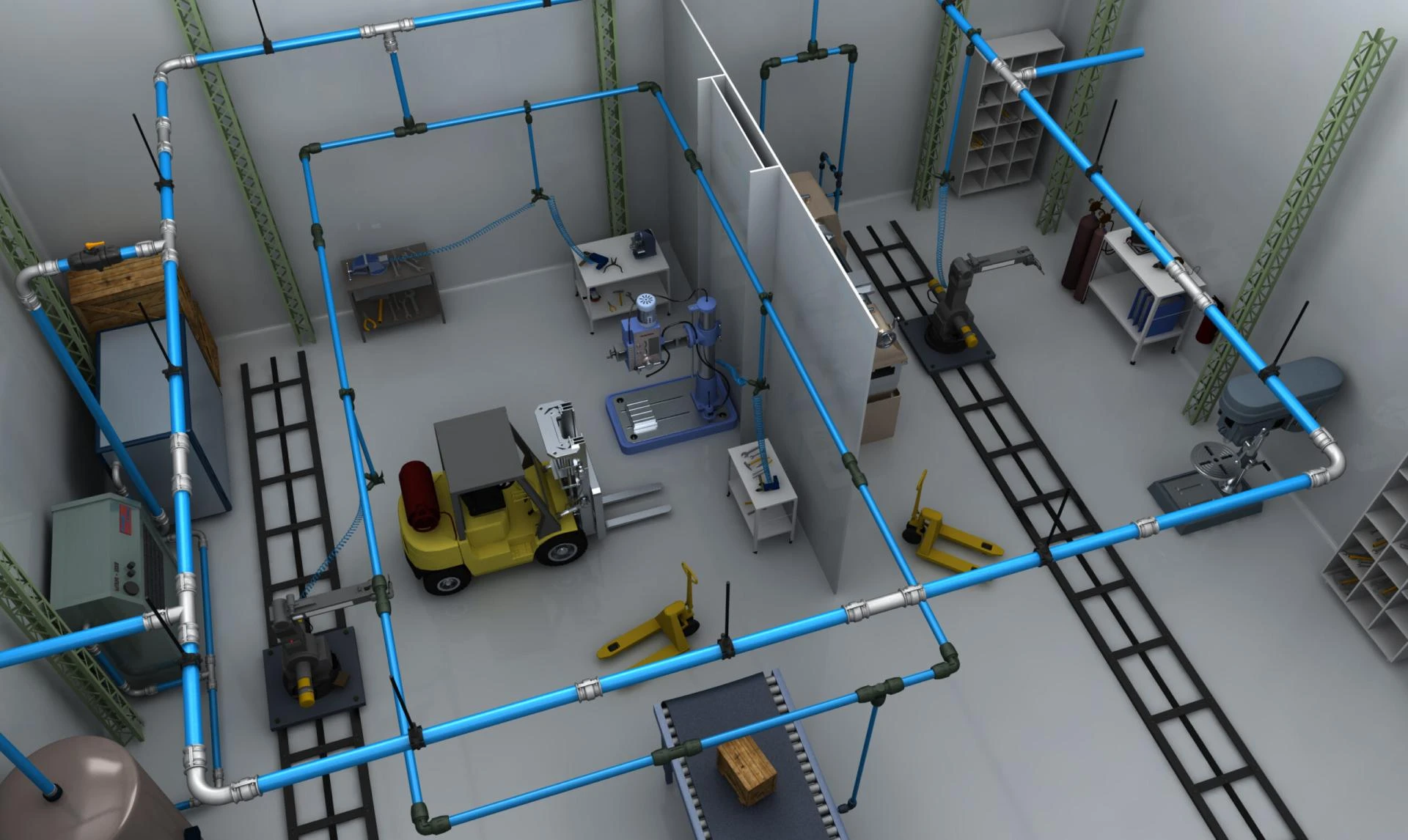
Air piping acts as the delivery network between stored air and end-use stations. Therefore, its layout affects pressure loss, airflow speed, and overall productivity.
Older or poorly laid-out piping systems create back pressure and waste energy. In other words, even with the right compressor, you may still see underpowered tools. For example, long runs without drop lines can cause unpredictable tool response.
Most importantly, piping should suit your facility’s specific layout. Above all, each bend and branch should serve a purpose in your production flow. Likewise, we design piping routes to match your existing workstations and workflow.
Our team works closely with technicians to optimize layouts from day one. Consequently, facilities see smoother startups and fewer adjustments over time.
Integration and System Planning for Maximum Efficiency
A complete compressed air system performs best when each component supports the next. That is to say, integration and planning prevent bottlenecks and delays.
Planning each piece in isolation causes compatibility issues later. For instance, pumps that outpace piping or filters that underperform dry tanks. However, with a holistic plan in place, systems stay balanced and easy to maintain.
Certainly, planning includes load requirements, environmental conditions, and future expansion. Above all, it means fewer surprises once installation begins. Similarly, maintenance teams benefit from simplified diagnostics and part access.
If your facility is planning to upgrade, our team encourages you to explore options for full integration. You can start the process or ask detailed questions by using our online form to contact us.
FAQs
What’s the most important component in a compressed air system?
Every part is vital, but pumps usually set the performance tone. However, a well-sized storage tank and reliable piping layout also rank high.
How often should I inspect filters and dryers?
Filter and dryer checks depend on operating hours and environment. Generally, we recommend inspections at least once per quarter.
Do I need a professional layout for my piping?
Yes, even small missteps in piping can affect pressure and tool performance. Layout should reflect your space and air demand.
Can CFM Air Equipment help if I already have equipment?
Absolutely. We evaluate existing setups and recommend improvements without pushing full replacements.
What’s the first step to upgrading my current system?
Begin with a site assessment to measure load and layout. After that, we’ll help you plan upgrades in phases or as one complete system.




























Sign in to leave a comment.