

Dementia is a significant global health issue that affects millions of individuals and their families. It is a general term for a decline in cognitive function severe enough to interfere with daily life, with Alzheimer\'s disease being the most common type. Understanding the prevalence of dementia is crucial for public health planning and for providing adequate support and resources to those affected.
Global Prevalence of Dementia
Dementia affects millions of people worldwide, and its prevalence is increasing as the global population ages. According to the World Health Organization (WHO), approximately 50 million people worldwide are living with dementia, and there are nearly 10 million new cases every year. These numbers are expected to triple by 2050, rising to 152 million, largely due to the aging populations in many countries.
Impact in the United States
In the United States, the Alzheimer\'s Association reports that an estimated 6 million Americans are living with Alzheimer\'s disease, the most common form of dementia. This number is projected to rise to nearly 13 million by 2050 as the baby boomer generation ages. Dementia not only affects the individuals diagnosed with the condition but also places a significant burden on families and caregivers, as well as on the healthcare system.
Challenges and Responses
The increasing prevalence of dementia poses significant challenges for healthcare systems worldwide. These challenges include the need for:
- Increased Healthcare Services: As the number of individuals with dementia grows, so does the demand for specialized healthcare services, including diagnosis, treatment, and ongoing care management.
- Support for Caregivers: Families and caregivers of individuals with dementia require support, including respite care, financial assistance, and access to information and resources to help them manage the demands of caregiving.
- Public Awareness and Education: Increasing public awareness and understanding of dementia is crucial for reducing stigma and for encouraging early diagnosis and intervention.
- Research and Treatment Advances: Continued research into the causes, treatment, and prevention of dementia is essential for improving outcomes for individuals affected by the condition.
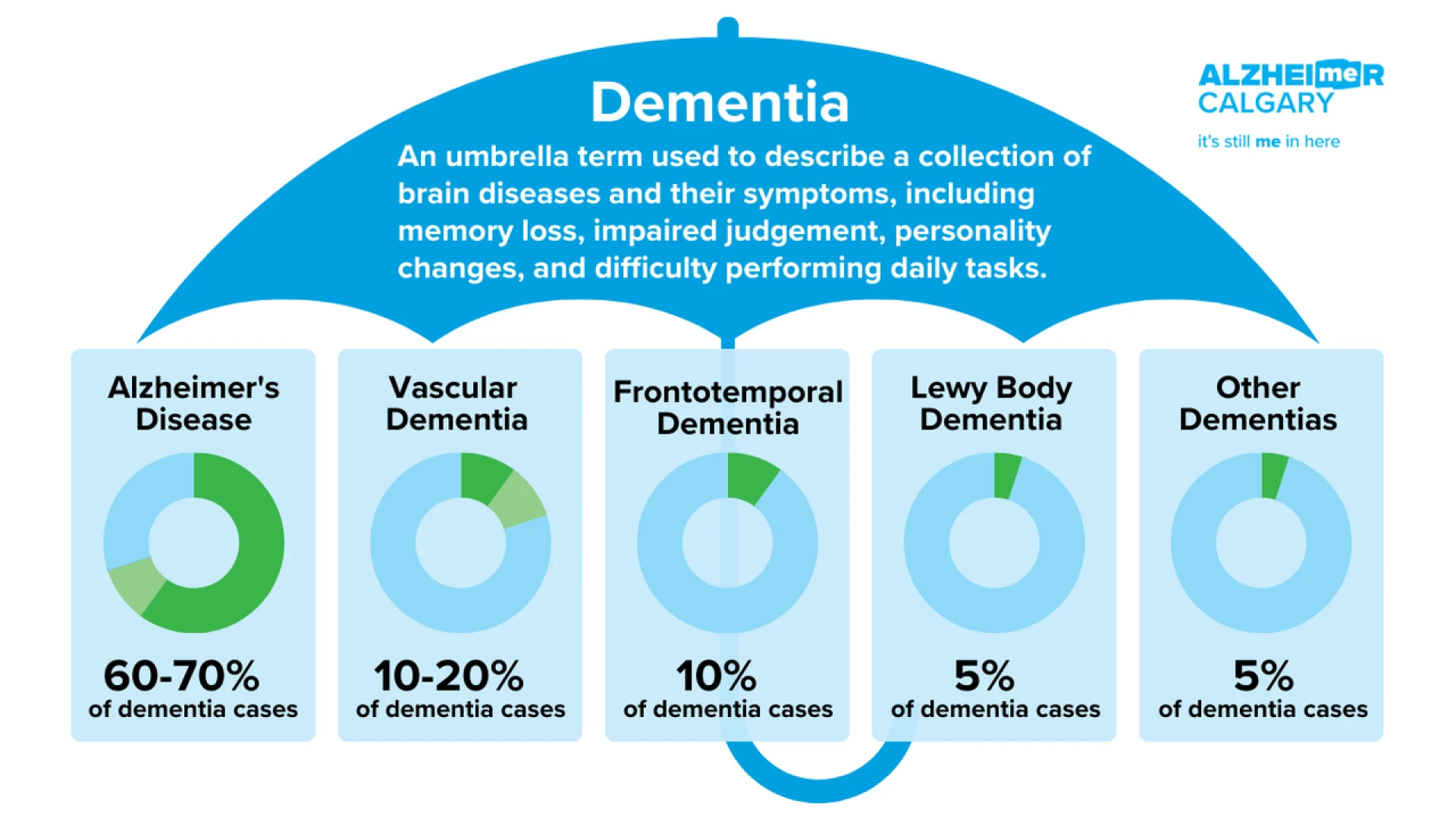
Some common symptoms of dementia, as outlined in the provided sources, include:
- Memory Loss: This is often one of the first signs of dementia, particularly forgetting recently learned information or important dates and events.
- Difficulty Completing Familiar Tasks: People with dementia may struggle with tasks that were once routine, such as driving to a familiar location, managing finances, or following a recipe.
- Problems with Language and Communication: Individuals may have trouble following or joining a conversation. They might forget words or substitute incorrect words, making it hard to understand or communicate effectively.
- Disorientation to Time and Place: People with dementia may lose track of dates, seasons, and the passage of time. They may become confused about where they are or how they got there.
- Poor Judgment: Changes in judgment or decision-making can occur, such as paying less attention to personal grooming or making poor financial decisions.
- Withdrawal from Work or Social Activities: Individuals with dementia may withdraw from hobbies, social activities, or other engagements. This often occurs because they may have trouble keeping up with their favorite activities or feel overwhelmed.
- Changes in Mood and Personality: The mood and personalities of people with dementia can change. They may become confused, suspicious, fearful, or anxious. Mood swings are also common, ranging from calm to tears to anger without a clear reason.
- Difficulty with Visual and Spatial Abilities: Some people with dementia may have problems judging distance and determining color or contrast, which can affect their ability to drive or even recognize objects.
- Repeating Questions: Asking the same questions over and over again is a common symptom, as the individual may not remember the original question or its answer.
- Misplacing Things: A person with dementia may put things in unusual places or lose things and be unable to retrace their steps to find them again. Sometimes, this can lead to accusations of theft.
These symptoms can vary significantly among individuals and may worsen as the dementia progresses. Early diagnosis and intervention can help manage symptoms and improve quality of life, so it\'s important to consult a healthcare provider if these signs are observed.
Conclusion
Dementia is a growing global health issue that affects millions of individuals and their families. Understanding the scale of the problem is crucial for developing effective responses, including healthcare services, support for caregivers, and public health initiatives. For those in Brooklyn, Medflyt provides specialized dementia care services to support families dealing with the challenges of dementia, ensuring that patients receive compassionate and competent care in the comfort of their own homes.





























Sign in to leave a comment.