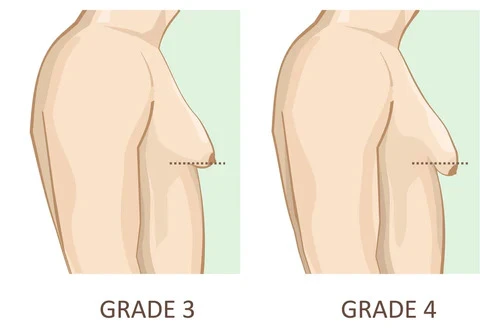

Gynecomastia, a condition characterized by the enlargement of breast tissue in males, can cause significant emotional and psychological distress. It is crucial to accurately diagnose gynecomastia to differentiate it from other conditions such as pseudogynecomastia, which is the accumulation of fat tissue rather than glandular tissue. One commonly used method for this purpose is the gynecomastia pinch test. This blog aims to provide a comprehensive understanding of the gynecomastia pinch test, its procedure, significance, and interpretation.
What is Gynecomastia?
Gynecomastia is the benign proliferation of male breast glandular tissue. It can occur at any age and is often linked to hormonal imbalances, medication side effects, or underlying health conditions. Distinguishing between true gynecomastia and pseudogynecomastia (fat accumulation without glandular proliferation) is crucial for appropriate management and treatment.
The Gynecomastia Pinch Test: An Overview
The gynecomastia pinch test is a simple, non-invasive clinical method used to differentiate between glandular tissue and fatty tissue in the male breast. This test helps healthcare providers determine whether the breast enlargement is due to true gynecomastia or pseudogynecomastia.
Procedure of the Gynecomastia Pinch Test
Positioning: The patient should be in a relaxed, comfortable position, either standing or sitting.
Pinching Technique: The examiner uses their thumb and forefinger to gently pinch the breast tissue. The pinch should be made in a radial fashion, moving from the periphery of the breast towards the nipple.
Assessing the Tissue: The examiner assesses the nature of the pinched tissue:
- Glandular Tissue: Firm, rubbery, and disc-like tissue is typically indicative of true gynecomastia.
- Fatty Tissue: Soft, pliable, and less defined tissue suggests pseudogynecomastia.
Significance of the Pinch Test
The gynecomastia pinch test is significant for several reasons:
- Accurate Diagnosis: Differentiating between true gynecomastia and pseudogynecomastia is essential for determining the appropriate treatment approach.
- Non-Invasive: The test is a simple, non-invasive procedure that can be performed in a clinical setting without the need for specialized equipment.
- Guiding Treatment: Accurate diagnosis helps in planning the treatment, whether it involves medication, lifestyle changes, or surgical intervention.
Interpreting the Results
The results of the gynecomastia pinch test should be interpreted in conjunction with a thorough medical history and additional diagnostic tests if necessary. While the pinch test provides valuable information, it is not the sole diagnostic tool. Ultrasound or mammography may be recommended for a more detailed evaluation.
Conclusion
The gynecomastia pinch test is a valuable clinical tool for differentiating between true gynecomastia and pseudogynecomastia. Its simplicity, non-invasive nature, and effectiveness make it a preferred method among healthcare providers. However, it is essential to consider the results of the pinch test alongside other diagnostic methods and the patient\'s medical history to ensure accurate diagnosis and appropriate treatment. If you suspect gynecomastia, consult a healthcare professional for a comprehensive evaluation and personalized care plan.
By understanding and utilizing the gynecomastia pinch test, patients and healthcare providers can work together to manage this condition effectively, improving both physical health and emotional well-being.
FAQs
1. What is the main purpose of the gynecomastia pinch test?
The main purpose of the gynecomastia pinch test is to differentiate between glandular (true gynecomastia) and fatty tissue (pseudogynecomastia) in male breast enlargement.
2. Is the gynecomastia pinch test painful?
The gynecomastia pinch test is generally not painful. It involves gentle pinching of the breast tissue, which may cause slight discomfort but should not be painful.
3. Can the pinch test alone diagnose gynecomastia?
While the pinch test is a valuable diagnostic tool, it should not be used alone. It is best interpreted alongside a thorough medical history and, if needed, additional diagnostic tests like ultrasound or mammography.
4. Who should perform the gynecomastia pinch test?
The gynecomastia pinch test should be performed by a qualified healthcare provider, such as a doctor or a specialist in endocrinology or surgery, to ensure accurate diagnosis and interpretation.
5. What should I do if I suspect I have gynecomastia?
If you suspect you have gynecomastia, it is important to consult a healthcare professional. They can perform a comprehensive evaluation, including the pinch test, to determine the cause of breast enlargement and recommend appropriate treatment.
6. Are there any risks associated with the gynecomastia pinch test?
The gynecomastia pinch test is a safe, non-invasive procedure with minimal risks. It is a straightforward clinical examination technique.




























Sign in to leave a comment.