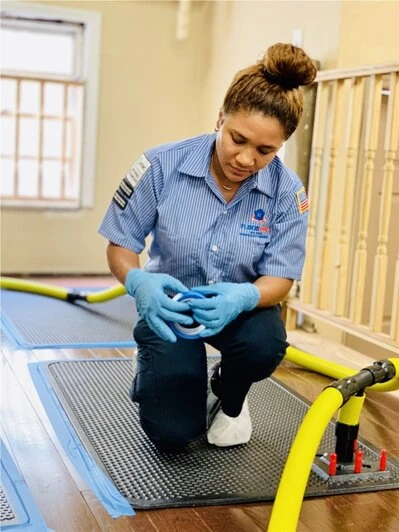

Tampa, Florida, is no stranger to the destructive force of tropical storms and hurricanes. Nestled along the Gulf Coast, Tampa's geographical location renders it susceptible to the wrath of Mother Nature's most ferocious tempests. The city has seen its fair share of comprehensive storm damage that has left several homes and commercial sites in distress.
In this blog post, we embark on a journey to understand the profound impact of storm damage on the intricate tapestry of Tampa's neighborhoods. Beyond the immediate aftermath of a hurricane's fury, we delve into the lasting economic, social, and environmental repercussions that reverberate throughout the city long after the winds have subsided and the floodwaters receded.
Read on to learn more about the different types of storm damage that most people in Tampa communities are dealing with, in addition to the different ways that a storm damage recovery service can help them out!
The Economic Impact
Damage to Property and Infrastructure
Tropical storms and hurricanes pose a significant threat to the physical infrastructure and property in Tampa communities. High winds, storm surges, and flooding can cause extensive damage to homes, businesses, roads, bridges, and utilities. The destruction of property not only results in financial losses for individuals and businesses but also disrupts the functioning of essential services, such as electricity, water, and transportation networks.
Loss of Business Revenue
The economic impact of storm damage extends beyond the immediate costs of repairing and rebuilding infrastructure. Businesses in Tampa often suffer significant revenue losses in the aftermath of a severe storm, particularly if they are forced to close temporarily or operate at reduced capacity due to damage or disruptions in supply chains. Small businesses, in particular, may struggle to recover from the financial setbacks caused by lost sales, inventory damage, and interrupted operations, leading to layoffs, closures, and long-term economic decline in affected communities.
Cost of Recovery Efforts
The financial burden of storm damage extends to the costs associated with emergency response and recovery efforts. While there are several storm damage clean up and restoration services in Tampa, the local governments, emergency services, and relief organizations have been found to allocate resources to conduct search and rescue operations, provide shelter and assistance to displaced residents, and restore essential services in the wake of a disaster. Moreover, the long-term costs of rebuilding infrastructure, implementing mitigation measures, and addressing the root causes of vulnerability to future storms can place a significant strain on public budgets and taxpayer funds, diverting resources away from other essential services and priorities.
Social Impact
Displacement of Residents
One of the most immediate and profound social impacts of storm damage is the displacement of residents from their homes and communities. Severe flooding, wind damage, and other hazards can render homes uninhabitable, forcing residents to evacuate or seek temporary shelter in emergency facilities or with friends and family. The displacement of vulnerable populations, such as low-income families, the elderly, and individuals with disabilities, exacerbates social inequalities and strains existing support systems, leading to overcrowding, homelessness, and social isolation in the aftermath of a disaster.
Mental Health Effects
The trauma of experiencing a natural disaster can have significant and long-lasting effects on the mental health and well-being of individuals and communities. Survivors of hurricanes may experience a range of emotional reactions, including fear, anxiety, grief, and depression, as they cope with the loss of loved ones, property, and a sense of security. Post-traumatic stress disorder (PTSD) is also common among those who have experienced the direct impact of a storm, particularly first responders, healthcare workers, and others involved in rescue and recovery efforts.
Community Cohesion and Resilience
Despite the challenges they face, Tampa communities often demonstrate remarkable resilience and solidarity in the face of adversity. The shared experience of surviving a natural disaster can foster a sense of camaraderie and mutual support among residents as neighbors come together to help one another rebuild their homes, businesses, and lives. Community-based organizations, faith-based groups, and grassroots initiatives play a crucial role in facilitating recovery and fostering social cohesion, providing essential services, resources, and emotional support to those in need. The aftermath of devastating storms can often lead to commercial properties or homeowners hiring efficient storm damage repair services, but the city requires a larger comprehensive water damage restoration on most occasions.
Environmental Impact
Damage to Natural Habitats
The ecological impact of storm damage extends beyond the built environment to include the destruction of natural habitats and ecosystems in Tampa's coastal and inland areas. Hurricanes can uproot trees, erode shorelines, and disturb wetlands and mangrove forests, which serve as vital buffers against storm surges and provide habitat for diverse flora and fauna. The loss of these natural defenses not only increases the risk of flooding and erosion but also diminishes biodiversity and ecosystem resilience, making Tampa communities more vulnerable to the impacts of future storms and climate change.
Pollution and Contamination
In addition to physical damage, storms can also contribute to pollution and contamination of the environment in Tampa and its surrounding areas. Floodwaters may carry pollutants, such as chemicals, sewage, and debris, into residential neighborhoods, waterways, and coastal estuaries, posing risks to public health and ecosystem health.
Long-Term Ecological Consequences
The long-term ecological consequences of storm damage in Tampa are far-reaching and complex, affecting the health and stability of ecosystems and natural resources for years to come. In addition to immediate impacts on biodiversity and habitat loss, hurricanes can alter the hydrology, nutrient cycling, and species composition of affected ecosystems, leading to cascading effects on ecosystem services, such as water purification, flood control, and carbon sequestration.
Addressing the Calamities with Professionals!
According to government statistics, a total of 4 tropical storms or tornadoes hit the Tampa Bay Area in 2023, which left the city in massive destructive states. While government procedures and measures do immediately come into effect, there is a lot of professional flood damage restoration that needs to be done in most areas of the city.
Luckily for the people of Tampa, Flood Pros provide 24 hour emergency water damage cleanup services and storm damage cleanup and restoration services in such dire need. Their professionals are equipped with efficient storm damage repair skills and equipment that enables them to help people in distress.
To learn more about their services, make sure you visit their website or give them a call today!
About the Author
Sally Schuster is a local climate catastrophe management expert who talks about storm damage services and strategies for the Tampa Bay Area. In their spare time, they discuss the devastating effects on the communities and how they can be improved over time with the right professional help.






























Sign in to leave a comment.