
Writing is one of the most essential skills children develop during their early school years. It’s how they demonstrate knowledge, express ideas, and participate fully in classroom activities. But for some students, writing becomes a daily source of frustration rather than a tool for learning. When handwriting is consistently difficult, slow, or unclear, it may point to something more than a simple learning curve.
This is where dysgraphia testing Sydney becomes an important consideration. Recognising the signs early can help parents and educators better understand a child’s challenges and provide the right kind of support before those struggles begin to affect confidence and academic progress.
What Is Dysgraphia? A Simple Explanation for Parents and Educators
Dysgraphia is a neurological learning difficulty that affects a person’s ability to write. It can influence handwriting, spelling, and the ability to organise thoughts on paper. Importantly, dysgraphia is not related to intelligence. Many students with dysgraphia are bright, capable, and articulate when speaking—but face significant obstacles when translating those thoughts into written form.
Unlike occasional handwriting issues that improve with practice, dysgraphia tends to persist over time. Students may put in extra effort yet still struggle with clarity, spacing, or structure. Understanding this distinction is crucial for ensuring that children receive the appropriate support instead of being mislabelled as careless or unmotivated.
For readers interested in broader discussions on learning challenges and student development, platforms like <a href="https://writeupcafe.com/post-story">WriteUpCafe</a> offer a wide range of articles exploring education, parenting, and personal growth.
Early Warning Signs of Dysgraphia in Students
Recognising the early signs of dysgraphia can make a meaningful difference in how quickly a child receives support. These signs often vary by age but tend to follow certain patterns.
Signs in Early Childhood (Ages 4–7)
Young children may show early indicators such as difficulty holding crayons or pencils correctly. They might avoid drawing, colouring, or tracing activities altogether. Letter formation may appear inconsistent, with reversed or poorly shaped characters.
While some variation is normal during early development, persistent difficulty compared to peers may signal the need for closer observation.
Signs in Primary School Years
As writing demands increase, the signs often become more noticeable. Children may produce illegible handwriting despite repeated practice. Letters may vary in size, spacing can be uneven, and writing may drift off lines on the page.
They may also struggle to organise sentences or complete written tasks within expected timeframes. These challenges can become especially apparent during tests or homework assignments.
You can explore related topics on child learning and development through community-driven articles such as <a href="https://writeupcafe.com/post-story">education and parenting insights on WriteUpCafe</a>, which often highlight real-world experiences from parents and educators.
Signs in Older Students
In older children and teenagers, dysgraphia may present as extremely slow writing speed or difficulty taking notes during class. Students might avoid written assignments or rely heavily on verbal explanations instead.
Frustration can build over time, especially when academic performance doesn’t reflect their actual understanding of the material. This gap between knowledge and written output is one of the most telling indicators.
The Impact of Undiagnosed Dysgraphia
When dysgraphia goes unrecognised, its effects can extend beyond handwriting difficulties.
Academic Challenges
Students may struggle to complete assignments, perform poorly on written exams, or receive lower grades despite understanding the subject matter. Over time, this can limit academic opportunities and participation.
Emotional and Behavioral Effects
Repeated difficulties can take a toll on a student’s self-esteem. They may begin to see themselves as “not good at school,” even when they excel in other areas. Anxiety around writing tasks can develop, leading to avoidance or resistance.
In some cases, children may disengage from learning altogether—not because they lack ability, but because the process feels overwhelming.
When Should You Consider Dysgraphia Testing Sydney?
Not every child who struggles with writing has dysgraphia. However, there are clear situations where assessment becomes a valuable next step.
Key Indicators That Testing May Be Needed
If writing difficulties persist despite consistent practice and support, it may be time to consider professional evaluation. Teachers’ observations can also be helpful, especially when they notice a consistent gap between a student’s verbal and written abilities.
Parents may observe that homework takes significantly longer than expected or that their child becomes unusually frustrated during writing tasks.
Why Early Assessment Matters
Early identification allows for targeted strategies that can significantly improve outcomes. Instead of focusing solely on handwriting drills, support can be tailored to address underlying challenges such as fine motor coordination or written expression.
This is why dysgraphia testing Sydney is often recommended when concerns arise. A structured assessment provides clarity and direction, helping families and educators move forward with confidence.
Who Can Benefit from Testing
While commonly associated with children, dysgraphia can also affect teenagers and adults. Older students preparing for exams or adults returning to study may benefit from understanding their learning profile and accessing appropriate support.
What Happens During a Dysgraphia Assessment?
For many families, the idea of assessment can feel unfamiliar. Understanding the process helps make it more approachable.
Overview of the Assessment Process
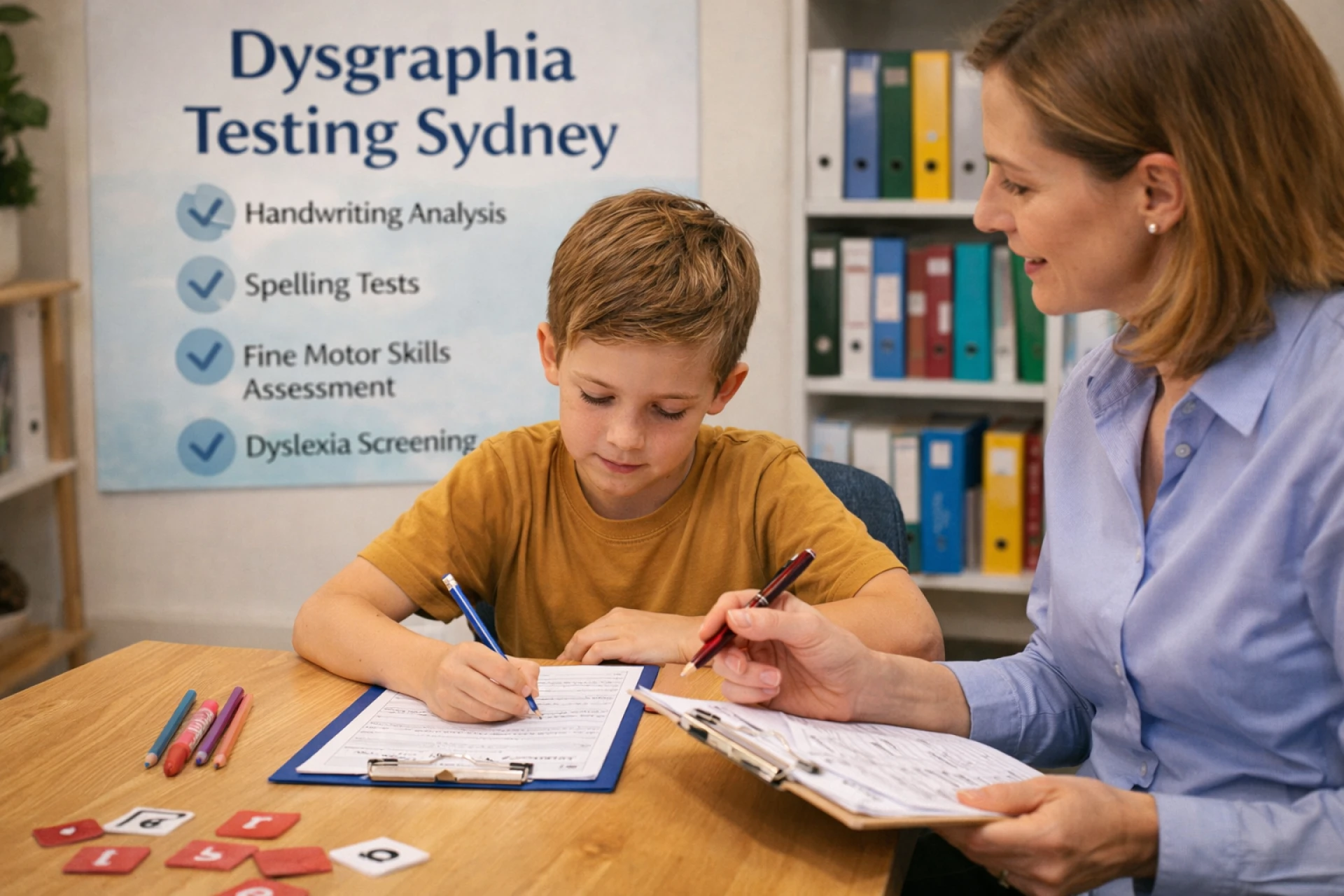
A dysgraphia assessment typically involves a combination of observations, standardised tests, and structured tasks. These are designed to evaluate different aspects of writing and related skills in a supportive environment.
Skills That Are Evaluated
Assessments often look at handwriting fluency, spelling accuracy, written expression, and fine motor coordination. The goal is not just to identify difficulties, but to understand their root causes.
For those seeking more detailed information, resources on <a href="https://sydneypsychassessments.com.au/dysgraphia-testing-sydney/">writing and fine motor skill assessments</a> provide insight into how comprehensive evaluations are conducted and what areas they cover.
A Holistic Perspective
Rather than focusing on a single issue, assessments aim to build a complete picture of how a student learns. This helps ensure that recommendations are practical, personalised, and effective.
Supporting Students After Diagnosis
A diagnosis of dysgraphia is not a limitation—it’s a starting point for better support.
Classroom Strategies
Teachers can implement adjustments such as allowing the use of laptops or tablets, reducing the volume of written work, or offering alternative ways to demonstrate knowledge. Extra time during tests can also make a significant difference.
At-Home Support
At home, creating a low-pressure environment for writing can help rebuild confidence. Encouraging journaling, creative storytelling, or even typing instead of handwriting can make writing feel more accessible.
Small, consistent successes are key to maintaining motivation.
Professional Support Options
Depending on the child’s needs, support may include occupational therapy to improve fine motor skills or guidance from educational psychologists. These interventions can help students develop strategies that work for them.
Breaking the Stigma Around Learning Difficulties
One of the most important steps in supporting students with dysgraphia is changing how we talk about learning difficulties. Struggles with writing do not define a student’s potential. Many individuals with dysgraphia go on to succeed in creative, academic, and professional fields.
Open conversations help normalise these challenges and encourage students to seek support without fear of judgement. When children understand that their difficulties have a name—and that help is available—they are more likely to stay engaged and motivated.
Conclusion: Recognising the Signs and Taking the Next Step
Writing difficulties can sometimes be dismissed as a phase, but persistent challenges deserve closer attention. By recognising the signs early and considering dysgraphia testing Sydney, parents and educators can take meaningful steps toward supporting students in a way that aligns with their needs.
With the right strategies, tools, and understanding, students with dysgraphia can build confidence, improve their skills, and fully participate in their learning journey.
































Sign in to leave a comment.