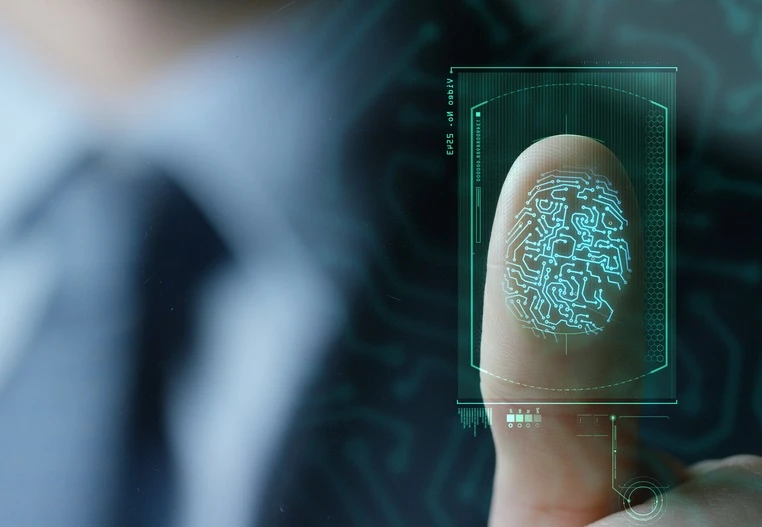

In today’s fast-paced world, efficient and reliable attendance tracking is crucial for businesses of all sizes. Biometric punching systems have emerged as a sophisticated solution to manage employee attendance, replacing traditional methods like punch cards and manual registers. These systems leverage biometric technologies to ensure accuracy, security, and convenience. This article delves into the technology behind biometric punching systems, exploring their components, functionality, benefits, and future prospects.
What are Biometric Punching Systems?
Biometric punching systems are attendance tracking tools that use unique physiological characteristics of individuals to record their entry and exit times. Common biometric traits used include fingerprints, facial recognition, iris scans, and hand geometry. These systems provide a reliable way to monitor attendance, reduce fraud, and streamline payroll processes.
Components of Biometric Punching Systems
- Biometric Sensors: The core of any biometric punching system is the sensor that captures the biometric data. Different types of sensors are used depending on the biometric trait being captured. For instance:
- Fingerprint Sensors: Use optical, capacitive, or ultrasonic technology to scan and recognize the unique patterns on a person’s fingerprint.
- Facial Recognition Cameras: Capture detailed images of an individual’s face and use algorithms to map facial features.
- Iris Scanners: Utilize infrared light to capture the unique patterns in the colored part of the eye.
- Hand Geometry Readers: Measure and analyze the shape and size of an individual’s hand.
- Processing Unit: Once the biometric data is captured, it is processed by the system’s central unit. This processing unit runs sophisticated algorithms to convert the raw biometric data into a digital format that can be compared against stored templates.
- Storage Database: This component securely stores the biometric templates and associated employee information. The database must be robust and secure to prevent unauthorized access and ensure data integrity.
- User Interface: The interface allows employees to interact with the system. It can be a touch screen, a display panel, or a mobile application. This component also provides administrators with tools to manage and monitor attendance data.
- Communication Module: To integrate with other systems like payroll in HR software, biometric punching systems often include communication modules that enable data transfer over local networks or the internet.
How Biometric Punching Systems Work
The operation of a biometric punching system can be broken down into the following steps:
- Enrollment: During this initial phase, the system captures and stores the biometric data of each employee. This data is converted into a digital template and saved in the system’s database.
- Verification/Authentication: When an employee uses the system to clock in or out, their biometric data is captured and compared to the stored template. If there’s a match, the system records the time of entry or exit.
- Data Management: The recorded attendance data is managed and processed by the system. This includes generating reports, updating employee records, and integrating with payroll systems to ensure accurate salary calculations.
Benefits of Biometric Punching Systems
- Accuracy: Biometric systems eliminate the possibility of human error and ensure that attendance records are precise.
- Security: Since biometric traits are unique to each individual, it’s virtually impossible to fake attendance, reducing instances of buddy punching (where one employee clocks in for another).
- Convenience: Employees no longer need to remember passwords, carry ID cards, or deal with paper-based systems. A simple scan suffices.
- Cost-Effective: Over time, biometric systems reduce administrative costs associated with manual attendance tracking and fraud.
- Integration: These systems can seamlessly integrate with other HR and payroll software, streamlining the entire attendance and payment process.
Challenges and Considerations
Despite their advantages, biometric punching systems are not without challenges:
- Privacy Concerns: The collection and storage of biometric data raise significant privacy issues. Companies must ensure compliance with data protection regulations and implement robust security measures.
- Initial Costs: The setup and installation of biometric systems can be expensive. However, this is often offset by the long-term savings and efficiency gains.
- Technical Issues: Like any technology, biometric systems can face technical glitches. Regular maintenance and updates are essential to ensure smooth operation.
- Employee Acceptance: Some employees may be reluctant to use biometric systems due to privacy concerns or discomfort with the technology. Clear communication and education can help mitigate these issues.
Conclusion
Biometric punching systems represent a significant leap forward in attendance management technology. By leveraging unique physiological traits, these systems offer unparalleled accuracy, security, and convenience. While challenges such as privacy concerns and initial costs exist, the long-term benefits and future advancements in the field promise to make biometric punching systems an integral part of modern workforce management. As technology continues to evolve, these systems will undoubtedly become even more sophisticated, offering new capabilities and further transforming how businesses track and manage employee attendance.



























Sign in to leave a comment.