
Cardiac emergencies often necessitate the use of defibrillation, a life-saving procedure that involves delivering an electric shock to the heart. Defibrillation is effective in treating two specific cardiac rhythms: ventricular fibrillation (VF) and pulseless ventricular tachycardia (VT). Understanding what are the 2 shockable rhythms is crucial for anyone involved in emergency medical care, as timely and accurate intervention can significantly improve survival rates.
Ventricular Fibrillation (VF)
Ventricular fibrillation is a chaotic and disorganized heart rhythm that leads to ineffective contractions of the ventricles. In VF, the electrical activity of the heart becomes erratic, preventing the ventricles from pumping blood effectively. As a result, the heart is unable to supply oxygenated blood to the body, leading to collapse and sudden cardiac arrest.
VF is considered one of the most critical cardiac emergencies because it can quickly lead to death if not treated promptly. The most effective treatment for VF is defibrillation, which delivers a controlled electric shock to the heart, allowing the heart\'s electrical system to reset and return to a normal rhythm.
Pulseless Ventricular Tachycardia (VT)
Pulseless ventricular tachycardia is another shockable rhythm characterized by a rapid and regular heart rate that originates from the ventricles. Unlike VF, the electrical activity in pulseless VT is more organized, but the heart rate is so fast that the ventricles do not have enough time to fill with blood between beats. This leads to an insufficient output of blood from the heart, and the individual will quickly lose consciousness and stop breathing if not treated.
Similar to VF, the most effective treatment for pulseless VT is defibrillation. The electric shock delivered during defibrillation can interrupt the abnormal electrical activity and allow the heart to reestablish a normal rhythm.
The Importance of Early Defibrillation
Early defibrillation is crucial in treating VF and pulseless VT because the chances of survival decrease with every passing minute. For every minute that defibrillation is delayed, the survival rate drops by approximately 7-10%. Therefore, immediate recognition of these shockable rhythms and prompt defibrillation are vital for increasing the chances of a positive outcome.
Automated External Defibrillators (AEDs)
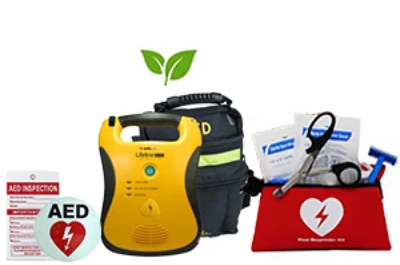
Automated external defibrillators (AEDs) have revolutionized the treatment of cardiac emergencies by making defibrillation accessible to laypersons. AEDs are portable, user-friendly devices that can be used by anyone, even without medical training. They are designed to analyze the heart\'s rhythm and deliver a shock only if a shockable rhythm (VF or pulseless VT) is detected.
The widespread availability of AEDs in public places, such as airports, shopping malls, and sports venues, has significantly increased the chances of survival for individuals experiencing cardiac arrest. AEDs provide clear, step-by-step voice instructions, making it easier for bystanders to use them confidently and effectively.
Conclusion
Understanding the two shockable rhythms in cardiac emergencies—ventricular fibrillation and pulseless ventricular tachycardia—is essential for effective intervention. Recognizing these rhythms and administering defibrillation promptly can make the difference between life and death. The use of AEDs has further improved the accessibility of defibrillation, empowering laypersons to act quickly and save lives. As awareness and availability of AEDs continue to grow, more lives can be saved from sudden cardiac arrest.




























Sign in to leave a comment.