
Thyroid blood tests are commonly used to assess how the thyroid gland is functioning. Because thyroid hormones influence several processes in the body, healthcare professionals may recommend testing when someone has symptoms that could be associated with thyroid function or when monitoring an existing thyroid condition.
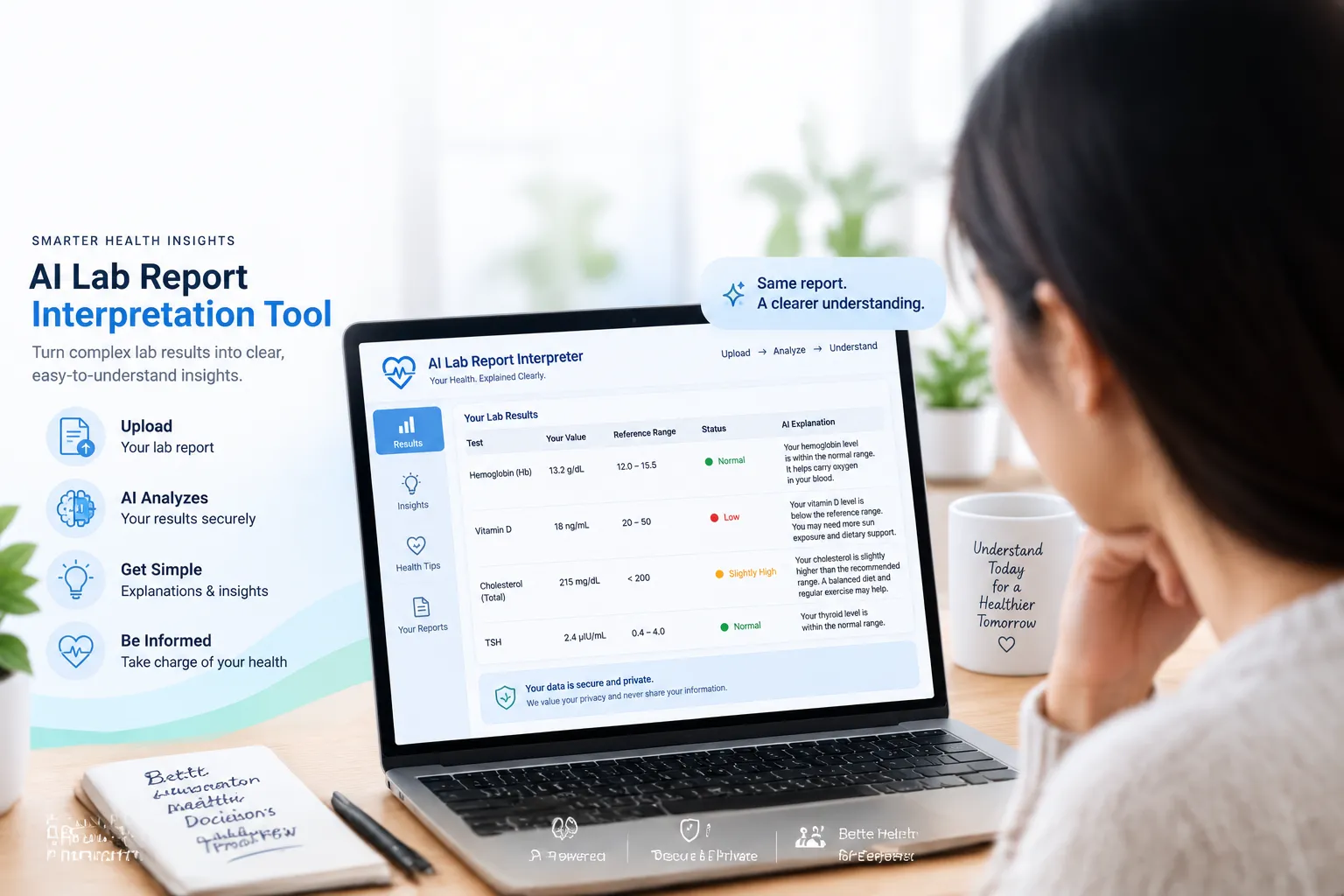
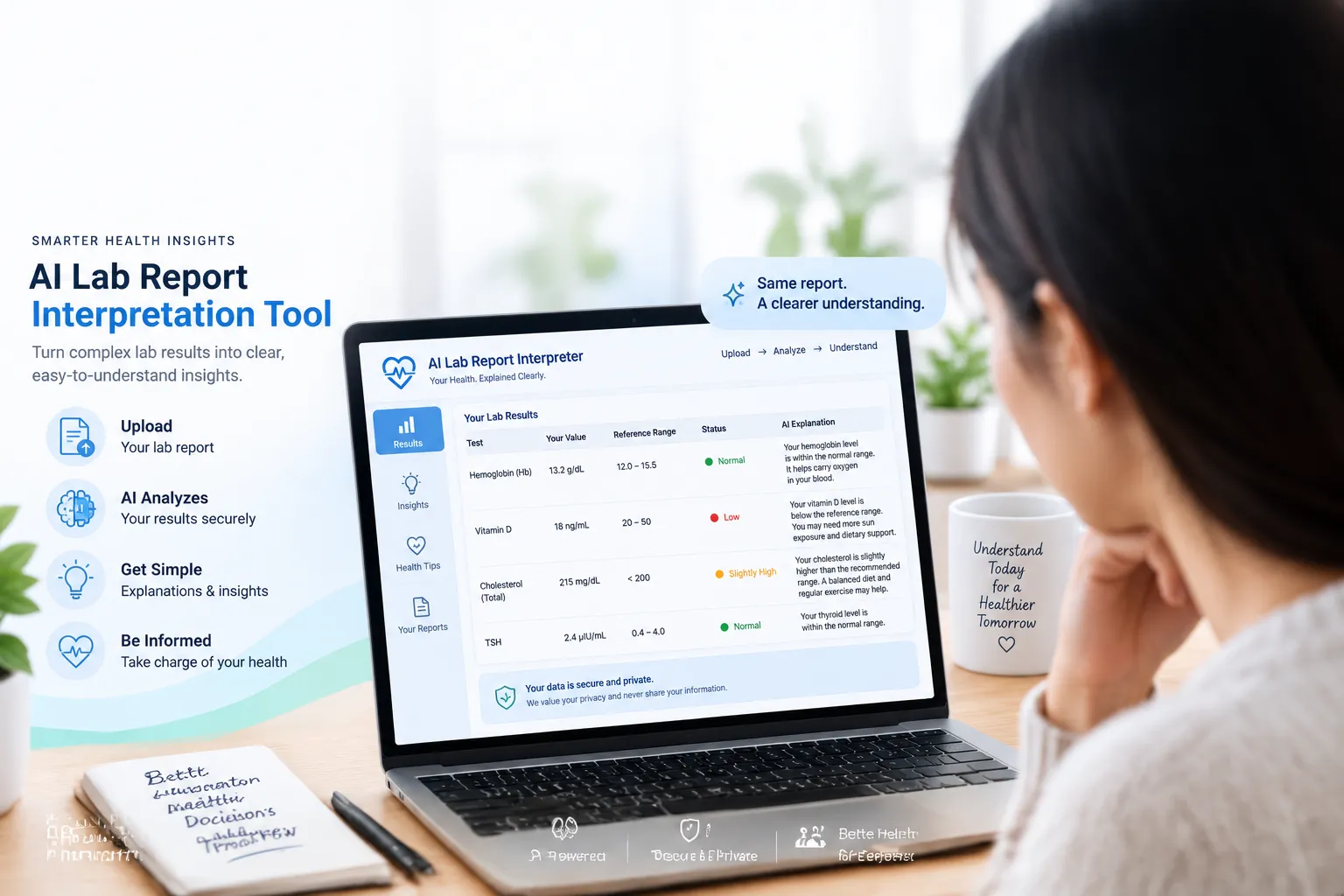
For people who find laboratory reports difficult to understand, digital tools can provide an easier way to review common test terminology. Thyroid Test Report Analysis Online AI is one example of technology designed to help users understand thyroid-related laboratory results in simpler language.
What Is a Thyroid Test?
A thyroid test may measure one or more markers depending on the reason for testing. Commonly discussed tests include:
- TSH (thyroid-stimulating hormone): Often used as an initial indicator of thyroid function.
- Free T4: Measures the unbound form of thyroxine available to tissues.
- Free T3: May be useful in certain situations when assessing thyroid function.
- Thyroid antibodies: Certain antibody tests may be used when an autoimmune thyroid condition is suspected.
The exact tests required vary from person to person. A healthcare professional determines which tests are appropriate based on symptoms, medical history, medications, and other factors.
How Can AI Help Explain a Thyroid Report?
Medical laboratory reports can contain abbreviations, reference ranges, units, and technical terminology that may be unfamiliar to the average reader.
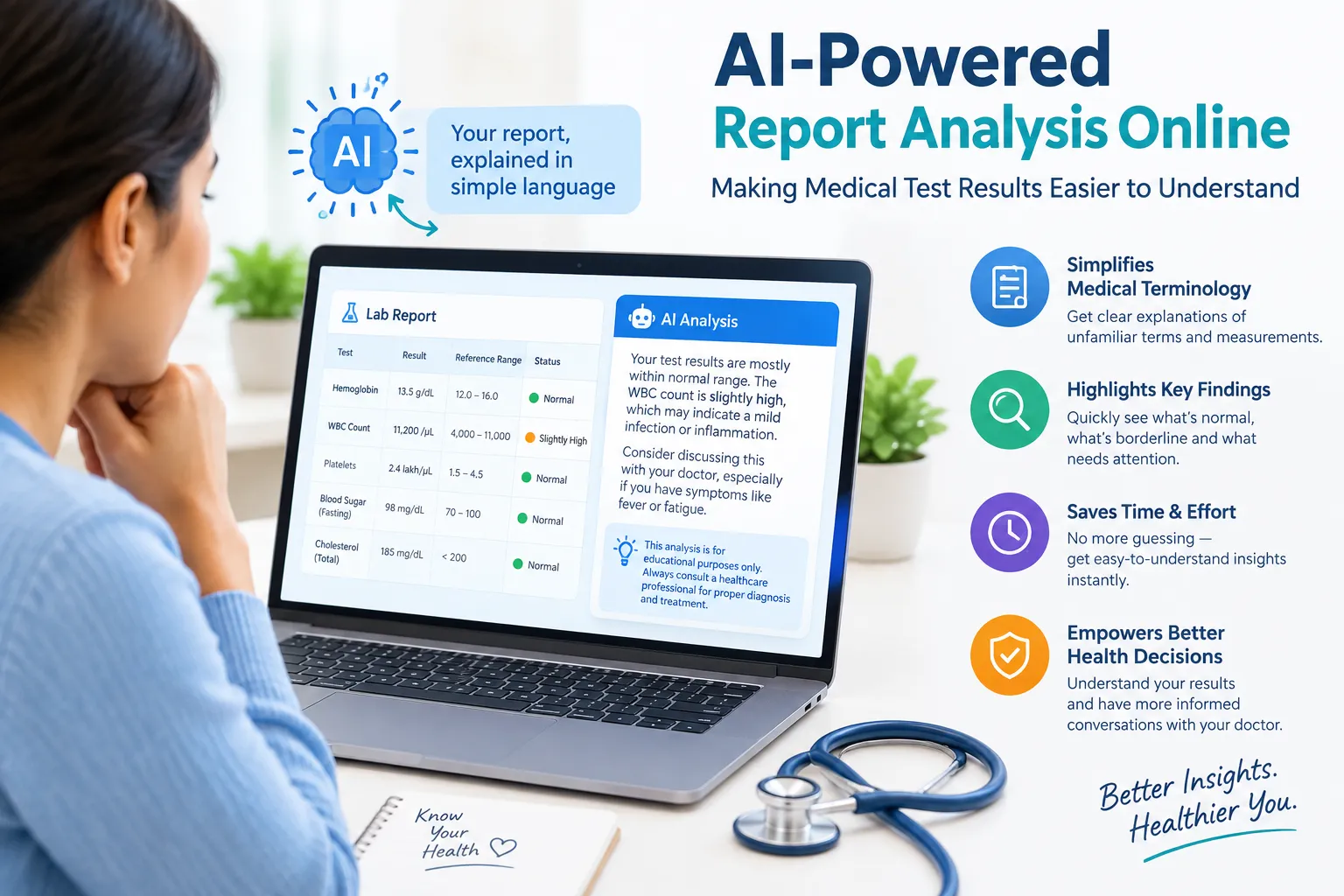
A Thyroid Test Report Analysis Online AI tool can help organize this information and explain the basic meaning of commonly reported markers. Instead of simply seeing a list of numbers, users may receive plain-language explanations of what individual tests generally measure.
For example, an AI-based system may explain what TSH represents and why it is included in a thyroid panel. It can also help users identify which values are outside the laboratory's stated reference range.
However, an AI explanation is not the same as a medical diagnosis. Reference ranges can differ between laboratories, and the meaning of a result depends on the individual's overall clinical situation.
Using an AI Lab Report Interpretation Tool
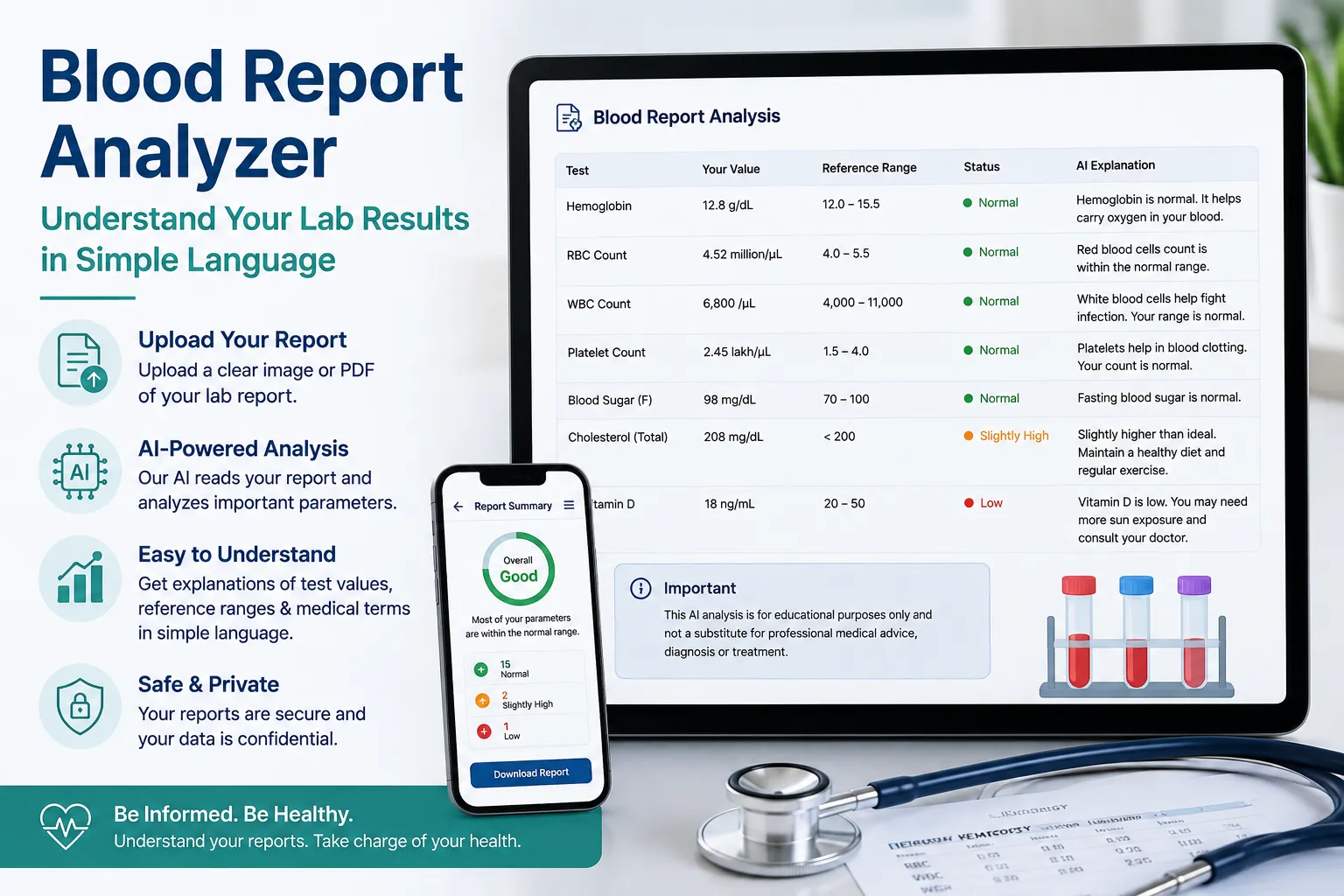
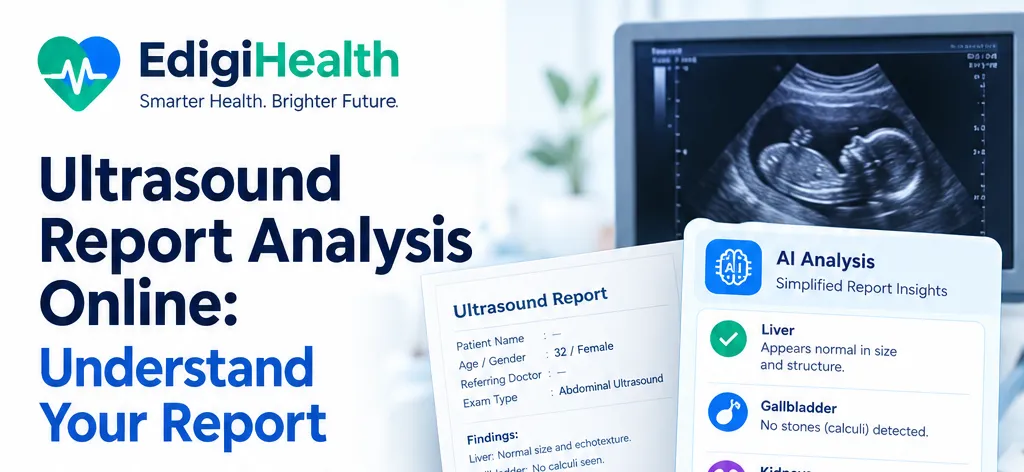
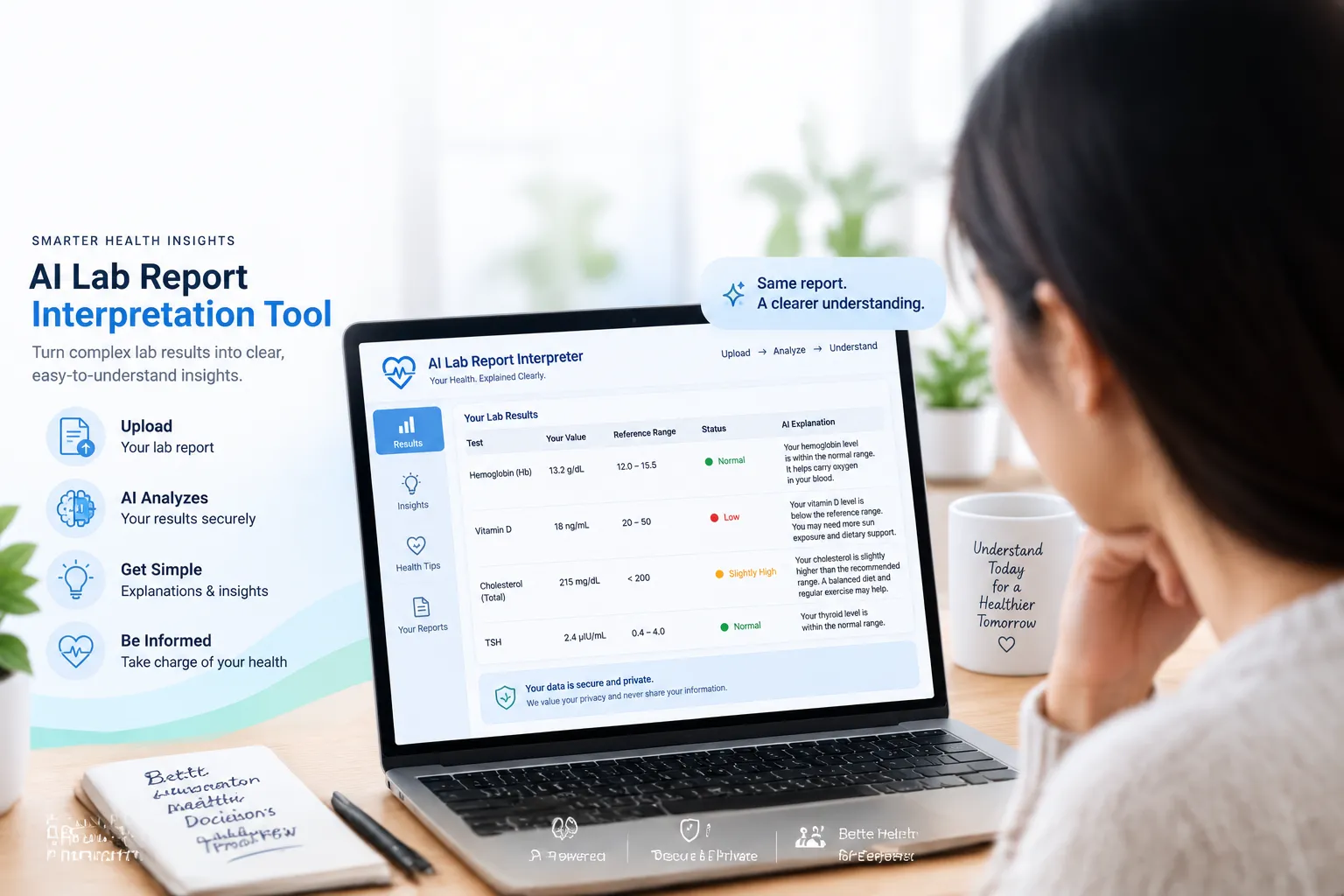
An AI lab report interpretation tool can be useful beyond thyroid testing. Depending on the platform, such tools may help users understand terminology in different types of laboratory reports.
The potential benefits include:
Easier-to-understand terminology
Medical reports can be difficult to read without a healthcare background. AI can translate technical terminology into simpler explanations.
Convenient report review
Instead of searching individually for every abbreviation, users can review several report values in one place.
Better preparation for a doctor's appointment
Understanding the basic terminology before an appointment can help patients prepare questions and discuss their results more effectively with their healthcare professional.
Identifying values that need discussion
An AI tool may highlight values that appear outside the provided reference range. This can help users know which results they may want to ask their doctor about.
Why Reference Ranges Matter
One important point when interpreting thyroid results is that laboratory reference ranges are not universal. Different laboratories may use different testing methods, units, and reference intervals.
Therefore, a value should not be interpreted simply as "good" or "bad" based on a number found online. The reference range printed on the actual laboratory report is important, along with the patient's age, symptoms, medications, medical history, and other test results.
This is one reason why an AI lab report interpretation tool should be considered an educational aid rather than a replacement for professional medical evaluation.
AI and Thyroid Reports: What Are the Limitations?
AI can make medical information easier to understand, but it has limitations. It may not know all relevant details about a person's health, and an isolated laboratory result rarely provides a complete picture.
For example, an unusual thyroid result may have several possible explanations. A healthcare professional may need additional tests, a physical examination, previous test results, or information about medications and symptoms before reaching a clinical conclusion.
Users should therefore avoid changing medication, starting treatment, or stopping prescribed treatment based solely on an AI-generated interpretation.
A Practical Way to Use AI for Lab Reports
A sensible approach is to use AI as a preparation and education tool:
- Obtain the original laboratory report.
- Review the test names, values, units, and laboratory reference ranges.
- Use an AI tool to understand unfamiliar terminology.
- Note any questions or results you do not understand.
- Discuss significant or concerning findings with a qualified healthcare professional.
- Follow professional advice regarding additional testing or treatment.
This approach allows technology to improve health literacy without replacing clinical decision-making.
Final Thoughts
Thyroid Test Report Analysis Online AI can make complex laboratory terminology easier for people to understand. Similarly, an AI lab report interpretation tool can help organize and explain information found in different types of lab reports.
The most important point is to use these technologies responsibly. AI-generated explanations can help people become more informed and prepare better questions, but thyroid results should ultimately be interpreted in the context of the individual's health and, when necessary, with guidance from a qualified healthcare professional.
Frequently Asked Questions
What does a thyroid test measure?
A thyroid test typically measures several markers, including TSH (thyroid-stimulating hormone), Free T4, Free T3, and thyroid antibodies. The specific tests ordered depend on individual symptoms, medical history, and other factors, determined by a healthcare professional.
How can AI help me understand my thyroid test results?
AI tools can simplify complex medical terminology and provide plain-language explanations of your thyroid test results. They can help you understand what different markers mean, identify values outside the normal range, and prepare you for discussions with your healthcare provider.
Are the reference ranges for thyroid tests the same everywhere?
No, reference ranges for thyroid tests can vary between laboratories due to different testing methods and units. It's important to refer to the specific reference range provided on your laboratory report, along with considering your personal health status and history.
Can I rely solely on AI tools for interpreting my thyroid test results?
While AI tools can provide helpful explanations, they should not replace professional medical advice. Laboratory results are just one piece of the puzzle, and a healthcare provider should consider additional information such as symptoms and medical history for accurate interpretation.
How should I use an AI lab report interpretation tool effectively?
To use an AI tool effectively, start by reviewing your original laboratory report, including test names, values, and reference ranges. Use the AI tool to clarify unfamiliar terms, note any questions, and then discuss your findings with a qualified healthcare professional for further guidance.
What limitations should I be aware of when using AI for thyroid test interpretation?
AI tools may not account for all relevant health details and can only provide generalized explanations. They cannot diagnose medical conditions, so it’s crucial to consult a healthcare provider for personalized advice and potential follow-up tests based on your results.
Can I change my medication based on AI interpretations of my thyroid test?
No, you should not change or stop any medication based solely on AI-generated interpretations. Always discuss any concerns or findings with your healthcare provider before making changes to your treatment plan.

























Sign in to leave a comment.