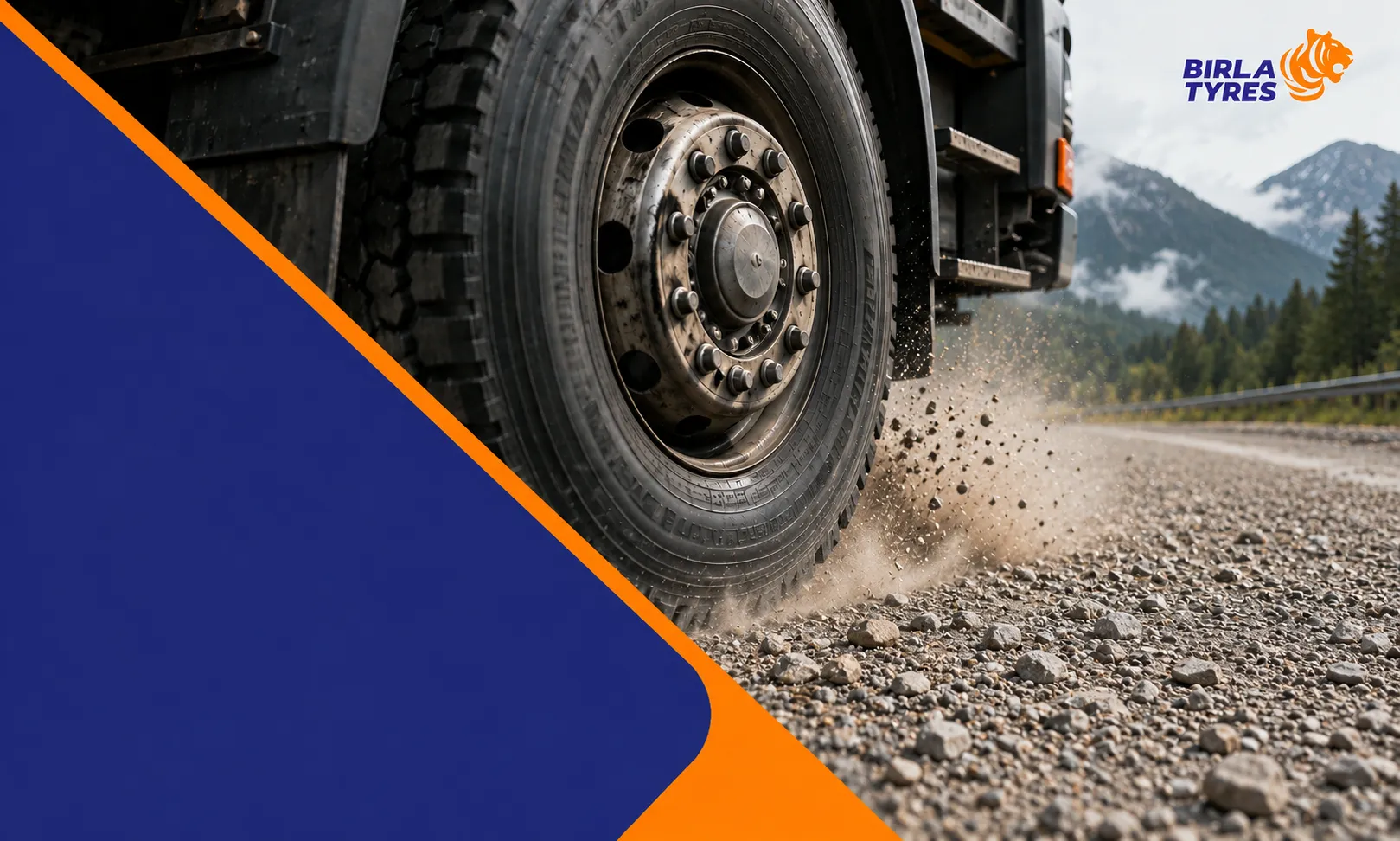

A tyre’s performance is decided long before it touches the road - it begins with the engineering hidden in its tread design. While most drivers focus on tyre size, brand reputation, or price, the pattern carved into the rubber determines how effectively a vehicle accelerates, brakes, turns, and responds to changing surfaces. From managing water flow during sudden rain to maintaining stability at highway speeds, tread design directly influences driving confidence and road safety.
The Hidden Architecture Beneath Every Tyre Surface
A tyre tread is not simply a collection of grooves; it is a carefully calculated structure created to control movement, pressure distribution, and road contact. Engineers study factors such as tread block arrangement, groove depth, and void ratio - the balance between rubber surface and open channels - to achieve the right combination of grip and durability.
A lower void ratio generally increases road contact for improved handling, while a higher void ratio helps channel water away from the tyre during wet conditions. This balance is what allows modern tyres to deliver reliable performance across different environments.
Three Tread Designs, Three Different Driving Personalities
Not every tyre is built to behave the same way. Symmetrical tread designs use a consistent pattern across the surface, offering smoother rotation, reduced noise, and dependable everyday performance. They are often preferred for regular commuting where comfort and longevity matter.
Asymmetrical designs feature different inner and outer tread zones. The inner side is typically optimized for water management, while the outer side supports cornering stability by maintaining stronger tread blocks during turns.
Directional patterns are engineered with angled grooves that push water outward as the tyre rotates. This design improves wet-road control and helps maintain traction when driving through heavy rainfall or slippery conditions.
Why Small Tread Details Create Big Driving Differences
Modern tyre tread patterns are developed through advanced engineering processes that focus on more than just grip. Tiny cuts known as sipes create additional biting edges that help tyres maintain contact on challenging surfaces. Meanwhile, optimized tread block movement reduces unnecessary flexing, which can lower heat buildup and improve tyre durability.
The arrangement of these elements also influences noise performance. Some manufacturers use variable pitch sequencing, where tread blocks are placed in specific patterns to reduce repetitive sound waves and create a quieter cabin experience.
How do I choose the right tyre tread pattern for my vehicle?
Start by understanding your regular driving conditions. Urban drivers may prioritize comfort and long tread life, while highway users may need stronger stability. If you frequently drive in wet climates, selecting a design with effective water evacuation capabilities becomes essential.
Do different tread patterns affect driving safety and tyre life?
Yes. Each tread design manages grip, heat, water flow, and wear differently. Choosing a pattern that matches your driving environment helps maintain braking performance, handling control, and long-term tyre efficiency.
Turning Tyre Knowledge into Better Mobility Choices
Selecting the right tyre is about understanding how engineering translates into everyday driving benefits. By looking beyond appearance and learning how tread technology works, vehicle owners can choose tyres that support safer journeys, improved performance, and greater confidence on every road.
Choose Confidence on Every Road
Discover how Birla Tyres blends innovation, durability, and performance to create tyres designed for modern mobility. Visit our website to explore our complete tyre range and make a smarter tyre choice for your vehicle.































Sign in to leave a comment.