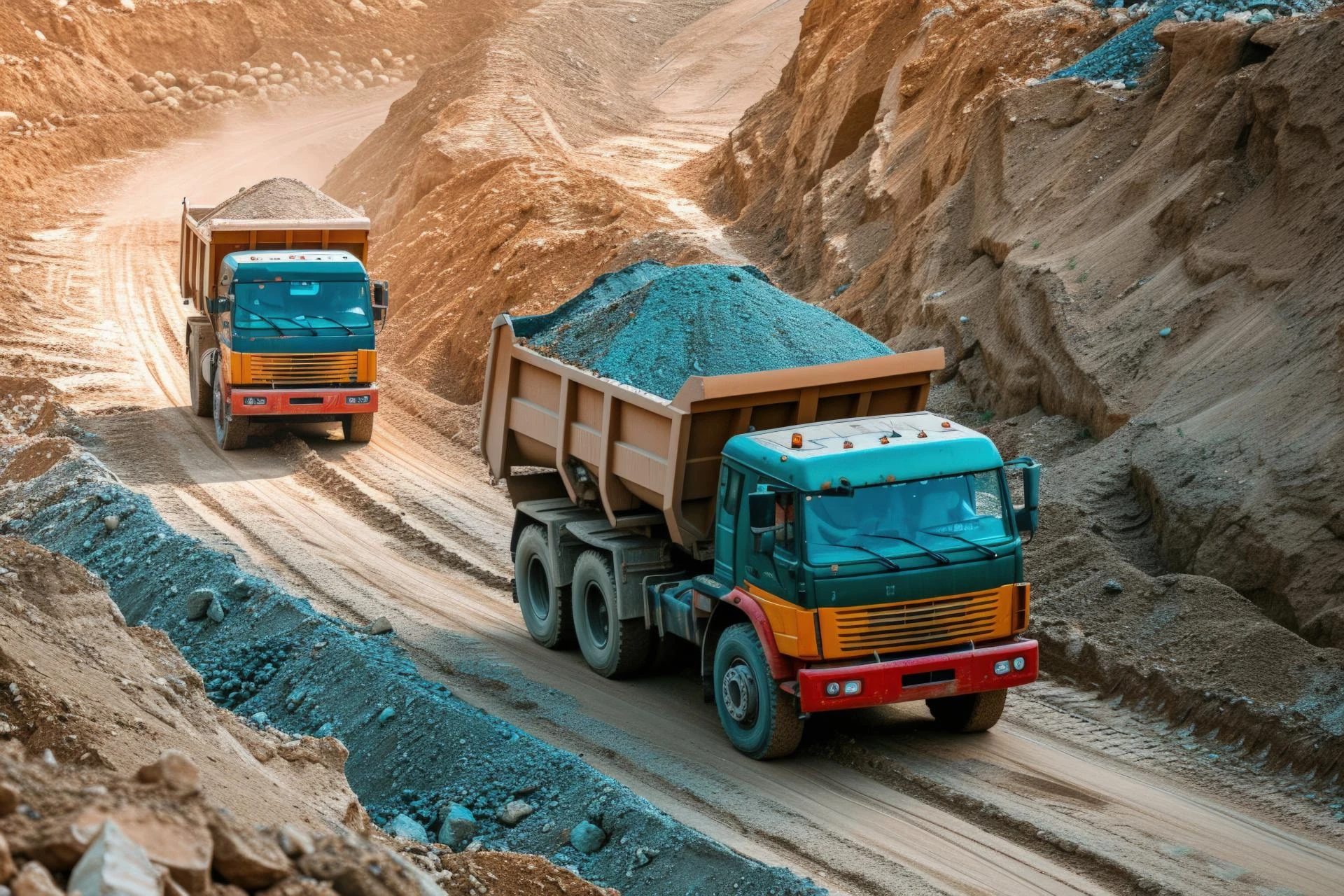

Look, if you’ve ever stood next to an 18-wheeler and wondered what it takes to keep that much weight off the asphalt, you’ve probably heard the term "plies." The old-school logic was simple: if you wanted a tougher tyre, you just added more layers. If you bought 12-ply truck tyres, you expected to see 12 literal sheets of fabric stacked inside the rubber.
But if you actually sliced a modern tyre open today, you’d be surprised. You wouldn’t find a dozen layers; you’d likely find just two or three.
So, are truck tyres getting thinner? On paper, yes. In reality? They’ve never been tougher. Let’s break down why the "count" is a myth.
The Myth of the "Layer Count"
The truck tyre ply rating is actually a bit of a leftover from the days when tyres were made of cotton. Back then, more cotton meant more strength. But we’ve moved on. In 2026, we use high-tensile steel and advanced synthetics.
One modern steel cord has the muscle of five or six old cotton sheets. So, a "12-ply rating" isn't a count of layers anymore—it’s a measurement of strength. It tells you the heavy-duty load index is high enough to handle the weight, regardless of how many physical plies are tucked inside.
Why Less is Actually More
You might think more rubber is better, but in the trucking world, heat is the enemy. Thick, bulky tyres trap heat like a furnace. A lean, radial truck tyre casing is designed to be flexible. This flexibility lowers rolling resistance—which keeps your fuel costs down—and improves heat dissipation.
A tyre that runs cool is a tyre that doesn't blow out on the highway.
The Skeleton of a Steel-Belted Truck Tyre
Modern steel-belted truck tyres are built like a precision sandwich:
- The Carcass: This is the backbone. High-quality carcass durability comes from just one or two layers of high-strength cords.
- The Belts: These sit right under the tread to provide puncture resistance against road debris.
- The Bead: Those bundles of high-carbon steel provide the bead wire strength needed to lock the tyre onto the rim under massive pressure.
Investing in a "Second Life"
For fleet owners, the real value isn't just the first run; it’s the tyre retreading quality. A top-tier casing is so well-engineered that once the tread wears down, the "bones" of the tyre are still perfect. You can retread a solid casing multiple times, saving a fortune over buying new sets every year.
The Bottom Line
Don't get hung up on counting layers. Look for the load rating and the tech behind the steel belts. In 2026, a "thin" tyre built with better materials will outhaul a thick, old-school tyre every single time.


























Sign in to leave a comment.