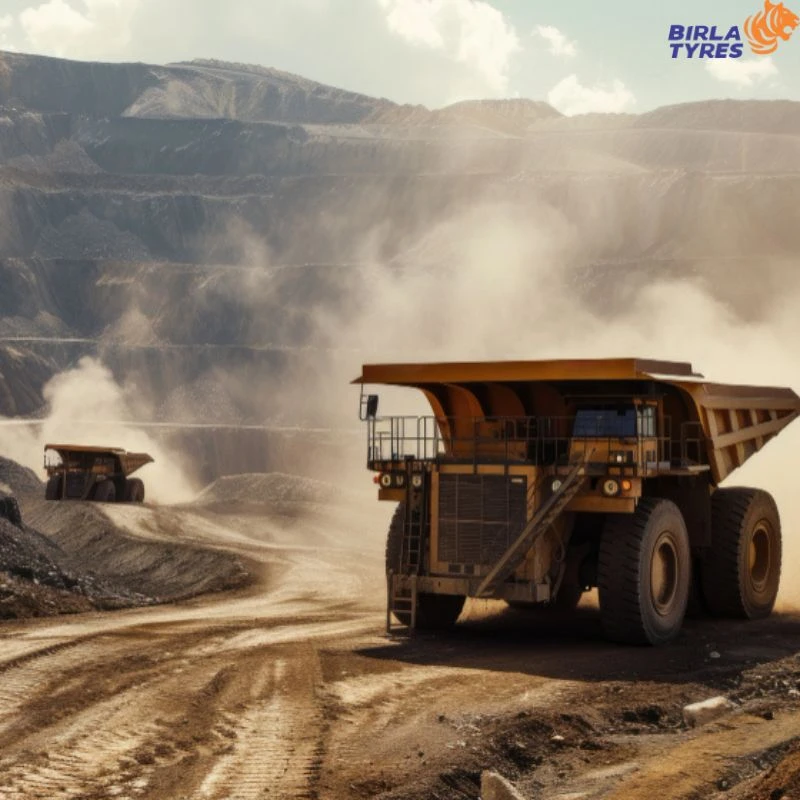

If you run a fleet in India, you’ve likely faced this dilemma at the dealership: do you go with the "local" highway tyres that are easy on the pocket today, or do you invest in heavy-duty off-road truck tyres? It’s tempting to look at the sticker price and choose the cheaper option, but for fleet owners, the real math happens on the field, not at the point of purchase.
The truth is, "local" highway tyres and otr tyres (bias) are built for two entirely different worlds. Picking the wrong one doesn’t just cost you a tyre; it costs you downtime, fuel, and safety.
The "Local" Trap: Why Highway Tyres Fail Off-Road
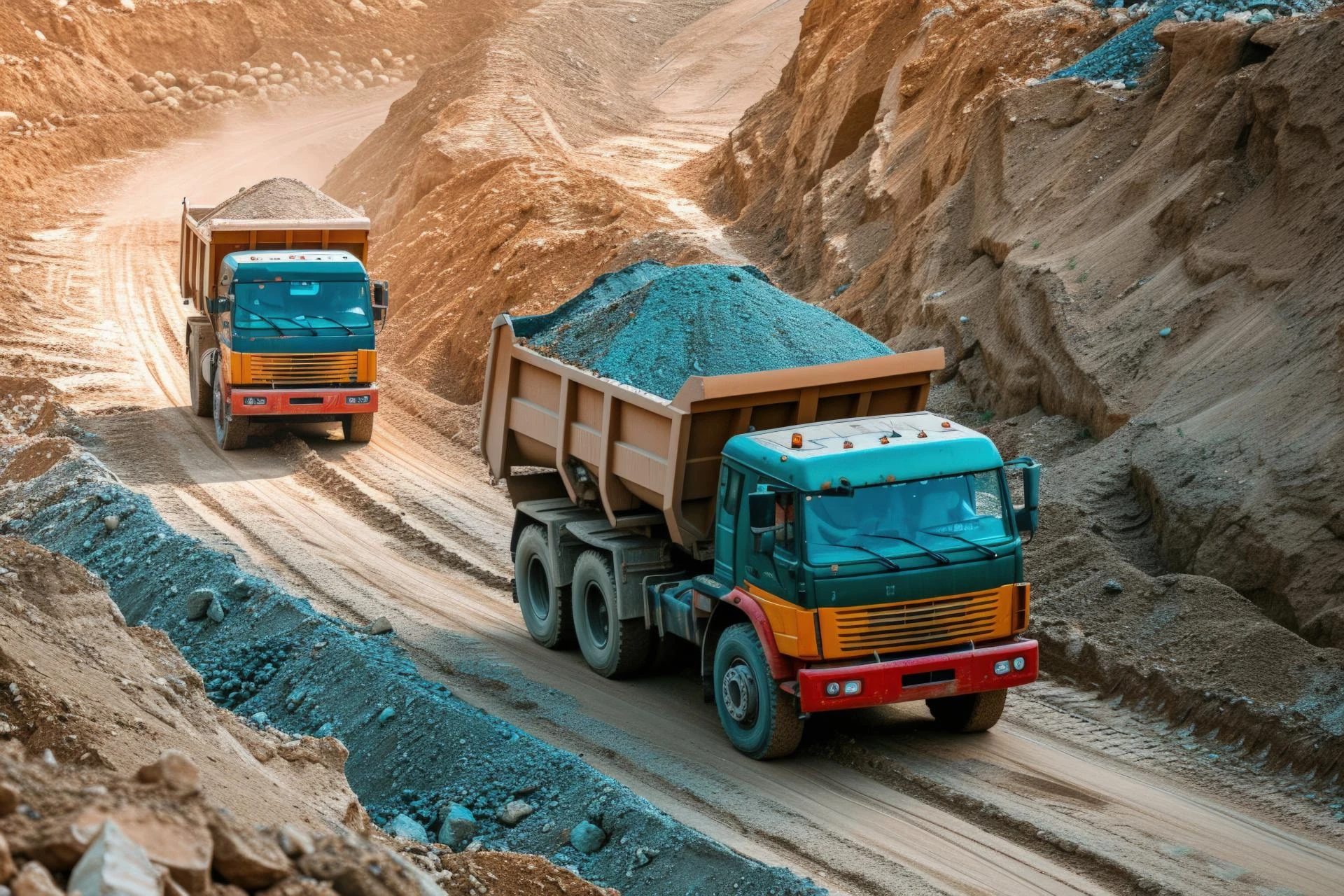
Standard local tyres are designed for the smooth, predictable surfaces of the golden quadrilateral. They prioritize fuel efficiency and heat dissipation at high speeds. However, the moment you take these tyres into a mining site or a construction zone, they are out of their element.
Highway tyres lack the reinforced sidewall protection required to survive jagged rocks and debris. In a rugged environment, a "cheap" tyre often ends up being the most expensive mistake you can make when a single sidewall cut leads to an immediate blowout.
The Power of Bias-Ply Construction
This is where bias-ply construction comes into play. Unlike radial tyres that have flexible walls, bias OTR tyres are built with multiple layers of rubberized fabric placed diagonally. This creates a thick, rugged carcass that acts like armor.
For mining truck tyres and earthmover tyres, this stiffness is a superpower. It provides:
- Superior Puncture Resistance: The cross-hatch layers make it incredibly difficult for sharp stones to penetrate the casing.
- High Load Stability: When your truck is carrying tons of ore or construction material, the rigid sidewalls of a bias tyre prevent the "swaying" motion that can lead to tipping.
Calculating the Real Bottom Line: TCO over Price
In the B2B world, we don't measure success by kilometers alone. We measure it by Total Cost of Ownership (TCO) and Cost per Hour (CPH).
Imagine a construction tyre that costs 20% more but lasts twice as long in a rocky quarry. When you factor in the cost of a mechanic’s time, the lost revenue of a stationary truck, and the price of frequent replacements, the OTR tyre wins every time.
Making the Decision
Utilise local highway tyres if your trucks are operating on tarmac 90% of the time. Nevertheless, industrial tyres are a necessity instead of a luxury if your line of work involves "off-road" circumstances, especially in mines, irrigation projects, or warehouses.
Heavy duty tyres built with bias technology are designed to take a beating so your profit margins don't have to. Next time you're looking at your fleet's expenses, stop asking what the tyre costs to buy. Ask what it costs to run.
























Sign in to leave a comment.