
Getting into a car accident is stressful enough without the added confusion of navigating your auto insurance. Unfortunately, for many drivers, insurance policies can feel like a maze of jargon and red tape. What does collision coverage really mean? How do you deal with an uninsured motorist? And what are the steps to take after an accident to secure your claim?
If these questions sound familiar, you’re in the right place. This guide will break down everything you need to know about handling your auto insurance after an accident, giving you peace of mind when it matters the most.
Immediate Steps After an Accident
The moments following an accident are critical—not just for your safety but also for your insurance claim. Here’s what to do immediately:
1. Document the Scene
- Take photos of the vehicles, license plates, damage, and surrounding area. Make sure to capture road conditions, traffic signs, and any visible injuries.
- These visuals can serve as crucial evidence when filing your insurance claim.
2. Exchange Information
- Collect the other driver’s name, contact information, insurance policy number, and license plate.
- Provide your information in return, but do not admit fault or discuss details of the accident.
3. Contact the Police
- Even for minor accidents, it’s a good idea to call the police. Their accident report can be a vital piece of evidence during the claims process.
- Be clear and factual when providing your statement.
Remember, acting swiftly after the accident can significantly impact the outcome of your insurance claim.
Notifying Your Insurance Company
Once you’ve documented the scene and ensured safety, your next step is to notify your insurance provider. Here’s how to do it right:
What to Say
- Provide only factual information such as the time, location, and basic details of the accident.
- Stick to the facts that you’re sure of, and avoid speculating about what happened.
What Not to Say
- Avoid admitting fault. Your insurance company will investigate to determine liability.
- Don’t guess or estimate damage costs prematurely. Leave that to the claims adjuster’s expertise.
Most insurance companies have deadlines for reporting an accident, so reach out promptly to avoid complications.
Understanding Your Coverage
Before you file a claim, it’s important to understand the different types of coverage in your policy. These are the basics:
1. Collision Coverage
This covers damage to your vehicle caused by an accident, regardless of who is at fault. For example, if you rear-end another car, collision coverage will pay for the repairs to your vehicle (minus the deductible).
2. Comprehensive Coverage
Comprehensive covers non-accident-related damage, such as vandalism, theft, natural disasters, or a tree falling on your car. It complements collision coverage to offer broader protection.
3. Liability Coverage
Liability covers damages you cause to another person or their property. It’s mandatory in most states and includes:
- Bodily injury liability for medical expenses.
- Property damage liability for repairs to the other driver’s vehicle.
Understanding these categories ensures you know what costs are covered after an accident.
Dealing With Uninsured or Underinsured Motorists
What if the other driver doesn’t have enough insurance? Dealing with uninsured or underinsured motorists can be tricky but manageable.
Navigating Claims
- If you have Uninsured Motorist Coverage (UM) or Underinsured Motorist Coverage (UIM), you can file a claim with your own insurance provider to cover damages.
- This coverage is particularly valuable in hit-and-run scenarios or when the at-fault driver has no coverage.
Legal Options
If you lack UM or UIM coverage, you may need to consider legal action to recover damages. Consult an attorney to understand your options and the likelihood of reimbursement.
The Claims Process
Filing an insurance claim is a multi-step process. Here’s how it typically unfolds:
- Contact Your Insurance Company
Provide all requested information, such as photos, police reports, and the other party’s details.
- Work With a Claims Adjuster
Your insurer will assign a claims adjuster who will assess the damage, determine fault, and calculate the cost of repairs or medical expenses.
- Receive a Settlement Offer
If the claim is straightforward, your insurer may offer a settlement amount. Review it carefully, and don’t hesitate to negotiate if it seems insufficient.
- Litigation (if Necessary)
For disputed claims, the process may require mediation or litigation. Legal representation can be invaluable at this stage.
Patience is key during the claims process, as timelines can vary depending on the complexity of the case.
Common Mistakes to Avoid
Small errors after an accident can have big consequences on your insurance claim. Here are some common pitfalls to watch out for:
- Failing to Notify Your Insurer Promptly
Waiting too long to report the accident can lead to claim denial.
- Not Documenting the Scene Thoroughly
Missing photos or details could weaken your claim in disputes over fault.
- Admitting Fault at the Scene
Even a casual “I’m sorry” can be twisted into an admission of liability.
- Settling Too Quickly
Accepting the first settlement offer may leave you with insufficient funds for repairs or medical expenses.
By avoiding these missteps, you can protect your claim and ensure a smoother process.
Be Prepared for the Unexpected
Understanding your auto insurance policy is essential for navigating the aftermath of an accident. From documenting the scene and notifying your insurer to filing a claim and avoiding common mistakes, small steps can lead to big peace of mind.
Your insurance policy is a safety net, but don’t hesitate to seek legal guidance if you encounter challenges in the claims process. Being well-prepared ensures you're in the best possible position to protect yourself financially.
For more information on navigating after-accident insurance claims, consult a trusted attorney or speak with your insurance provider today.
About Alpha Collision Center
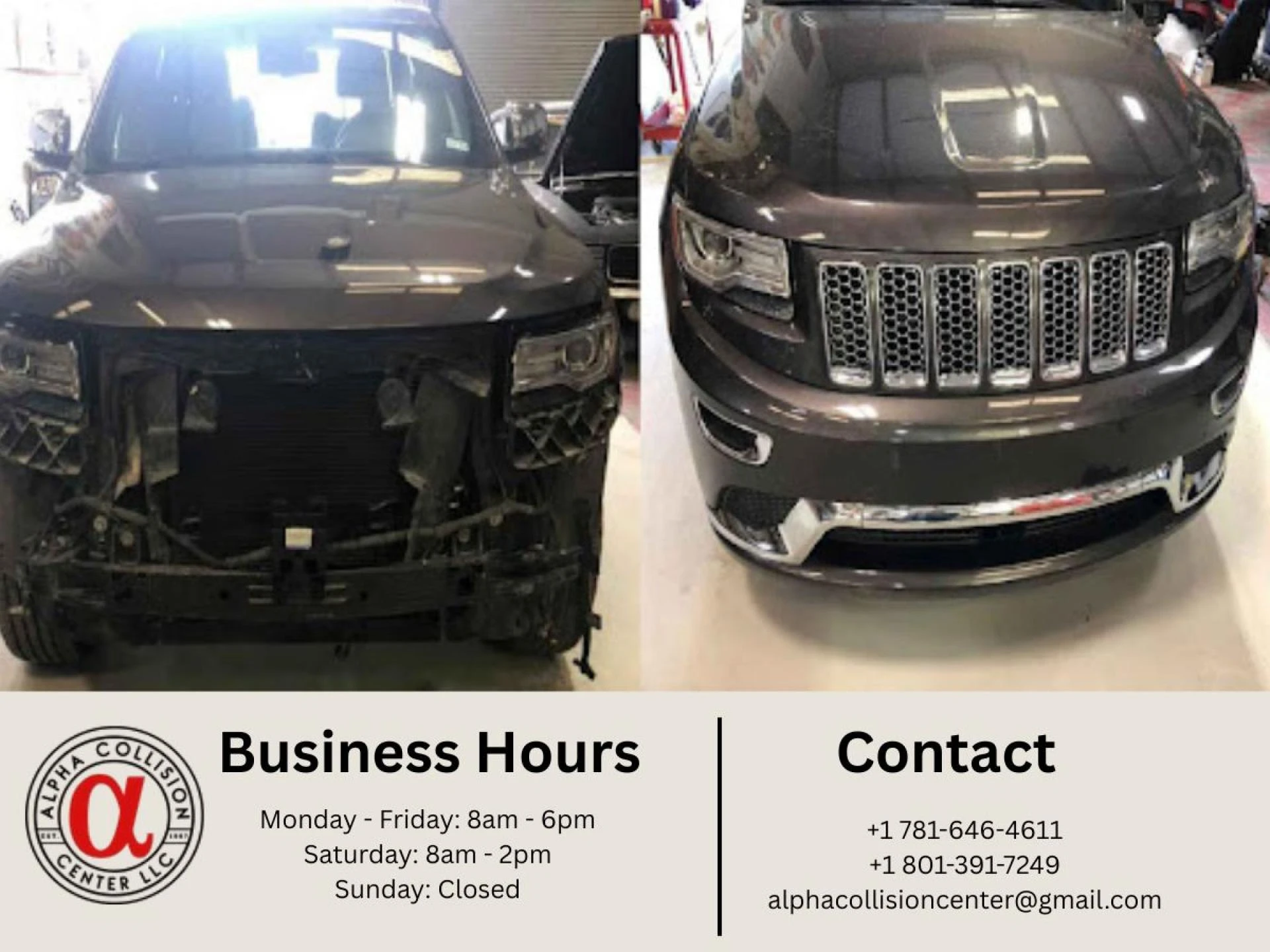
Alpha Collision Center is a trusted auto body repair shop committed to delivering high-quality collision repair services in Arlington, MA. With over 30 years of experience, the shop specializes in everything from dent removal and frame straightening to complete auto painting and insurance claim assistance. Known for exceptional workmanship and customer service, Alpha Collision Center works on all makes and models, offering free estimates and partnering with all major insurance providers to ensure a smooth repair experience.










Sign in to leave a comment.