

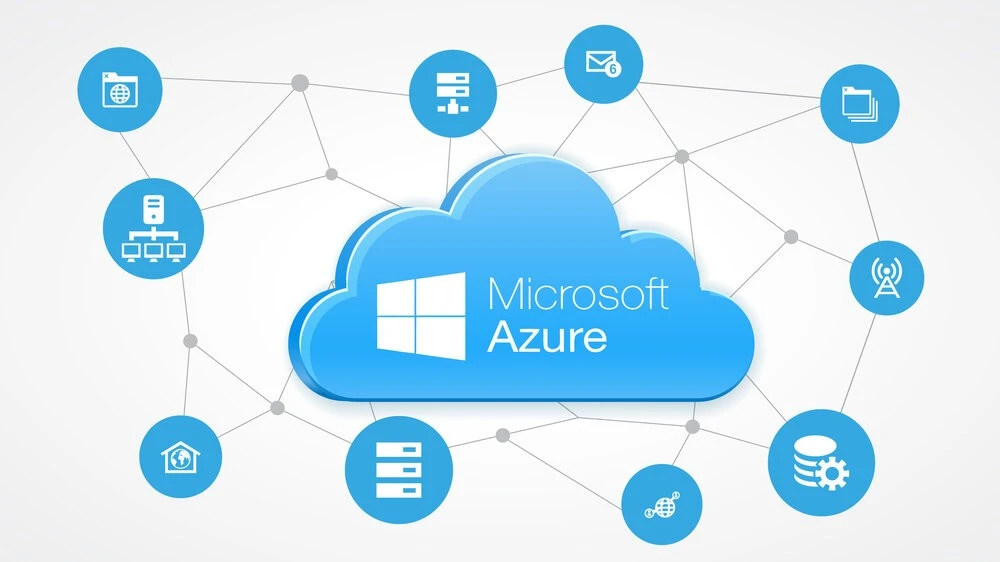
Cloud computing has transformed how organizations access computing resources and scale their operations. Microsoft Azure is one of the leading cloud platforms that offers a wide range of cloud services to build, deploy, and manage applications on a global network. This article provides an overview of how Microsoft Azure unlocks the power of cloud computing by offering various services and capabilities.
What is Cloud Computing?
Cloud computing refers to the on-demand delivery of computing services like servers, storage, databases, networking, software, analytics, and intelligence over the internet. The cloud providers host, operate, and maintain the computing infrastructure, while the customers access the services on a pay-as-you-go basis.
Some key characteristics of cloud computing:
Self-service on demand: Customers can provision computing capabilities as needed without any human interaction with the service provider.
Broad network access: Capabilities are available over the network and can be accessed via standard platforms (mobile, tablets, laptops, PCs).
Resource pooling: Provider’s resources are pooled to serve multiple customers using a multi-tenant model. Customers have no control over the exact location of the provided resources but can specify location at a higher level.
Rapid elasticity: Capabilities can be rapidly provisioned and released to scale rapidly outward and inward commensurate with demand.
Measured service: Cloud systems automatically control and optimize resource use by leveraging a metering capability. Resource usage can be monitored, controlled, and reported providing transparency for both the provider and consumer.
An Introduction to Microsoft Azure Services?
Microsoft Azure is a cloud computing platform that provides businesses with a wide array of services like cloud storage, virtual machines, networking, and more. Microsoft Azure Services enables businesses to rapidly build, deploy, and manage applications by leveraging Microsoft’s global network of data centers as their own flexible and cost-effective infrastructure.
What is The Role of Microsoft Azure in Cloud Computing?
Here is a summary of the role of Microsoft Azure in cloud computing:
Microsoft Azure is a leading public cloud platform that provides a wide range of cloud computing services for building, deploying, and managing applications and services through Microsoft’s global network of data centers. Some key roles Azure plays in cloud computing:
Provides Infrastructure as a Service (IaaS) — Azure offers on-demand computing resources like virtual machines, storage, networks, etc. This allows organizations to scale and manage infrastructure flexibly without upfront investments.
Platform as a Service (PaaS) — Azure offers development platforms and managed services for building intelligent cloud apps quickly without managing the underlying infrastructure. This includes services for databases, AI, containers, web apps, serverless computing, etc.
Supports Hybrid Cloud — Azure seamlessly integrates with on-premises IT environments through Azure Stack, Azure ExpressRoute, etc. Organizations can run applications across public cloud and private data centers.
Flexible Payment Options — Azure services are available on pay-as-you-go monthly/hourly basis. Customers pay only for what they use without long-term commitments.
Provides Comprehensive Solutions — Azure offers over 100 services to support a wide range of workloads such as computing, storage, networking, databases, analytics, machine learning, IoT, web, mobile, etc.
Secure and Compliant — Azure adheres to industry regulatory standards with built-in security controls, encryption, and monitoring to keep data secure.
In summary, Microsoft Azure enables organizations to leverage scalable, flexible, and enterprise-grade cloud computing capabilities for running modern applications and workloads in the cloud. Its comprehensive set of integrated services supports innovation and business agility.
What are the Benefits of Microsoft Azure Cloud Services?
Microsoft Azure offers several benefits for organizations looking to leverage the power of cloud computing:
- Global Reach and Scale
Microsoft has data centres located across the globe to provide services with low latency access anywhere. Azure is trusted to meet enterprise and governmental security and compliance needs.
2. Flexibility and Agility
Azure offers on-demand access to a wide range of computing resources so businesses can experiment and innovate faster. IT can quickly scale to meet fluctuating demands.
3. High Availability and Reliability
Azure offers comprehensive business continuity capabilities like data replication, auto-failover clusters, backup, etc. Enterprises can run mission-critical apps with confidence.
4. Security
Azure utilizes industry-leading security technologies, monitoring, and encryption to safeguard data. Enterprises can customize security for regulatory compliance needs. Multi-factor authentication and role-based access add enhanced security.
5. Pay-as-You-Go Pricing
Azure services are available on a pay-as-you-go hourly or monthly basis. Enterprises pay only for what they use without long-term commitments. Operating expenditure costs are flexible.
Conclusion
Cloud computing has evolved into an essential part of IT strategies today. Microsoft Azure stands out as a leading cloud platform that offers a vast range of integrated services to build, deploy, and manage modern applications seamlessly in the cloud. Azure provides on-demand access to enterprise-grade computing resources, storage, networking, databases, analytics, AI, and a wide range of additional services. Organizations can avoid upfront infrastructure costs and scale flexibly to meet demands.
























Sign in to leave a comment.