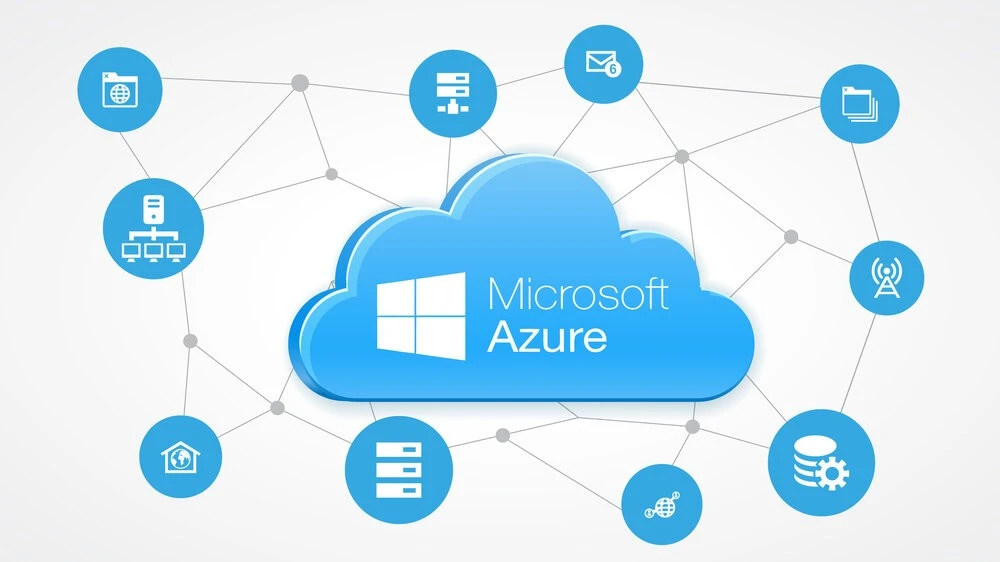

In today’s fast-paced digital world, businesses are constantly looking for ways to stay agile, secure, and innovative. One of the most powerful tools enabling this transformation is Microsoft Azure Services. Developed by Microsoft, Azure is a comprehensive cloud computing platform that offers a wide range of enterprise-grade solutions—from analytics and storage to networking and AI. It’s no surprise that even Fortune 500 companies rely on Azure to power their operations.
The global cloud computing market is booming and is expected to surpass $1 trillion by 2028. In fact, by the end of 2023, Azure held a 24% share in the cloud infrastructure market, making it the second-largest cloud provider worldwide, just behind Amazon. This dominance highlights Azure’s growing importance in shaping the future of technology.
So, what exactly is Microsoft Azure, and how does it work? Let’s dive in.
What Is Microsoft Azure? (Definition, Deployment Models, and Cloud Services)
Microsoft Azure is a versatile cloud platform that enables businesses and individuals to access and manage a wide range of services. Think of it as a massive toolbox filled with solutions for storage, computing, analytics, networking, migration, and more. Whether you’re a developer building applications or an IT professional managing infrastructure, Azure provides everything you need to succeed.
Azure supports multiple deployment models, including public and private clouds, giving organizations flexibility in how they manage their resources. It offers three primary service models .This combination of services ensures that Microsoft Azure Services can meet the needs of businesses of all sizes, from startups to global enterprises.
How Does Azure Work? (Virtualization and Hypervisors)
At the heart of Azure’s functionality is virtualization. This technology separates the tight coupling between a computer’s CPU and operating system using a hypervisor—an abstraction layer that mimics real computer functions in a virtual machine (VM).
Multiple VMs can run on a single physical machine, and Azure manages these VMs through its robust infrastructure. This allows businesses to scale resources up or down based on demand, ensuring cost efficiency and flexibility. Essentially, Azure delivers computing power, storage, and networking capabilities on-demand to millions of users worldwide.
Top Features of Microsoft Azure
Azure’s popularity isn’t just about its scale—it’s about the powerful features it offers. Here are some of the most notable ones:
1.Data Storage and Management
Azure provides secure and scalable storage solutions. Services like Azure SQL Database offer managed relational databases, while Azure Blob Storage handles massive amounts of unstructured data. These tools ensure businesses can store and retrieve data efficiently.
2. Single-Pane Operations
Managing hybrid environments can be complex, but Azure simplifies it through its Operations Management Suite (OMS). This centralized dashboard offers a unified view of all resources, making monitoring and management seamless.
3. AI and Machine Learning
Azure integrates cutting-edge AI and ML capabilities. With Azure Machine Learning Studio, businesses can build, train, and deploy machine learning models to gain actionable insights and automate processes.
4. Hybrid Capabilities
Not every organization can move entirely to the cloud. Azure’s hybrid solutions, like Azure Stack and Azure Arc, allow businesses to integrate on-premises infrastructure with cloud services, offering flexibility and control.
5. Mobile and Media Services
Azure supports mobile app development and media streaming. It provides tools for push notifications, content protection, encoding, and analytics—perfect for businesses looking to enhance user engagement.
What Does Azure Do? (Key Applications and Solutions)
Azure isn’t just a platform—it’s a solution powerhouse. Here are some of its most common applications:
- Software Development and Testing
Azure accelerates the development lifecycle by offering tools for testing, code sharing, and troubleshooting. Developers can build and deploy apps faster and more efficiently.
- Containerization and Orchestration
With Azure Kubernetes Service (AKS) and Docker support, businesses can manage large-scale container deployments effortlessly.
- IT Security and Identity Management
Security is a top priority, and Azure delivers with services like Azure Active Directory (Azure AD) for identity and access management, along with encryption key management.
- DevOps Implementation
Azure DevOps provides tools for continuous integration and delivery (CI/CD), enabling teams to streamline workflows and improve collaboration.
- Internet of Things (IoT) Solutions
Azure IoT Hub acts as a central hub for communication between IoT devices and the cloud, allowing businesses to monitor and analyze sensor data in real time.
Who Uses Microsoft Azure? (Industry Adoption)
Azure’s versatility makes it a favorite across industries. In fact, 95% of Fortune 500 companies use Azure. Here’s how different sectors leverage Microsoft Azure Services:
1.Government
Governments worldwide use Azure for secure collaboration, data protection, and compliance. Azure Government offers specialized services for sensitive projects like aerospace and defense.
2. Healthcare
Healthcare providers rely on Azure’s AI and mixed reality features to improve patient outcomes, maintain privacy, and comply with regulations like HIPAA.
3.CRM Software
Major CRM platforms, including Salesforce, run on Azure’s infrastructure, enabling businesses to manage customer relationships effectively.
4.Finance
Financial institutions use Azure to automate processes, reduce human error, and maintain compliance with strict industry standards.
5. Retail
Retailers leverage Azure’s analytics to personalize customer experiences, optimize supply chains, and boost sales.
Wrap-Up
Microsoft Azure is more than just a cloud platform—it’s a catalyst for digital transformation. From storage and AI to IoT and DevOps, Microsoft Azure Services empower businesses to innovate, scale, and stay competitive in an ever-changing market. As cloud computing continues to grow, the opportunities with Azure are endless. Whether you’re an IT professional, developer, or business leader, mastering Azure can open doors to exciting possibilities. If you’re ready to dive deeper, consider enrolling in a certification course to enhance your skills and stay ahead in this dynamic field. The future is cloud-driven, and Microsoft Azure is leading the way.
Microsoft Azure provides limitless opportunities for organizations looking to future-ready their operations and accelerate digital transformation. By partnering with Alletec, you can develop a tailored Azure strategy aligned with your business goals. Get in touch with us today to discover how we can help you realize the full value of Azure for your organization.





























Sign in to leave a comment.