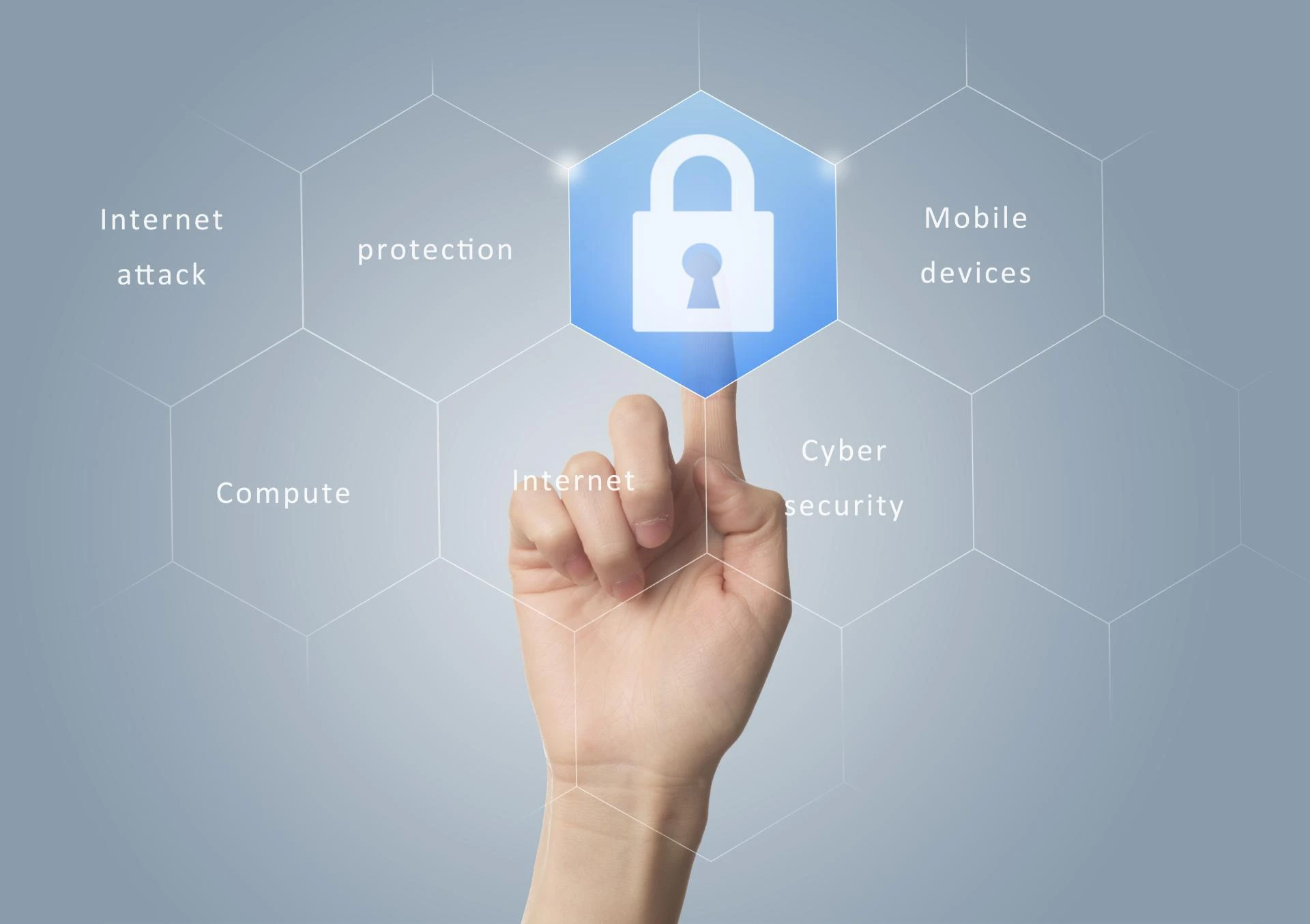

The Rise of Passwordless Authentication: A Secure Future Without Passwords
In today’s digital age, the traditional use of passwords for securing online accounts is increasingly seen as outdated and vulnerable. Data breaches, phishing attacks, and password fatigue have highlighted the need for stronger and more user-friendly authentication methods. Enter passwordless authentication, a cutting-edge solution that promises to enhance security while simplifying the user experience. This article explores the benefits, methods, and future of passwordless authentication.
What is Passwordless Authentication?
Passwordless authentication is a method of verifying a user’s identity without requiring them to enter a password. Instead, it utilizes alternative methods such as biometrics, one-time passcodes (OTPs), or hardware tokens to authenticate users. By eliminating passwords, which are often susceptible to theft or phishing, passwordless authentication significantly reduces security risks while offering a smoother, more efficient login experience.
Why Passwordless Authentication is Gaining Traction
Several factors are driving the growing adoption of passwordless authentication, both among individuals and businesses:
- Increased Security: Passwords have long been the weakest link in digital security. They can be easily guessed, stolen, or phished. Passwordless authentication methods, such as biometrics (fingerprints or facial recognition) or hardware tokens, are more difficult to compromise. These methods rely on something the user has (a device or token) or something the user is (biometric traits), making them more secure than passwords.
- Better User Experience: The average user is burdened with remembering multiple passwords for different sites and services. Password resets are common, and users often fall into the trap of reusing passwords across multiple platforms, making their accounts more vulnerable. Passwordless authentication removes this pain point, allowing users to authenticate via quick and seamless methods like a fingerprint scan or a push notification, offering a faster and more convenient login experience.
- Reduced IT Overhead: Managing passwords can be a costly and time-consuming process for businesses. Employees forget passwords, reset requests pile up, and IT teams are often tasked with dealing with security breaches linked to weak or reused passwords. By shifting to passwordless authentication, organizations can reduce the administrative burden of password management, freeing up valuable resources for other tasks.
- Compliance and Regulation: As data privacy regulations such as GDPR and CCPA become more stringent, organizations are under increasing pressure to protect user data. Passwordless authentication helps businesses meet these compliance requirements by offering a more secure and privacy-respecting method of user verification, reducing the risks of data breaches.
Methods of Passwordless Authentication
There are several techniques used in passwordless authentication, each with its own benefits and applications:
- Biometric Authentication: This is one of the most common forms of passwordless authentication. By using facial recognition, fingerprints, or even voice recognition, users can authenticate themselves securely and effortlessly. Biometrics are unique to each individual, making them highly secure and difficult to replicate.
- One-Time Passcodes (OTP): OTPs are temporary, single-use codes sent to a user’s phone or email. These codes are valid for only a short period, adding an extra layer of security. OTPs are typically used in conjunction with other factors for multi-factor authentication but can also serve as the sole means of authentication in passwordless systems.
- Push Notifications: Push notifications are another popular method in passwordless authentication. When a user attempts to log in, a notification is sent to their device, asking them to approve or deny the login attempt. This method is convenient and ensures that the person requesting access is the legitimate user.
- Hardware Tokens: Devices such as USB security keys or smartcards are used to authenticate users. The token generates a secure code that is used to grant access to a system. This method is widely used in environments where heightened security is necessary, such as financial institutions and government agencies.
The Future of Passwordless Authentication
The future of passwordless authentication looks promising, with increasing adoption across various sectors. As cyber threats become more sophisticated, passwordless authentication will continue to evolve, incorporating advanced technologies such as behavioral biometrics, which analyze user behavior patterns (like typing speed or mouse movement) for continuous authentication.
As organizations seek to enhance security while improving user experience, passwordless authentication will play a central role in the development of more secure and convenient digital ecosystems. Additionally, it is expected that the growing adoption of mobile devices, wearable technology, and the Internet of Things (IoT) will further accelerate the transition to passwordless solutions.
Conclusion
Passwordless authentication is not just a passing trend; it’s the future of secure digital access. By eliminating the need for traditional passwords, this innovative technology offers a safer, more user-friendly alternative that is gaining widespread adoption. With enhanced security, reduced IT overhead, and a better user experience, passwordless authentication is poised to become the standard for online security in the years to come. As more businesses and individuals recognize the value of passwordless systems, we are likely to see a shift toward a password-free digital world, making online interactions safer and more seamless.


























Sign in to leave a comment.