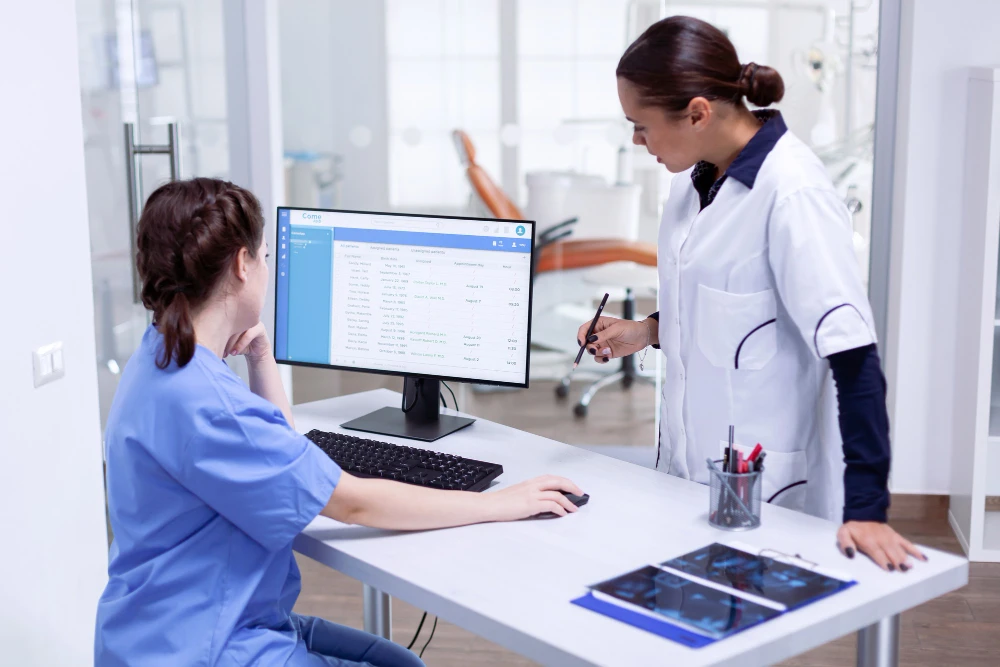

In healthcare environment, efficiency isn’t just a luxury—it’s a necessity. One of the biggest challenges clinics and hospitals face is managing appointment scheduling and patient flow without errors or delays. Enter medical scheduling software—a powerful tool that streamlines processes and enhances patient care.
Here are five key ways medical scheduling software boosts operational efficiency:
1. Automated Appointment Booking and Reminders
Manually scheduling appointments is time-consuming and prone to human errors, such as double bookings. Medical scheduling software automates the entire process, allowing patients to book appointments online through secure portals. Additionally, automated reminders via SMS or email reduce no-show rates by keeping patients informed and prepared.
2. Efficient Resource Allocation
Effective resource management is crucial for optimizing clinical operations. Scheduling software helps allocate examination rooms, medical equipment, and staff members efficiently. By having a centralized view of resources, healthcare providers can avoid overbooking and ensure that all appointments run smoothly.
3. Improved Patient Flow and Wait Times
Long wait times are a common complaint in healthcare settings. Medical scheduling tools enable practices to better manage appointment durations and streamline check-in processes, reducing bottlenecks. With real-time tracking and adjustments, clinics can accommodate emergency cases without disrupting the existing schedule.
4. Data-Driven Insights for Continuous Improvement
Scheduling software provides valuable insights through reporting and analytics. Clinics can track appointment trends, cancellation rates, and patient preferences. These data points help healthcare administrators identify inefficiencies and implement process improvements, ultimately enhancing operational performance.
5. Improved Patient Experience and Staff Efficiency
Streamlined scheduling leads to a better patient experience and more productive staff. When patients can effortlessly book, reschedule, or cancel appointments, their healthcare journey becomes smoother and more convenient. At the same time, front desk staff spend less time on tedious administrative tasks, freeing them to engage in more meaningful interactions with patients.
Final Thoughts
Medical scheduling software is a game-changer for healthcare organizations looking to boost operational efficiency. By automating tasks, optimizing resource use, and improving patient experiences, this technology allows providers to deliver better care while saving time and money. Embracing this digital solution is a step toward a more streamlined and patient-focused healthcare system.




























Sign in to leave a comment.