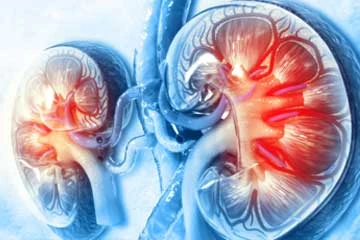

Nephrotic Syndrome is a kidney disorder characterized by the leakage of large amounts of protein into the urine, leading to swelling, high cholesterol levels, and increased susceptibility to infections. Conventional medical treatments for Nephrotic Syndrome often include medications and, in severe cases, dialysis or kidney transplant. However, an ancient system of medicine known as Ayurveda offers a holistic approach to healing that has shown promise in managing and potentially even reversing the symptoms of this condition. In this blog, we will delve into the healing power of Ayurveda and how it can be utilized to improve the quality of life for those suffering from Nephrotic Syndrome.
Understanding Nephrotic Syndrome
Before we explore Ayurveda's potential in treating Nephrotic Syndrome, let's first understand the basics of the condition. Nephrotic Syndrome primarily affects the glomeruli, tiny filtering units within the kidneys. When these glomeruli become damaged or inflamed, they allow excessive amounts of protein to leak into the urine, leading to the hallmark symptoms of the syndrome:
Swelling: Nephrotic Syndrome often presents with edema, or swelling, particularly in the legs, ankles, and face. This occurs due to the retention of fluid in the body.
High Cholesterol: The condition can cause an increase in cholesterol levels in the blood, which can contribute to cardiovascular problems.
Proteinuria: Proteinuria is the excessive excretion of protein in the urine, which can lead to malnutrition and other health issues.
Increased Susceptibility to Infections: Nephrotic Syndrome can weaken the immune system, making individuals more susceptible to infections.
Ayurveda: A Holistic Approach to Healing
Ayurveda, an ancient system of medicine that originated in India over 5,000 years ago, views health as a balance between mind, body, and spirit. It emphasizes the importance of personalized care, taking into account an individual's unique constitution or "dosha" (Vata, Pitta, or Kapha) and their current state of imbalance.
In the context of Nephrotic Syndrome, Ayurveda offers a holistic approach that focuses on:
Diet and Nutrition: Ayurvedic dietary principles are tailored to the individual's dosha and the imbalances present in their body. In the case of Nephrotic Syndrome, reducing the intake of salt, processed foods, and excessive protein can be beneficial.
Herbal Remedies: Ayurvedic herbs like Punarnava, Gokshura, and Chandraprabha Vati are known for their diuretic and kidney-supporting properties. These herbs can help reduce edema and promote kidney health.
Panchakarma: Panchakarma is a detoxification therapy in Ayurveda that can be customized to address kidney-related issues. It includes procedures like Basti (enema therapy) and Virechana (purging therapy) to eliminate toxins from the body.
Lifestyle Modifications: Ayurveda places great importance on maintaining a balanced daily routine, including adequate rest, stress management, and physical activity, all of which can be tailored to the individual's dosha and health condition.
Yoga and Meditation: Regular practice of yoga and meditation can help reduce stress, improve circulation, and enhance overall well-being, which is essential for managing Nephrotic Syndrome.
It's important to note that Nephrotic Syndrome Ayurvedic treatments should be undertaken under the guidance of a qualified Ayurvedic practitioner who can create a personalized treatment plan based on the individual's unique constitution and specific health needs.
Conclusion
Nephrotic Syndrome can be a challenging condition to manage, but Ayurveda offers a holistic and personalized approach to healing that can complement conventional medical treatments. By addressing the root causes of the condition and promoting overall well-being, Ayurveda has the potential to improve the quality of life for individuals suffering from Nephrotic Syndrome. However, it's essential to consult with both Ayurvedic and conventional medical professionals to ensure a well-rounded and safe treatment plan. Always remember that Karma Ayurveda is a complementary approach and should not replace standard medical care.



























Sign in to leave a comment.